Start with the problem at your house
Start with the symptom, not the season. If the heat is out tonight, start with the 2 a.m. breakdown guide: safety first, then protecting pipes while the house cools, then setting up one warm room through the night. If the furnace keeps failing on the coldest nights, the coldest-nights guide explains why weak parts give out when the temperature drops lowest, so a single failure starts looking like a pattern worth fixing.
If you are planning ahead, October is the month to use. The first-freeze checklist walks through the checks in the order you would run them, and the October tune-up guide shows what a fall visit checks, so you know what to expect and what to ask about. An older Fox Cities home heats differently from a new build: the paper-mill-era homes guide covers layered heating systems, old ducts, and uneven rooms, and the sizing guide compares an old bungalow with a new build, room by room.
Fuel and air change the advice too. A rural propane home needs a storm plan, not just a full tank, and the propane storm-planning guide covers delivery timing, tank checks, and storm-week furnace care. A sealed winter home needs a different kind of attention, and the carbon monoxide safety guide covers detectors, venting, and safe sealing habits. Dry winter air has its own answers in the whole-home humidifier guide. Pick the question that matches the problem at your house today, and read in season order from the first frost in early October to the last cold snap in March.
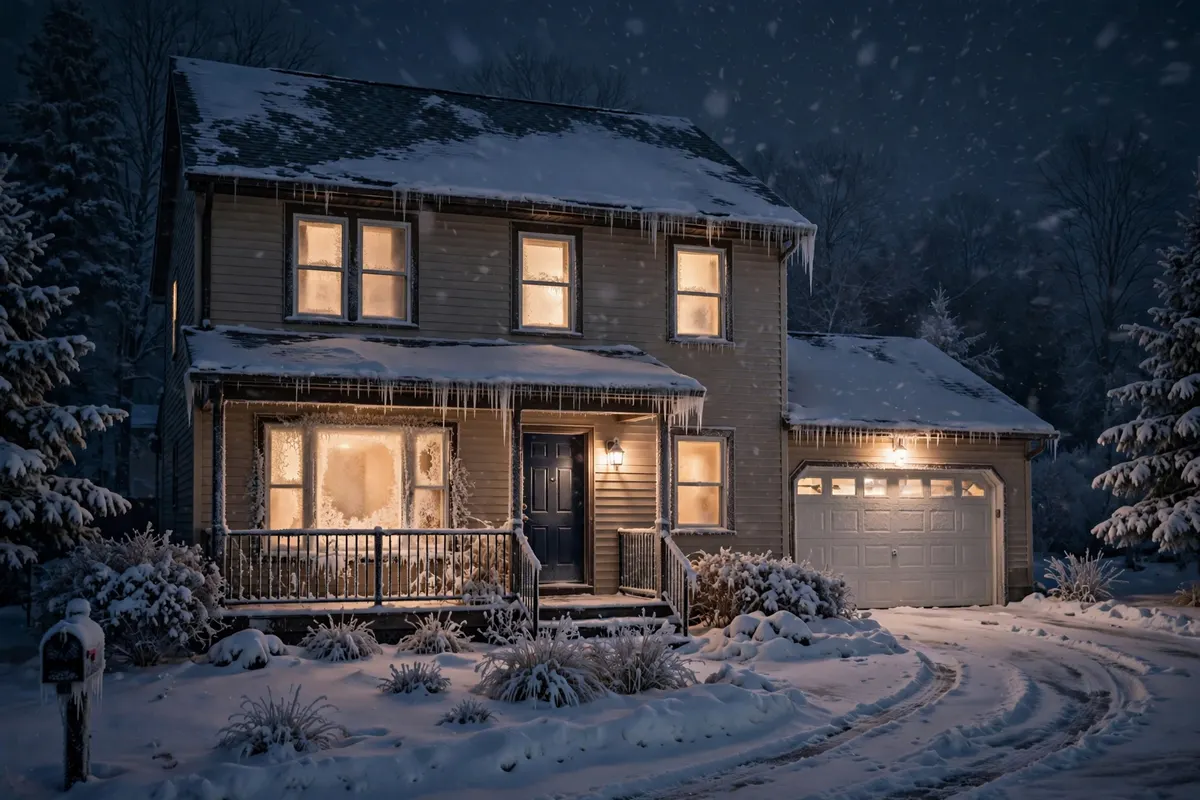
When a Furnace Fails on the Coldest January Nights
Why the coldest nights expose weak ignitors, tired motors, and blocked vents, and what to check first.
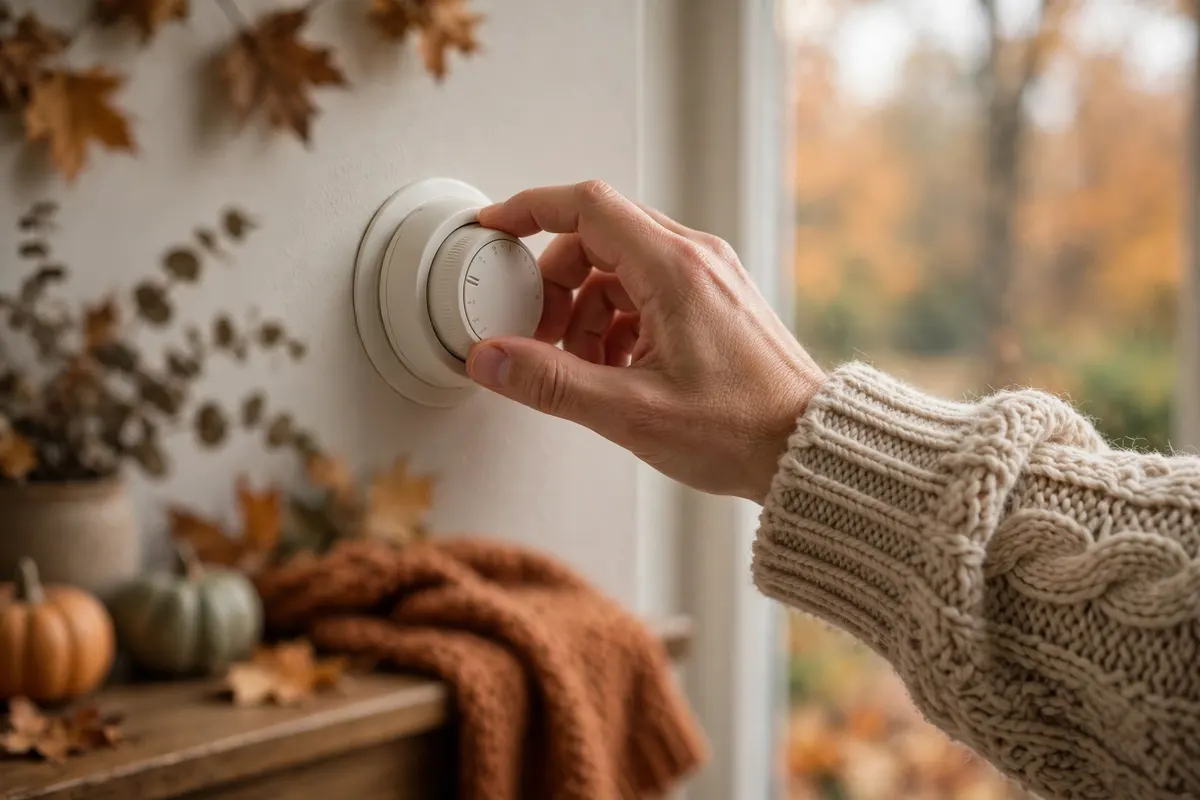
First Freeze in October: A Furnace Checklist
The checks that belong on the list before the first hard freeze, from filters to vents to thermostat settings.
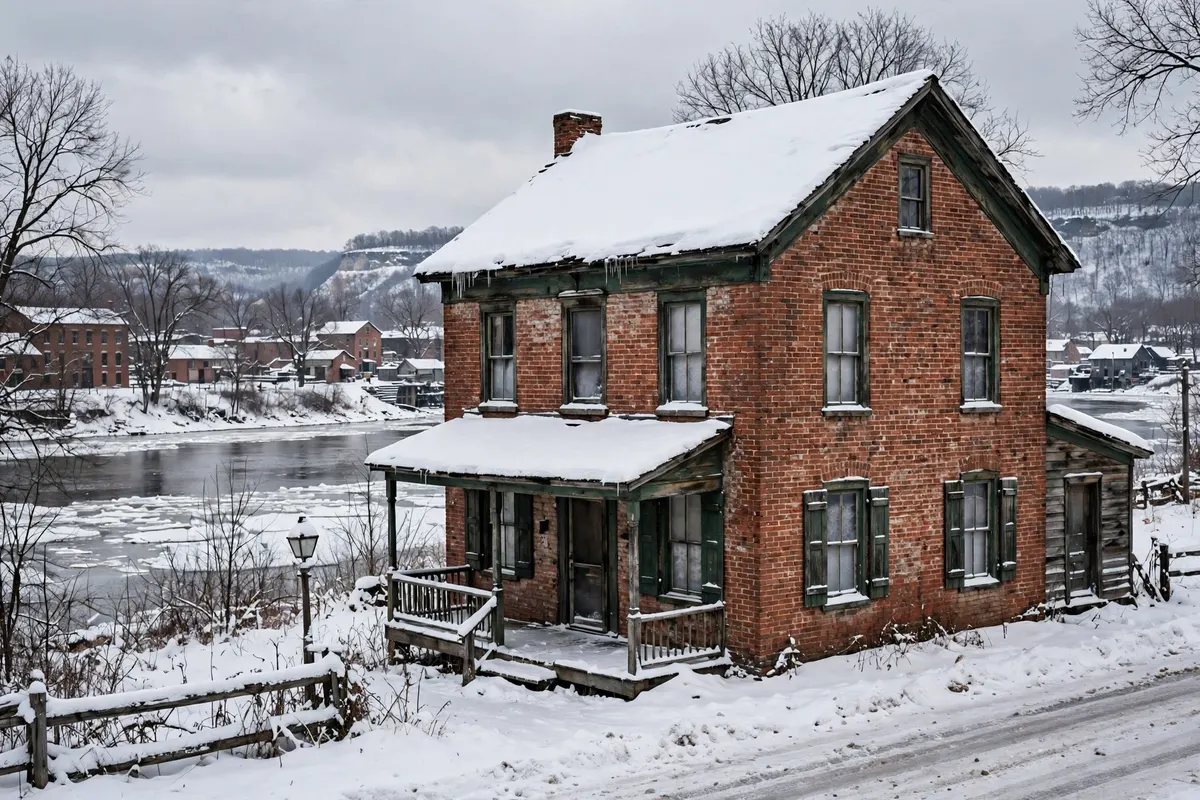
Heating a Paper Mill Era Fox Cities Home
Older river town homes heat differently, with small rooms, old duct runs, and furnaces added over decades.
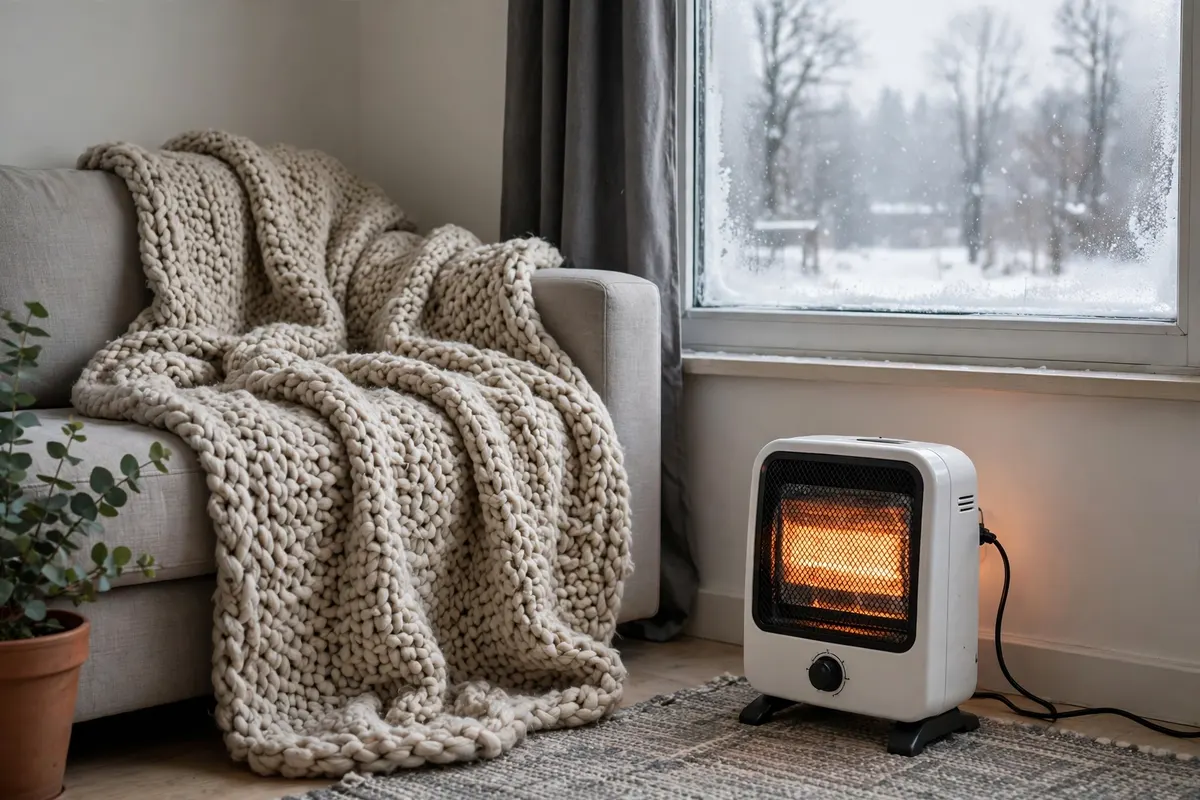
Furnaces and Space Heaters During a Cold Snap
When a portable heater helps, when it hides a furnace problem, and why a cold room deserves a closer look.
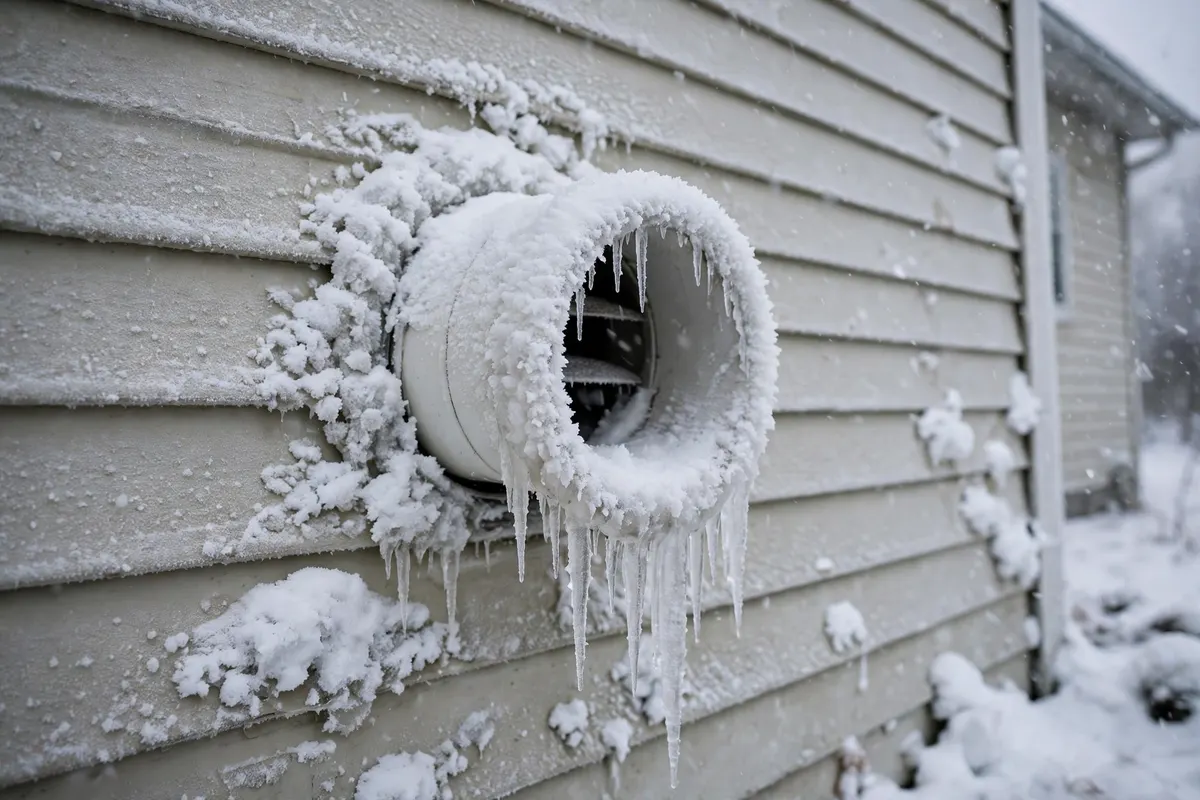
Gas Furnace Intake and Exhaust Freeze-Ups
How ice on intake and exhaust pipes shuts a gas furnace down, and how to spot the blockage safely.
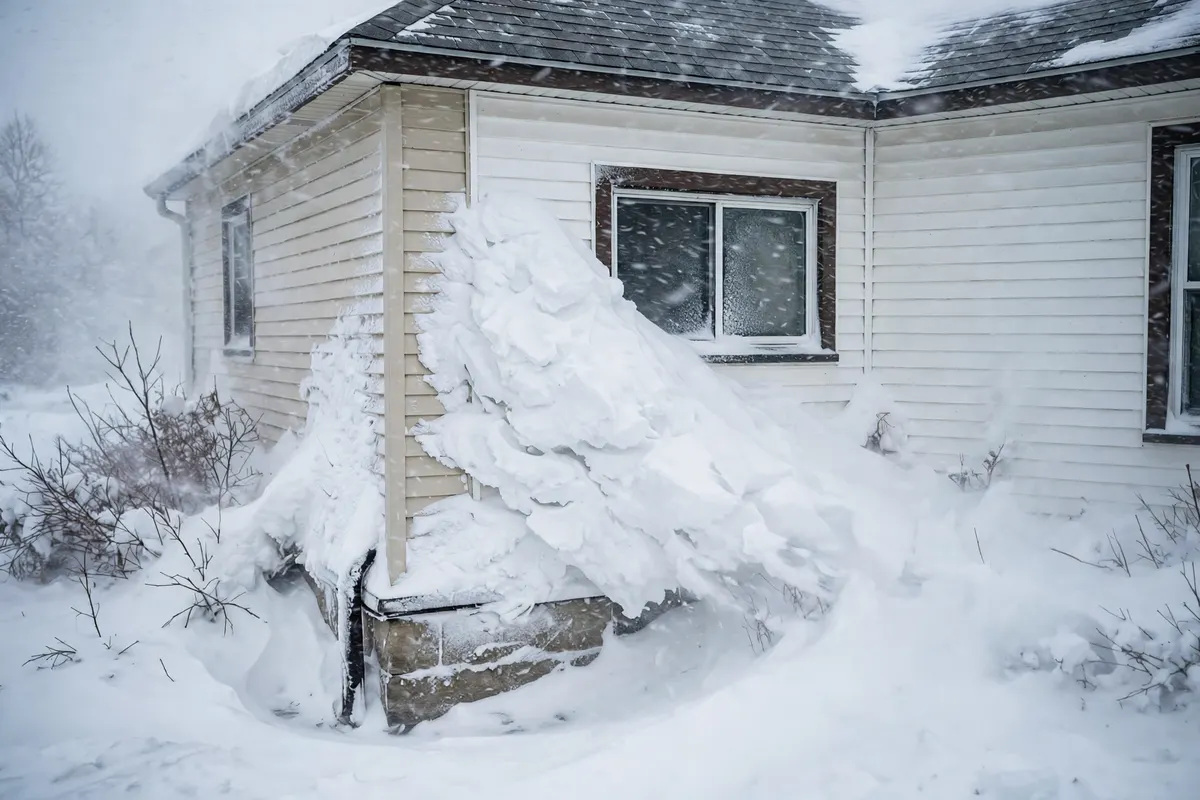
November to March: Snow Season Strain on a Furnace
A season-long view of snow, cold snaps, and the wear they put on burners, blowers, and vents.
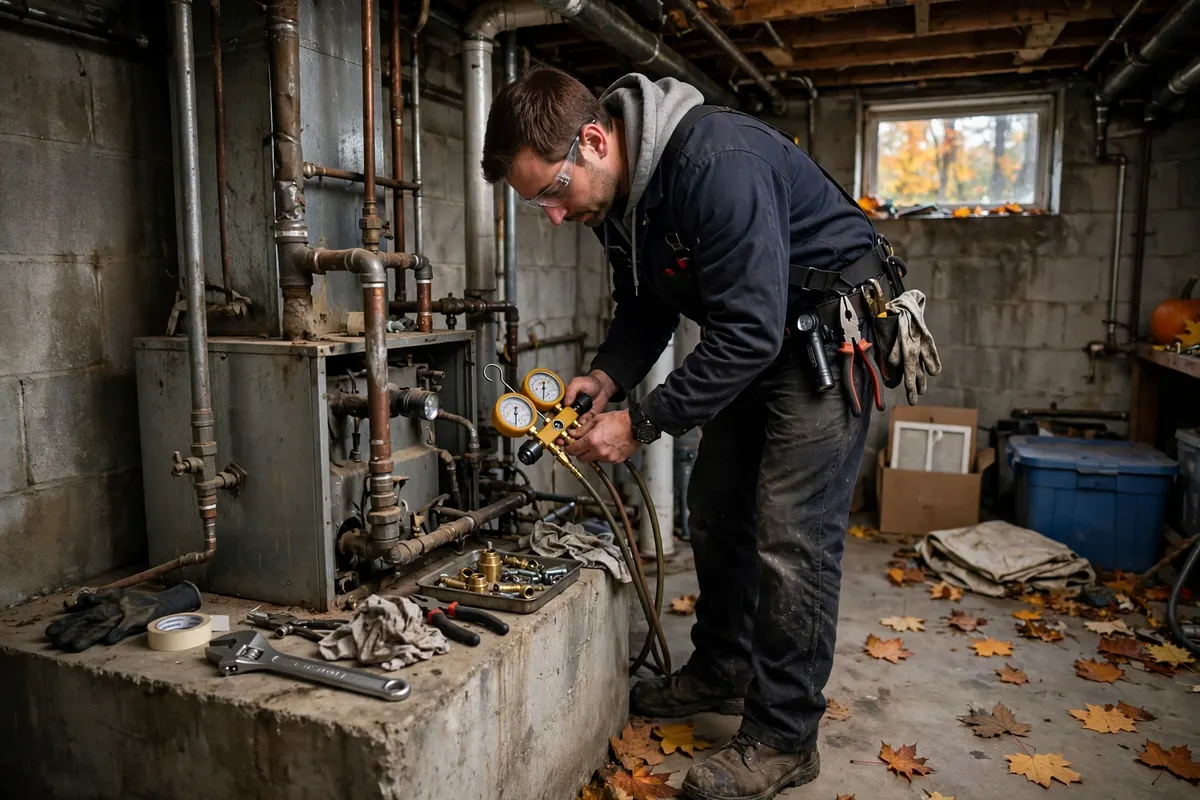
An October Tune-Up: What It Checks
Ignition, burners, airflow, filters, safety controls, and venting, in the order a technician works through them.
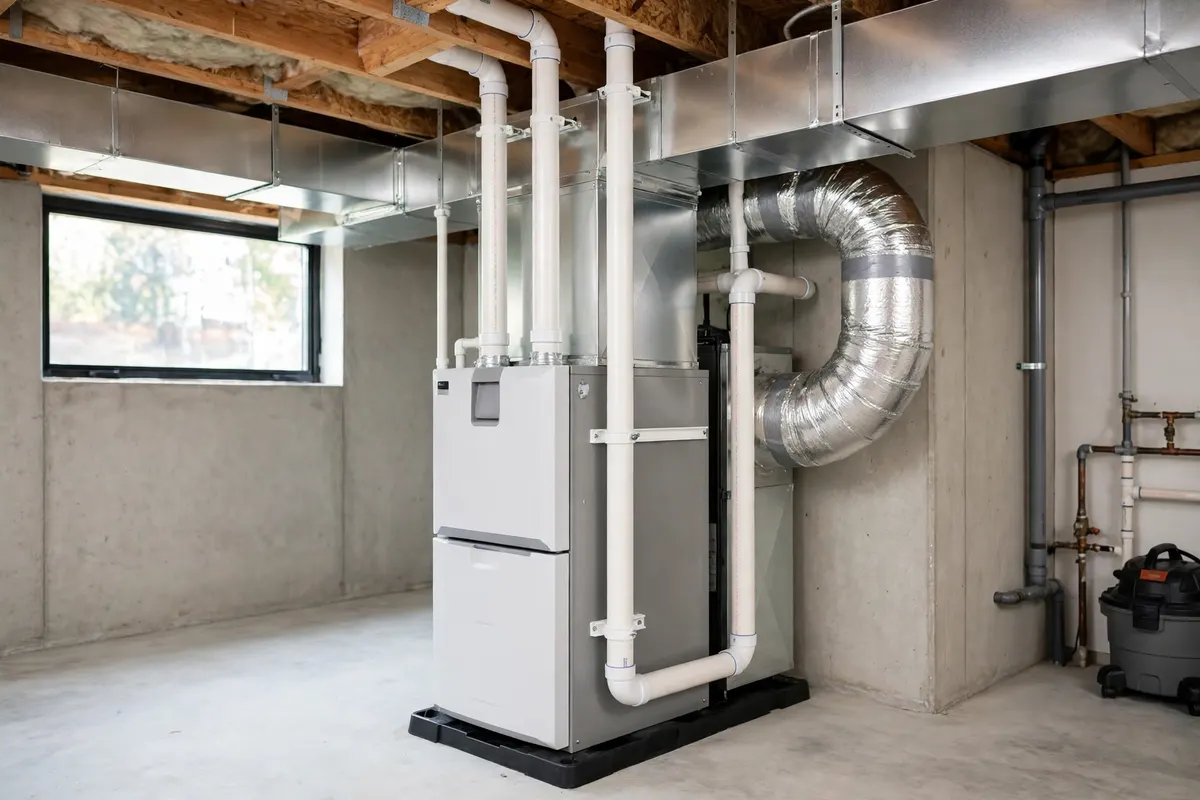
Two-Stage and Single-Stage Furnaces in Wisconsin
How the two designs differ in real Wisconsin winters, and which homes suit each one.
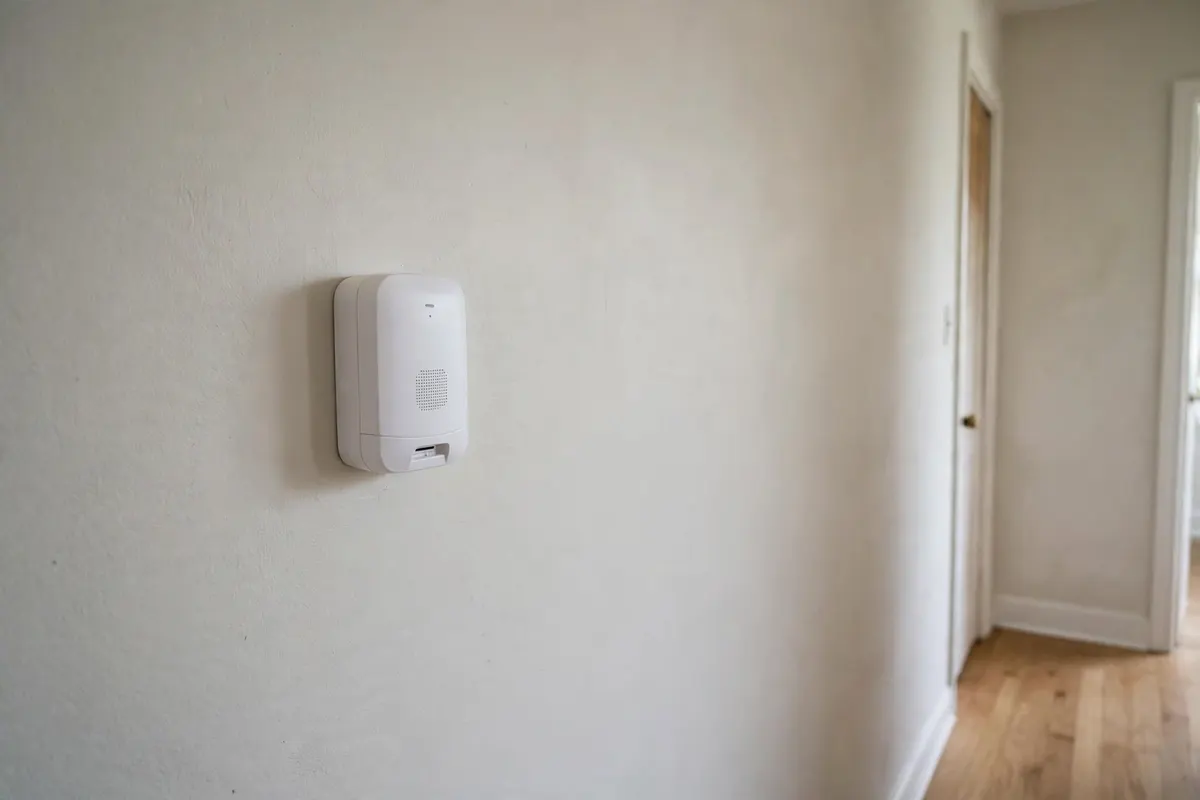
A Sealed Winter Home and Carbon Monoxide Safety
Why a tightly sealed home needs working alarms, clear vents, and a heat exchanger check before winter.
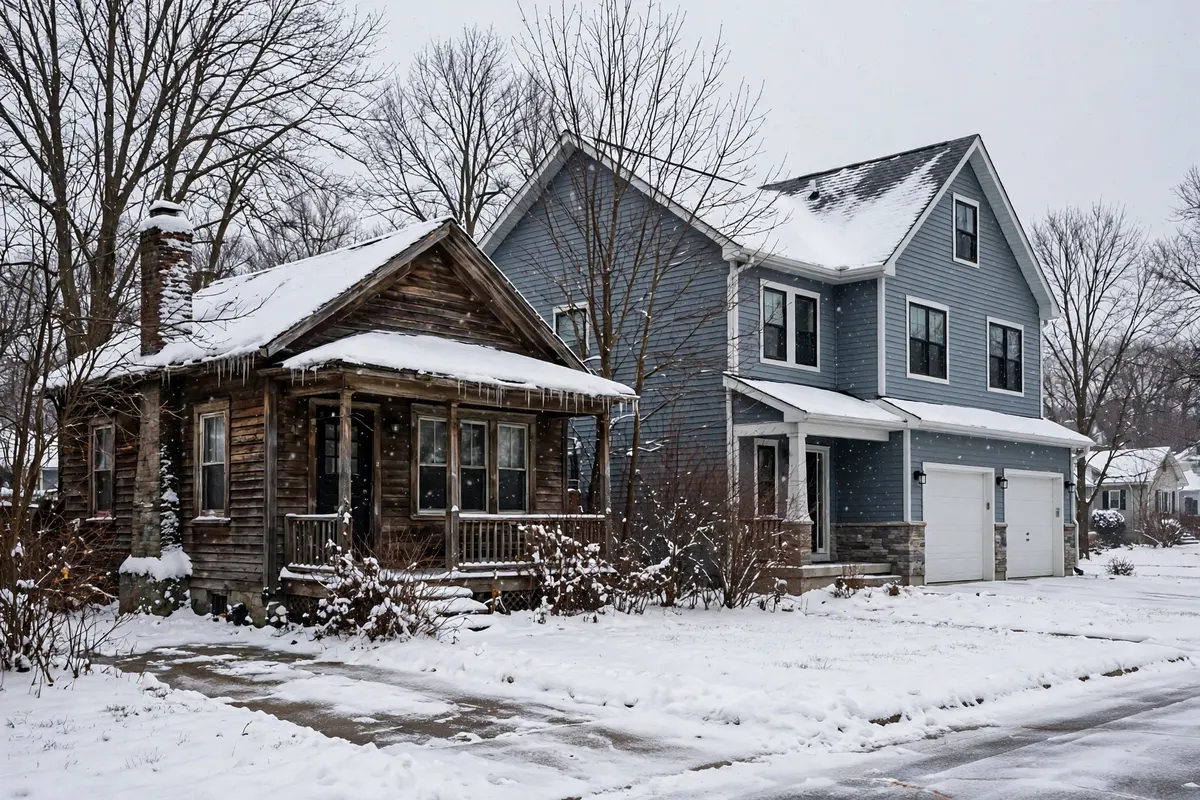
Furnace Sizing: an Old Bungalow and a New Build
Why the right size depends on the house, not the old unit, and what oversizing and undersizing do to comfort.
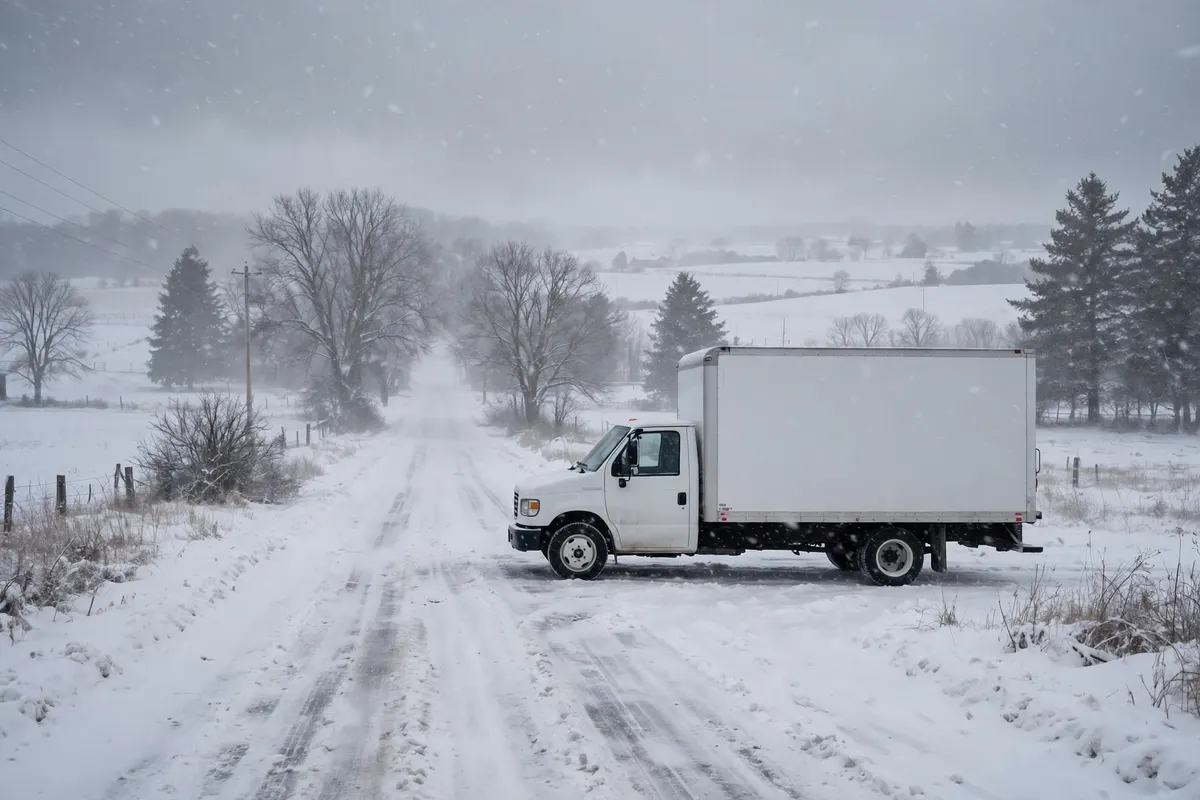
Rural Propane Delivery and Storm Planning
Tank levels, drive access, and storm timing for rural homes that heat with propane.
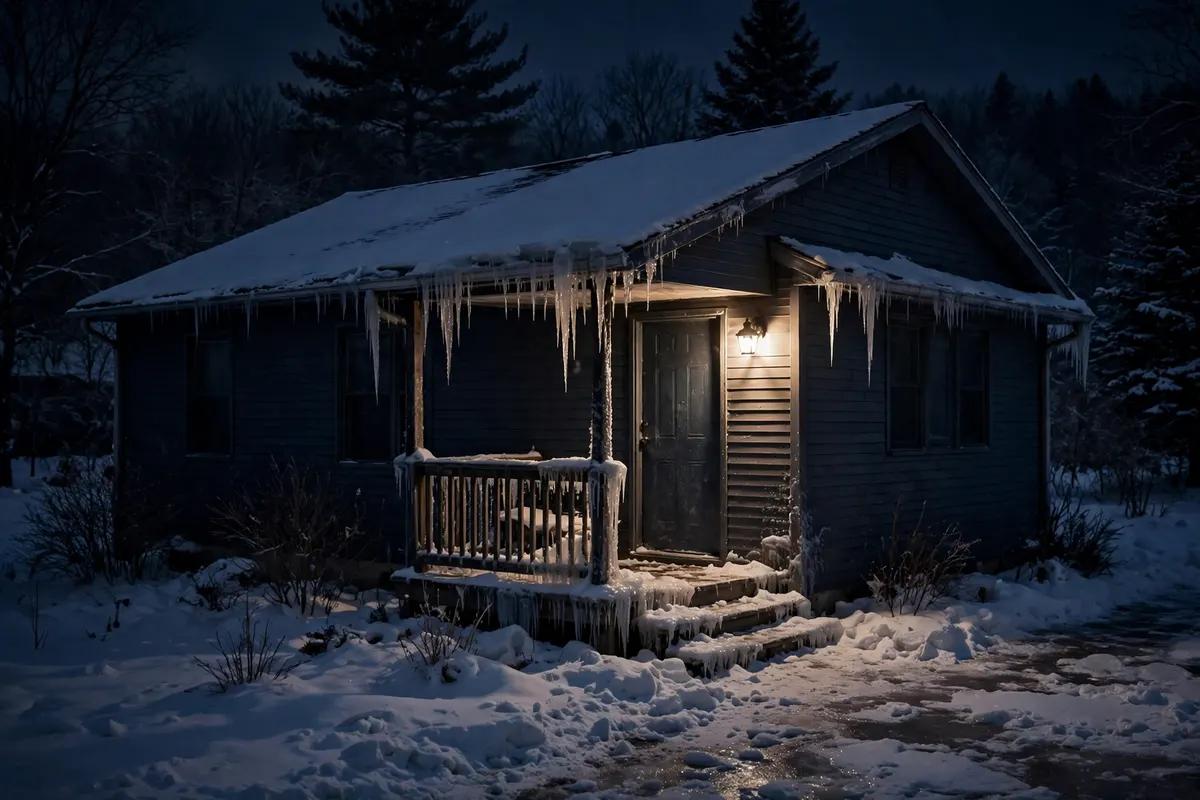
When a Furnace Quits at 2 a.m. in a January Freeze
The calm, in-order checks to run at night, and when to call rather than keep troubleshooting.
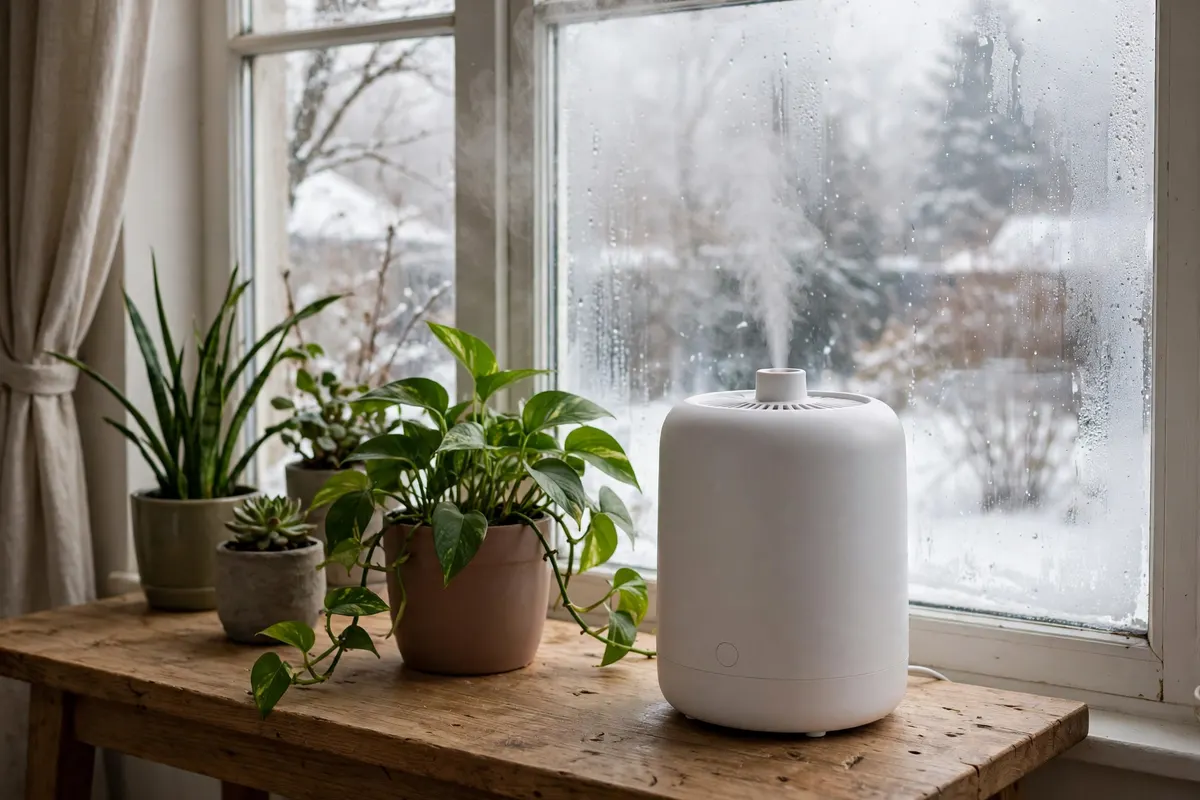
A Whole-Home Humidifier Guide for Winter
Dry winter air, static, and sore throats, and what a whole-home humidifier does differently from a portable one.
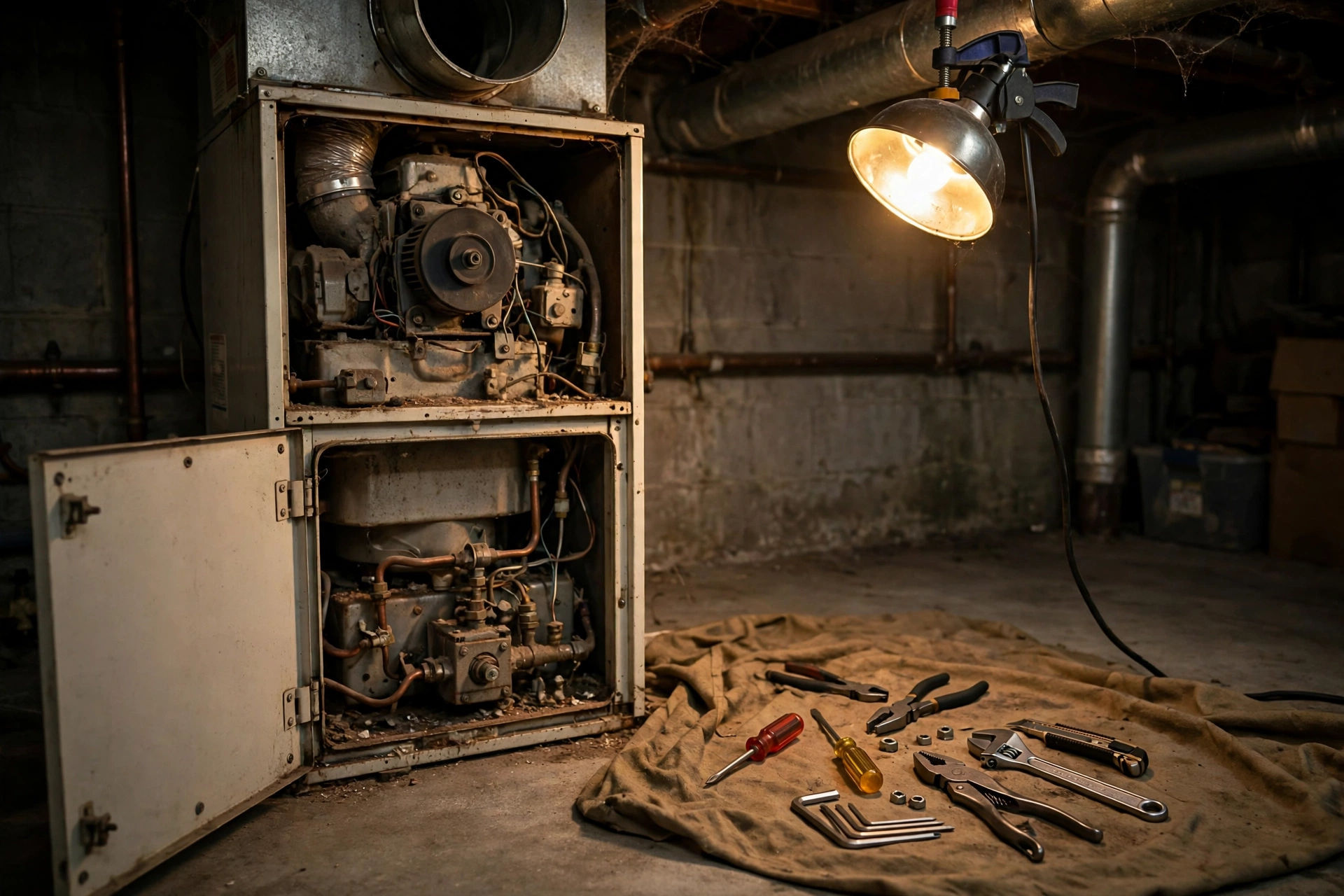
Browse furnace services
If a post pointed to a problem at your house, the service pages explain the visit that fixes it.
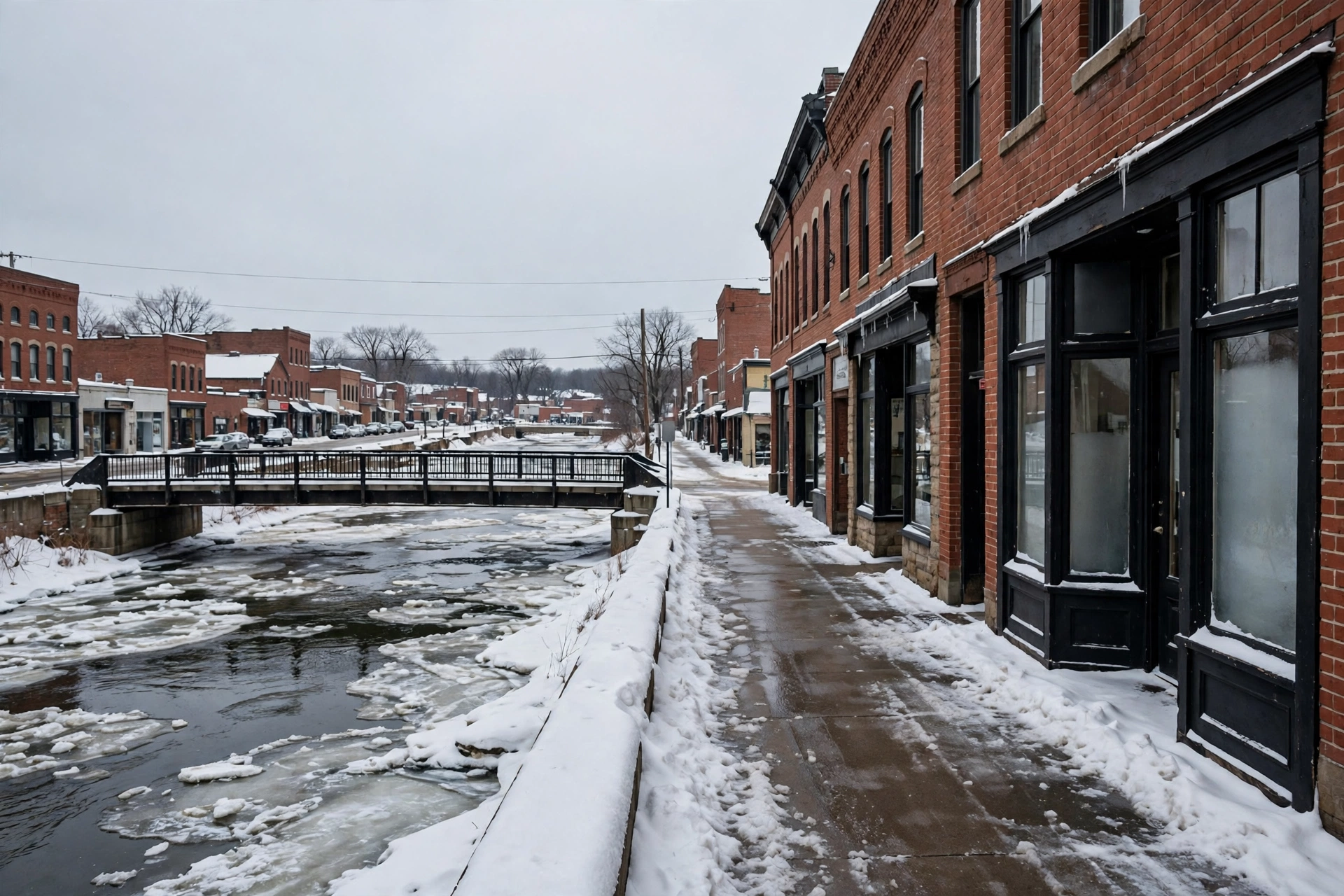
Find your town page
Each Fox Cities town page carries local detail and links back to the services that fit that town.
How to use these posts in a cold week
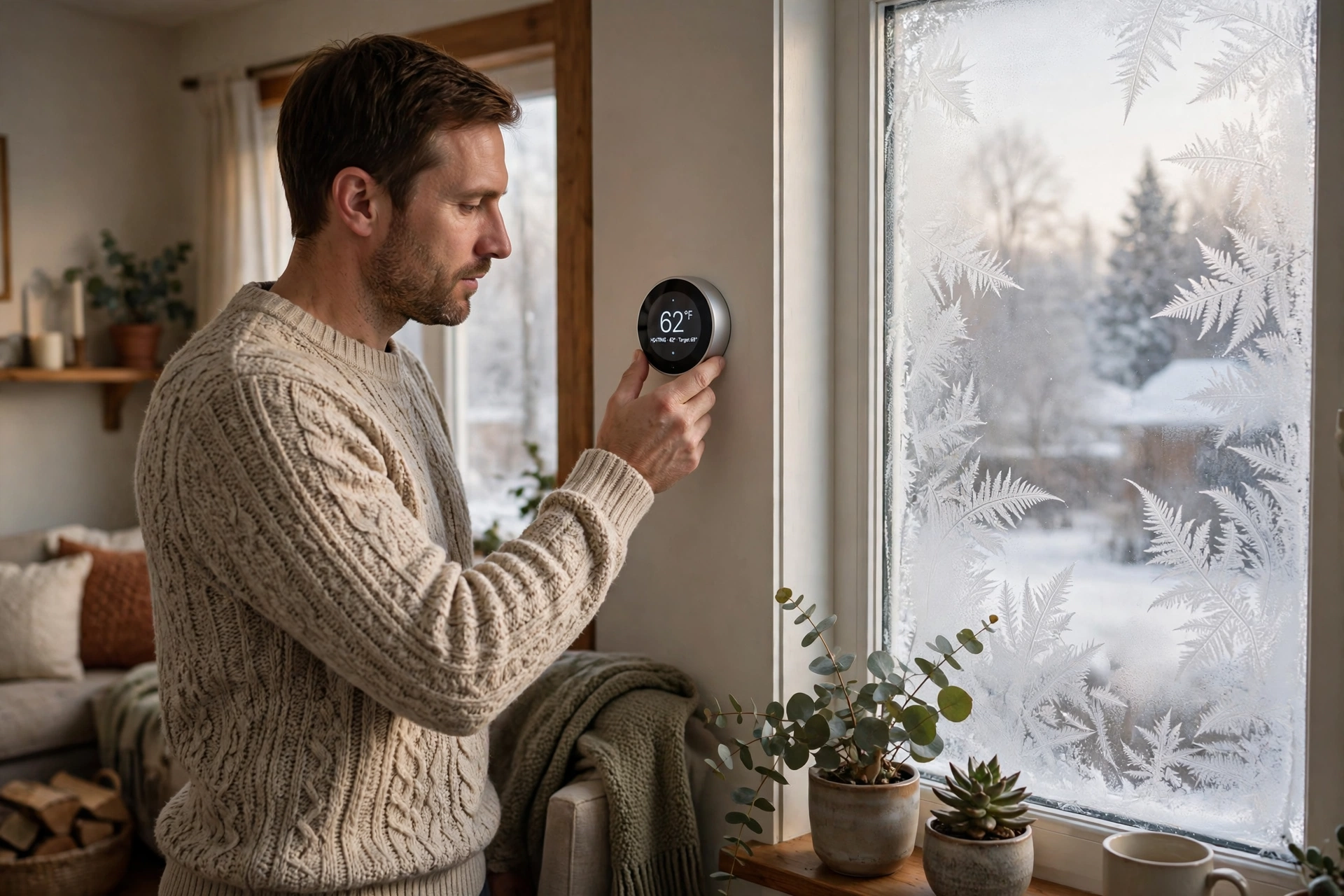
Read a post the way you would use a checklist: find the symptom, note the safe homeowner checks, and leave the inside of the furnace to a technician. A post about a furnace that quits at night, for example, is useful at night precisely because it separates the three safe steps, thermostat, breaker, and filter, from the burner and gas parts that are not homeowner work. The same split runs through every post: what you can check, what you should note, and what to describe on the call so the visit starts from facts.
The posts also reward reading in pairs. An October checklist beside a fall tune-up post shows the same visit from both sides, homeowner and technician, and a cold-night failure post beside a snow-season post shows why a part that survives November can still fail in January. Start with the night outage post if the heat is out now, or with the October checklist if winter is still ahead.
The parts that wear out first
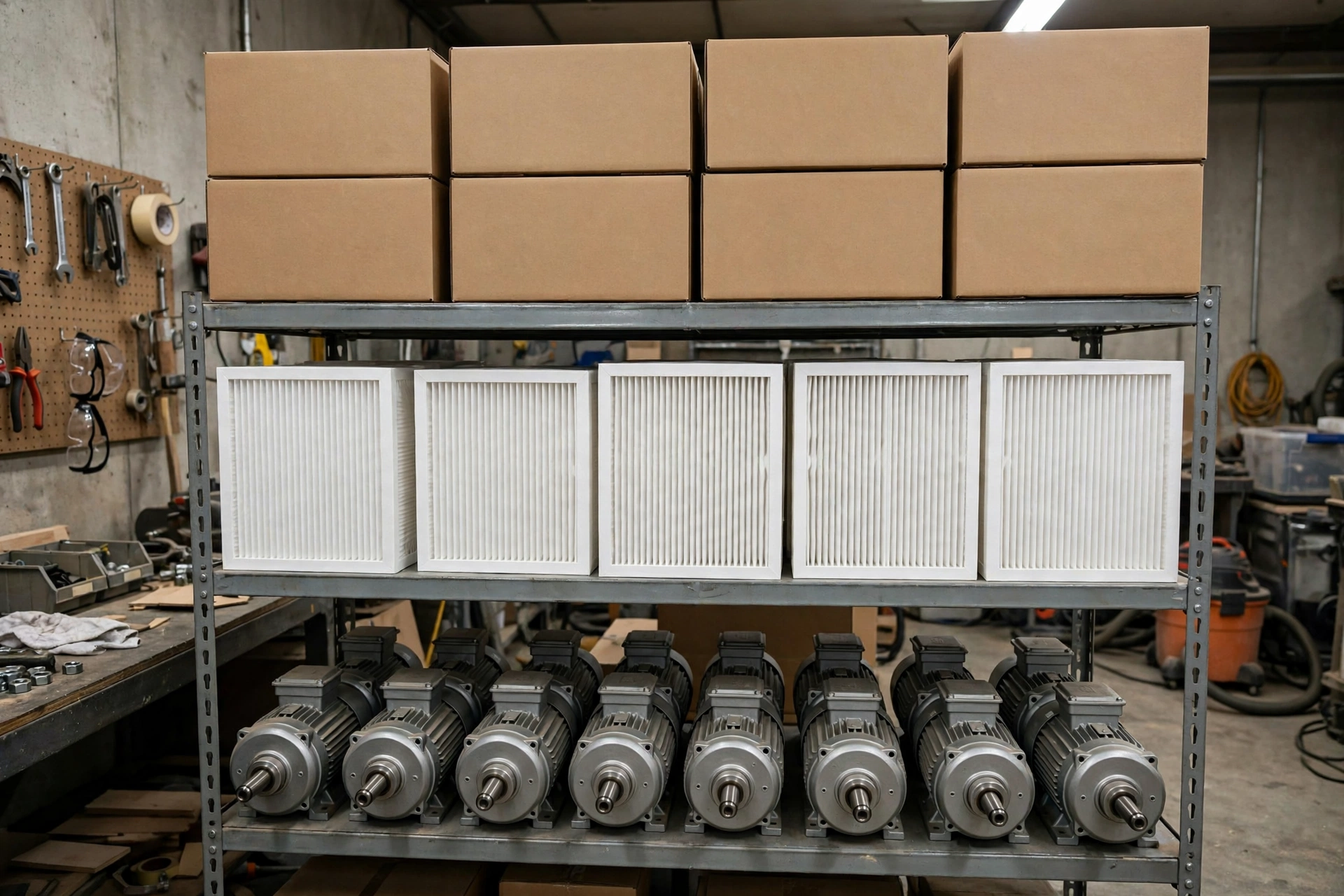
Every furnace in the Fox Cities runs on the same short shelf of parts and materials, in different combinations. Pleated filters of fibreglass media, galvanised sheet metal ducts, copper gas line, PVC vent and condensate pipe, steel heat exchanger surfaces, silicon nitride ignitors, and flame sensors are the parts that actually wear, so they are the parts a visit checks first. A technician judges them with a multimeter, a manometer, a combustion analyser, and an infrared thermometer, and any reading that decides an answer is worth knowing by name.
Each part points to a service. Vent trouble points to gas furnace service, uneven rooms point to ductwork and airflow work, and a dragging blower points to blower motor repair. Knowing the part helps you describe the problem on the call, and that description is the bridge from understanding a problem to booking the visit that fixes it.
From reading to a visit: what to note before you call

Before you call, note four things, and the visit will go faster. First, what changed and when: a new sound, a new smell, a room that went cold. Second, what the furnace is doing now: running, clicking, locked out, or silent. Third, what you have already checked: thermostat setting, filter, breaker, and vent wall. Fourth, the filter size and the furnace manual, if you have them. Those notes turn a vague call into a visit with a starting point, and they are the same notes a technician writes down on arrival.
If the problem is urgent, skip the reading and call: heat out in a January freeze, a carbon monoxide alarm sounding, or a gas smell are call-first problems, and the carbon monoxide safety post explains why an alarm must never be silenced to get through the night. For everything else, the posts below are written to be read in one sitting, in plain words, with the service and town pages one link away.
Reading about a problem you have right now?
A post can help you describe it clearly. A call turns that description into a visit.
Call (920) 523-4330 Contact usPosts that save a cold night
If the heat is out tonight, start with two posts and skip the rest until morning. Our 2 a.m. breakdown post walks through safety first, protecting pipes while the house cools, and setting up one warm room through the night. The coldest-nights post explains why furnaces fail hardest when the temperature drops lowest, so a single failure stops feeling like bad luck and starts looking like a pattern worth fixing.
When to skip the reading and call straight away
Reading can narrow a cause, but only a visit with instruments can confirm one. If you smell gas, see water around the unit, or hear the carbon monoxide alarm, skip the reading and call us straight away. For anything slower and stranger, a maintenance and safety visit turns a guess into a reading from your own furnace, which is the only version worth acting on.
Before that visit, note three things and the visit goes faster: roughly how old the furnace is, what changed first (a sound, a smell, a room going cold), and whether the problem comes and goes or stays put. Those three details let a technician skip the general questions and start at the likely fault, which is the difference between a quick visit and a long one.
Reading a post when the heat is already out
Most people find these posts in one of two moments: planning ahead in October, or standing in a cold house in January. If the heat is already out, skip to the practical parts first. Check the thermostat setting, the filter, and the breaker, and look at the vent pipe outside for snow or ice. Those four checks are safe for a homeowner and they rule out the most common simple causes.
Stop at gas. If you smell gas, leave the house and call the gas utility or emergency services from outside, and do not restart anything until the leak is found. Everything else in these posts, from ignitor symptoms to sizing advice, can wait until the house is safe.
Fox Cities winters punish furnaces differently
Generic furnace advice tells you to change your filter and call a technician, and both are true. But the winters this valley actually gets demand more: the early October first frost, the long November-to-March heating season, the January nights when the temperature drops far enough that weak parts finally give out, and the lake-effect wind that makes a furnace work harder than the thermometer alone suggests.
That is why local detail matters: towns, housing ages, and fuel types change the advice. A propane home outside Greenville does not face the same January as a gas-heated bungalow in Neenah, and advice that ignores that difference is advice that wastes a cold evening.
From post to visit: what to tell us
A post can narrow a problem, but it cannot diagnose one, and the fastest visits start with good detail from the homeowner. The furnace brand and approximate age, the sound it makes or stopped making, whether the failure is constant or comes and goes, and what changed just before it failed, such as a storm, a filter change, or a thermostat swap, all help a technician start at the likely fault instead of the beginning.
Write those details down before calling, even if they seem small. The difference between a quick visit and a long one is often a single observation: the furnace hums but never lights, the blower runs but the air stays cool, or the problem only happens on the coldest nights. Each of those points to a different part, and each saves time.
The boring habits that save the most money
The unglamorous habits are the ones that save real money across a winter. A clean filter keeps airflow up, which keeps the heat exchanger from overheating and the blower from working overtime. A clear vent pipe keeps the pressure switch from tripping on the coldest night, when a call-out is hardest to get. A thermostat set to a steady temperature, rather than swung up and down, keeps the furnace from short-cycling through January.
Those habits do not replace a technician. What they do is keep a sound furnace sound, so the technician's visit, when it comes, is about a genuine fault rather than a preventable one. The most expensive furnace problem in the Fox Valley is rarely a rare part: it is usually a simple cause left alone until it becomes a breakdown, and the boring habits exist to catch those causes early. A filter checked at the start of each month and a vent wall glanced at after every heavy snow are small routines, but together they carry a furnace through the months when a breakdown costs the most.
That is also why a short checklist beats a sales pitch. A checklist gives the homeowner something to do tonight, with the tools already in the house, and a clear line for when to stop and call. If you are unsure whether a symptom is safe to investigate, treat that uncertainty as the answer and call: a cracked exchanger or a gas smell is never a wait-and-see problem.
Frequently asked questions
Real furnace questions from Wisconsin winters: why a furnace fails on the coldest nights, what an October tune-up checks, how a sealed home stays safe, and how propane planning works in a storm. Each post answers one question in full.
Homeowners. The posts explain parts and problems in plain language, with enough detail to help you spot trouble early and talk clearly with a technician. Technical terms get explained where they first appear.
Start with the October checklist and the tune-up post. Both walk through what to check before the heating season, and both point to the service pages when a check turns up a real problem.
No. A post can help you describe a symptom and understand the likely cause, but a furnace needs hands-on testing to confirm a failed part. Use the posts to prepare for the call, not to skip it.
Posts arrive as new questions come up from real visits and real winters. The list below carries thirteen posts to start, covering the coldest nights, the shoulder seasons, and the rural propane questions we hear most.
Yes, call or email with the question and we will consider it for a future post. Questions that come from actual homes in the Fox Cities make the best posts, because the answers stay grounded in real houses.
Keep reading, or call with the question
The posts stay here for reference, and the phone line stays open for the problems that need a visit.
Call (920) 523-4330 Send an emailLast updated: October 31, 2026