Propane Furnace Services
Propane furnace care: fuel supply checks, regulator and burner checks, and cold-weather reliability.
Furnace Repair · Appleton, Wisconsin
Call (920) 523-4330Greenville is a growing town on Appleton's northwest edge, and it holds two kinds of homes side by side: rural-edge properties with acreage and propane heat, and newer subdivisions close to the airport and the town's commercial areas. Appleton International Airport itself sits in Greenville, which makes the town familiar to travelers even before they visit.
Call (920) 523-4330 See our services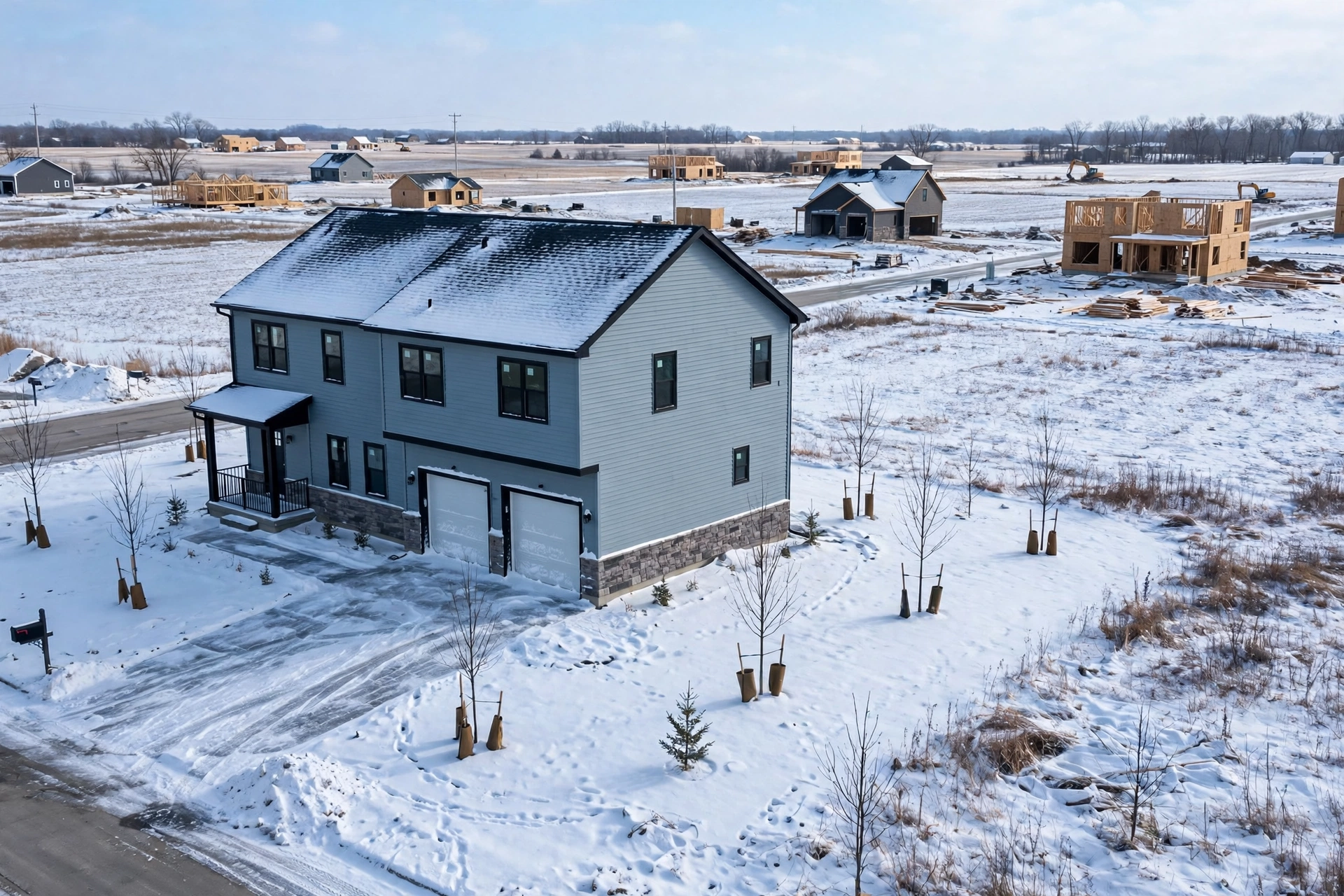
We repair furnaces throughout Greenville, including propane furnaces that rural homes depend on and gas furnaces in newer subdivisions. A propane home and a gas subdivision home can share a no-heat complaint and need very different first checks, so tell us your fuel type when you call and we will start from the right place.
Greenville winters bring long cold stretches and snow that drifts across open rural lots, where wind has little to stop it. Open lots make vent frost and snow burial more likely for condensing furnaces, and they make propane tank access harder after a storm if the path is not cleared.
A practical winter habit for Greenville homes is checking outdoor vents after every snowstorm and watching propane levels before forecast storms. Those two habits prevent a large share of winter no-heat calls in town, and they cost nothing but a few minutes outside.
| Greenville winter habit | What it prevents | When to do it |
|---|---|---|
| Clear outdoor vents after snow | Furnace lockout from buried vents | After every snowstorm |
| Watch propane tank levels | Running out of fuel in a cold stretch | Before forecast storms |
| Fall tune-up | Weak igniter or sensor failing in January | October, before hard cold |
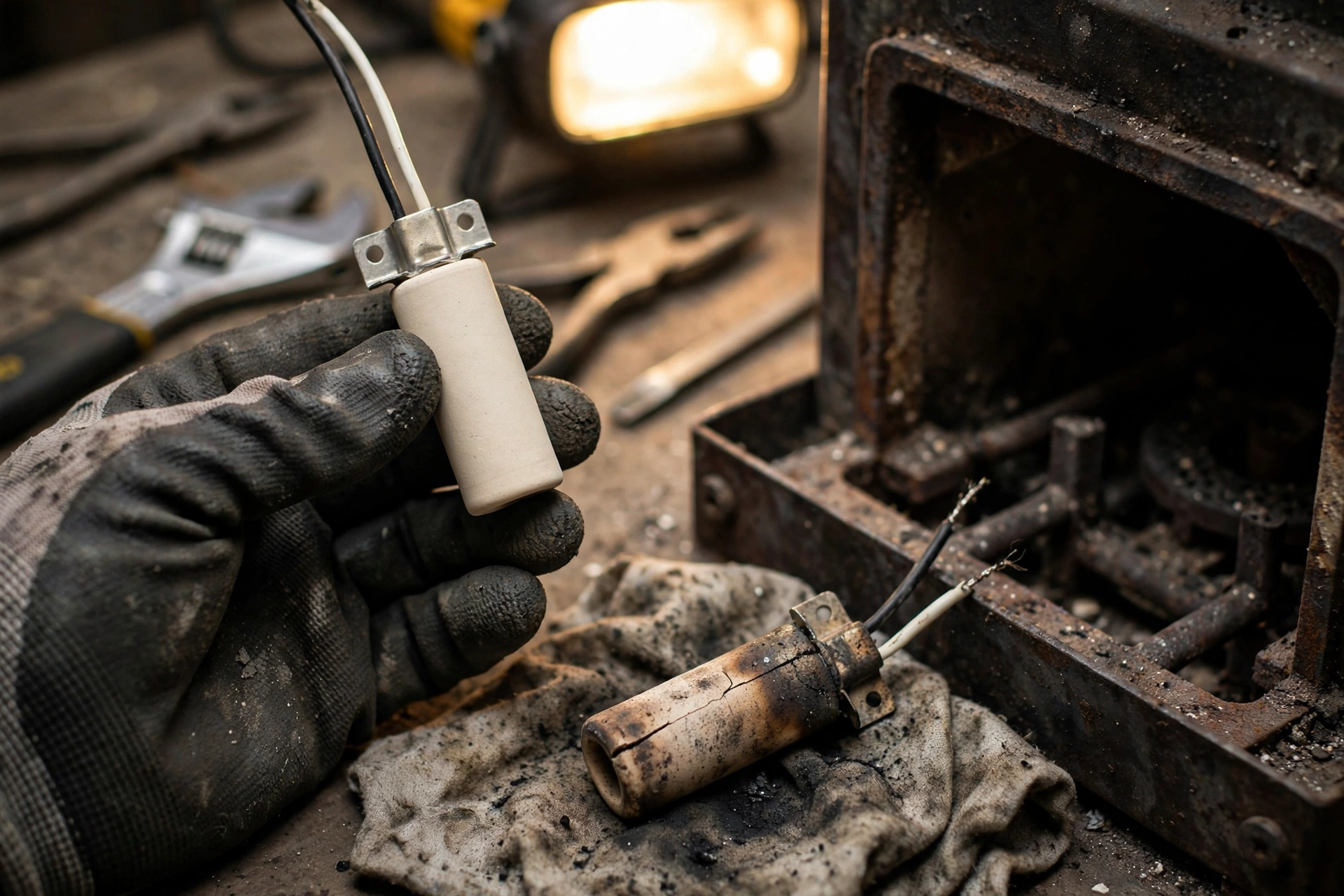
The hot-surface igniter is the part January exposes first: a hairline crack that copes in November quits at ten degrees. Comparing the cracked ceramic against a new one, then testing ignition with a multimeter, is how our gas furnace diagnosis avoids repeat no-heat calls.
Greenville calls fall into propane-specific trouble, gas furnace trouble in subdivisions, and uneven-room trouble in larger homes. The pages below explain each kind of job.
Propane furnace care: fuel supply checks, regulator and burner checks, and cold-weather reliability.
Gas furnace diagnosis for ignition, flame sensing, and venting lockouts in Greenville subdivisions.
Duct balance for larger newer homes where far rooms stay cold despite a working furnace.
Appleton International Airport is Greenville's best-known landmark and the region's air gateway, serving travelers from across the Fox Valley. Greenville Lions Park and the town's trails give residents gathering places close to home. For hospital directions, ThedaCare Regional Medical Center in Appleton sits a short drive southeast, and St. Elizabeth Hospital serves the wider area.
Airport proximity shapes Greenville housing in a practical way: homes near flight paths and commercial areas tend to be newer, with modern insulation and ductwork, while rural-edge homes vary more in age and construction. That spread is why a fuel-type question leads every Greenville call.
The region's airport, located in Greenville and familiar to travelers across the Fox Valley.
A town park that anchors community life near many Greenville homes.
Shops and services along Greenville's main routes, close to newer subdivisions.
Growth-area homes use PVC venting, vinyl condensate tubing, and foil-taped galvanized steel ducts, and we carry a combustion analyzer, a manometer, and a multimeter to test flame, pressure, and electrical parts in one visit. Gas piping and venting follow the furnace manufacturer's instructions and local building code, and propane homes get a tank-level and regulator check in the same visit.
Our Greenville work covers the town's rural-edge properties, its newer subdivisions, and the neighborhoods near Appleton International Airport and the town's commercial corridors. The town is spread out, so tell us your road or subdivision when you call and we will plan the visit route well.
Homes on acreage beyond the gas main, many heated by propane furnaces.
Homes near Appleton International Airport and the town's commercial areas.
Larger homes with condensing furnaces and ductwork built for the floor plan.
Greenville ZIP code is 54942. Appleton International Airport, which sits in Greenville, uses its own mailing details, so give us your home address, not the airport's, when you call.
Greenville heat out, gas or propane? Call Paper City Heating and tell us which fuel your home uses. A clean filter keeps airflow steady through the coldest weeks, so checking it once a month in winter is a habit worth keeping.
Call (920) 523-4330Greenville is growing, and growth changes furnace work year by year. New subdivisions add homes with modern furnaces and ductwork, while rural-edge properties keep their propane setups, so a single service route can include both a brand-new condensing unit and a decades-old propane furnace. Knowing the subdivision or road in advance helps us arrive with the right expectations.
Delivery routes matter for propane homes in a growing town. New subdivisions change road patterns, and a propane delivery or service vehicle needs clear access on roads that may still be under construction at the edges of town. A cleared tank path and a clear driveway help both deliveries and repairs reach a rural-edge home during a storm.
Airport-area growth adds commercial heating to the mix: offices and services near the airport run heating equipment for longer hours than homes, with thermostats set for business hours rather than family life. Those buildings need the same ignition and airflow checks as homes, applied to larger equipment.
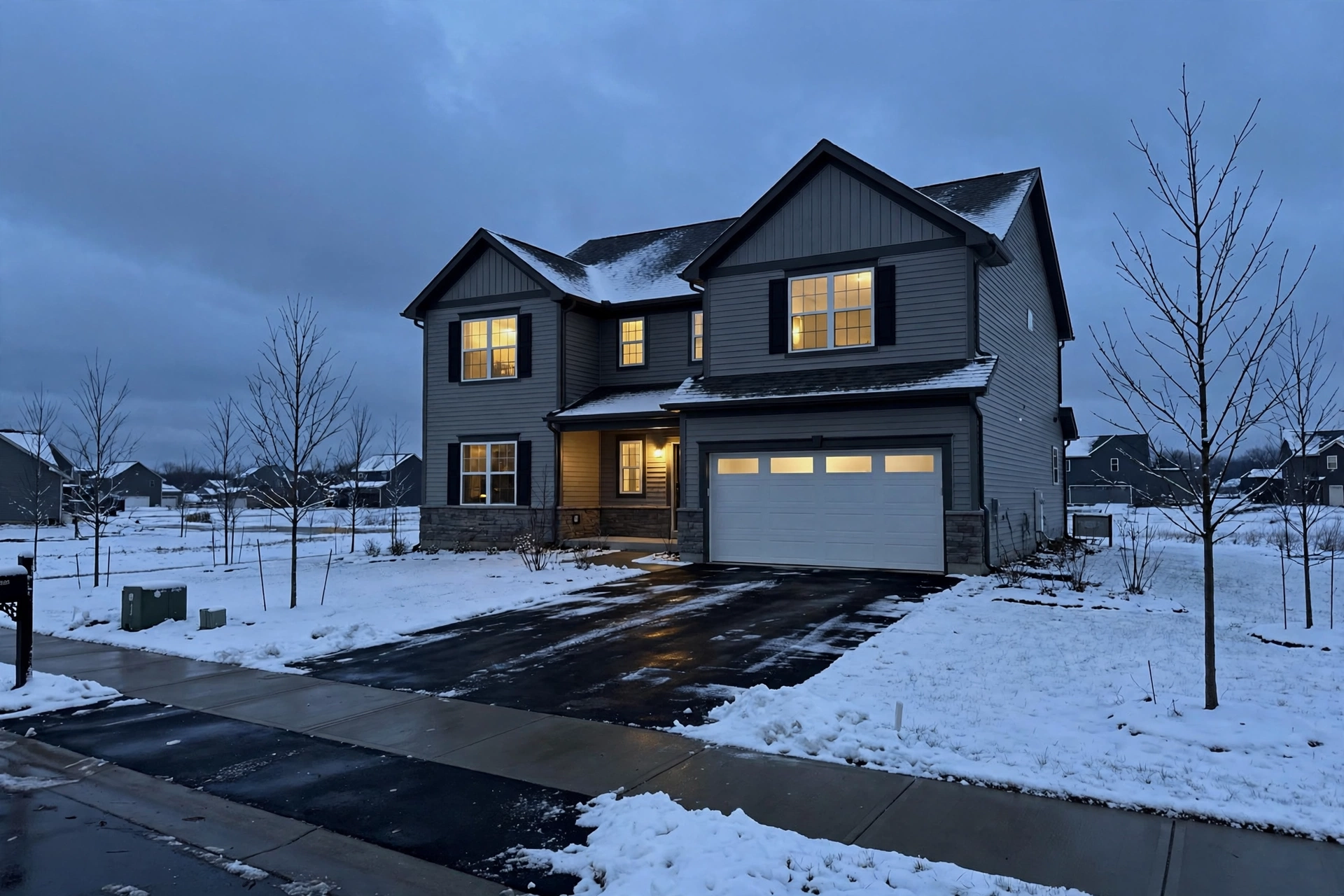
Greenville's newer subdivisions pair high-efficiency furnaces with tight envelopes, so venting and drainage matter more than raw furnace size. When a new home still heats unevenly, our ductwork and airflow check looks at damper positions and register sizing before anyone talks about replacement.
Rural-edge Greenville homes often sit beyond the natural gas main, so propane furnaces heat them through winter. Propane work adds checks that gas homes never need: tank level and regulator condition, fuel line condition, and burner adjustment for propane's different burn character. A propane furnace that runs out of fuel or loses pressure behaves like a failed furnace, so we confirm fuel supply before testing parts.
Newer subdivisions near the airport and town commercial areas more often run natural gas condensing furnaces with outdoor venting. Those units face the usual Fox Valley winter weak points: frosted intake pipes and frozen condensate drains during hard cold snaps. The two housing types need different first checks, and naming your fuel type when you call saves a wasted trip.
Greenville growth also means many homes are newer, with larger floor plans and ductwork built for the house. Uneven rooms in those homes more often trace to duct balance or a weak blower than to furnace size, and a room-by-room airflow check finds the answer.
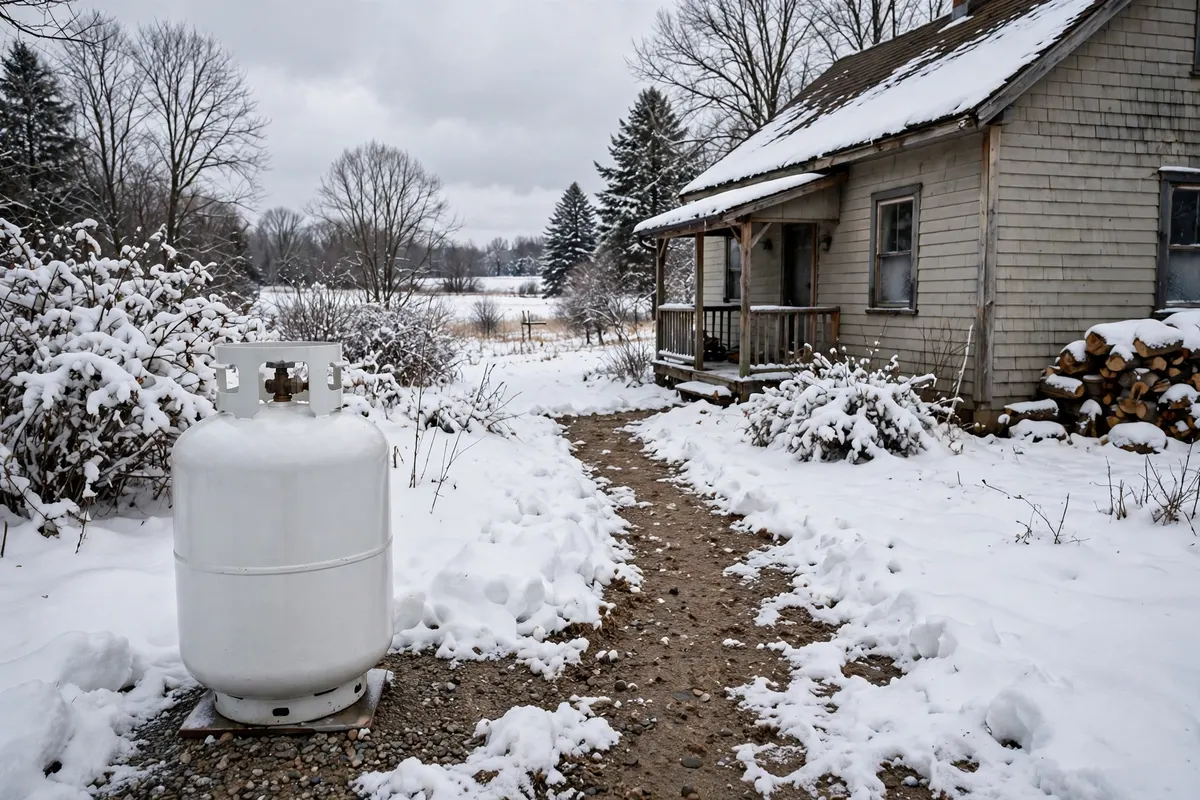
Storm planning matters for propane homes. A winter storm can delay a delivery, so watching tank levels before a forecast storm and keeping the tank access path clear helps a rural home ride out a cold stretch without a fuel emergency.
A fall tune-up catches weak igniters before January does. Our first-freeze October checklist lists the checks in order, and if a unit is past sensible repair, the installation and replacement guide explains sizing for a growing subdivision home. Neighbouring Grand Chute shares the same corridor growth pattern.
Greenville sits just west of Appleton in Outagamie County, and the map below shows the town we serve.
Yes. Propane furnaces are common on Greenville's rural edge, and we check fuel supply, regulator condition, burner adjustment, and ignition controls, since propane work differs from natural gas work in those areas.
A regulator fault, a blocked fuel line, or an ignition problem can all mimic an empty tank. We test fuel delivery and ignition in order, so the real fault gets found instead of guessing at parts.
Not directly. Airport-area homes tend to be newer, with modern insulation and ductwork, so their furnace problems look more like venting and airflow trouble than age-related wear. The furnace itself works the same way.
Larger floor plans strain duct balance. A long duct run loses air along the way, and a weak blower cannot push enough air to the far end. Measuring airflow at each register tells us whether balance, blower, or both need attention.
Yes. A clear path helps deliveries reach the tank during a storm and lets a technician check the regulator and lines safely. Snow piled against the tank can also hide a problem until it becomes a failure.
Yes, we cover rural-edge properties across Greenville. Tell us your road and nearest cross street when you call, since rural addresses can be harder to locate than subdivision addresses.
Call us and name your fuel type. That one detail points us to the right first check.
Call (920) 523-4330From rural-edge propane homes to airport-area subdivisions, Greenville furnaces face open wind and long cold. Call Paper City Heating for help matched to your fuel and your home.
Call (920) 523-4330 Contact usLast updated: October 31, 2026