How to use this list
A furnace problem usually announces itself in one of a few ways. Heat stops altogether, heat turns weak or uneven, the unit makes a new noise, or it cycles on and off without warming the house. Each of those patterns maps to a different part of the system. Ignition parts fail quietly and leave a cold house. A blower motor fails noisily and leaves warm air stuck at the unit. Ductwork fails room by room, so one bedroom stays cold while the living room feels fine. The pages below are organized by part and by job, so the pattern you notice leads you to the right explanation.
Gas furnaces dominate Appleton, since most city homes sit on the gas mains, and the gas page covers burners, ignitors, flame sensors, and venting in detail. Electric furnaces show up in smaller homes and additions, where heating elements and sequencers do the work instead of a flame. Propane furnaces serve the homes past the mains, out toward Greenville, Freedom, and Buchanan, where a tank in the yard and a regulator at the house set the terms of the visit. The comparison on the homepage lays out how the three fuel types differ, and each service page goes deeper on its own type.
Two pages here get called on more than the rest in autumn. The maintenance page covers the yearly check that catches worn parts before January, and the thermostat page covers the controls that decide when the furnace runs and which rooms get heat. If you are unsure where to start, those two pages are a sensible first read. If you already know the failed part, jump straight to its page. Every page ends with links to the services that usually come next, so a repair page can lead to a maintenance page, and a replacement page can lead to a thermostat page, in the order a homeowner actually thinks through the job. The U.S. Department of Energy furnace guide also explains furnace types in general terms for anyone comparing systems.
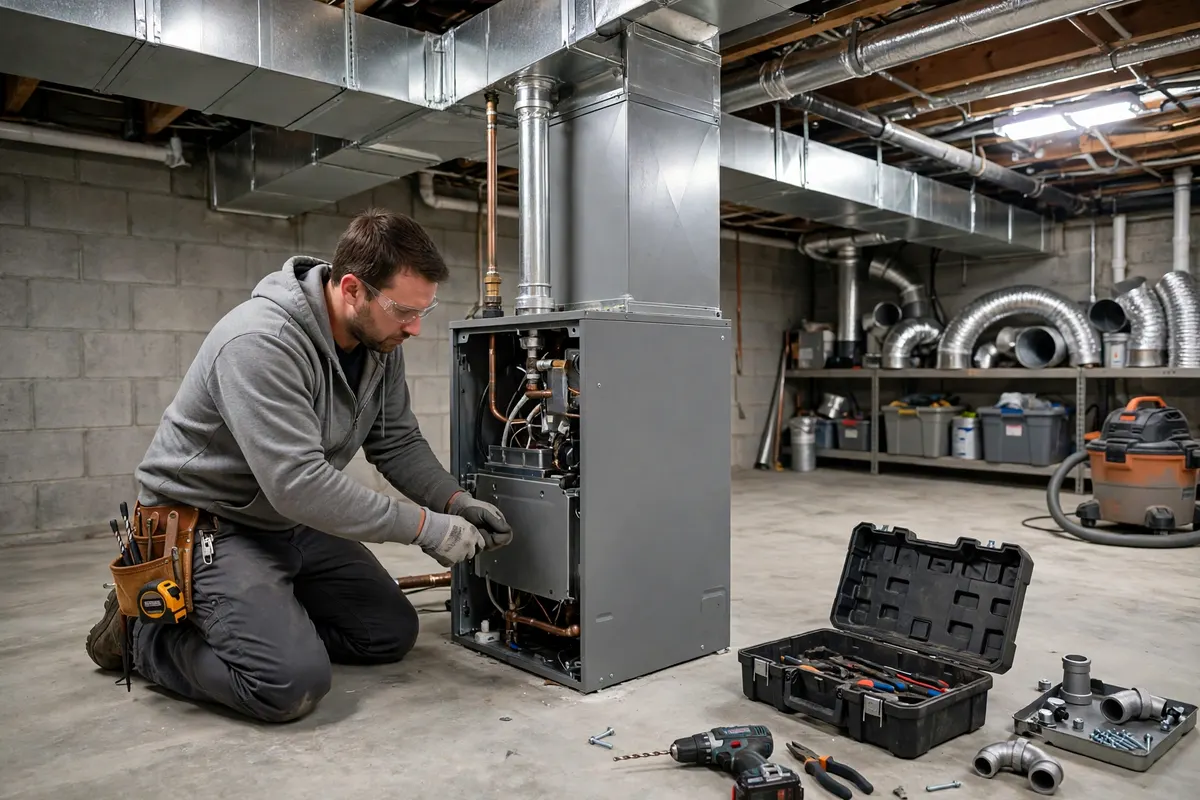
Furnace Installation & Replacement
A new unit, sized to the house, with ductwork, venting, and controls checked as part of the job.
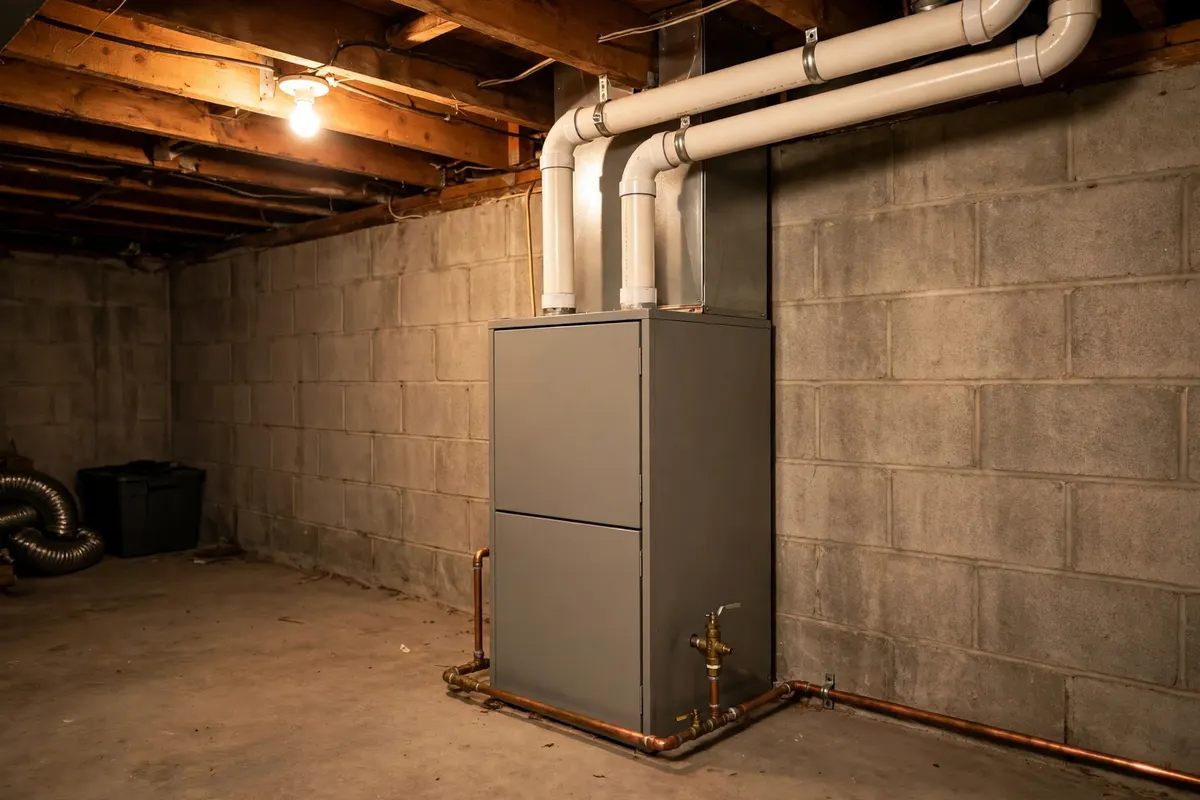
Gas Furnace Services
Burners, ignitors, flame sensors, and gas valves, plus the venting that carries combustion gases outside.
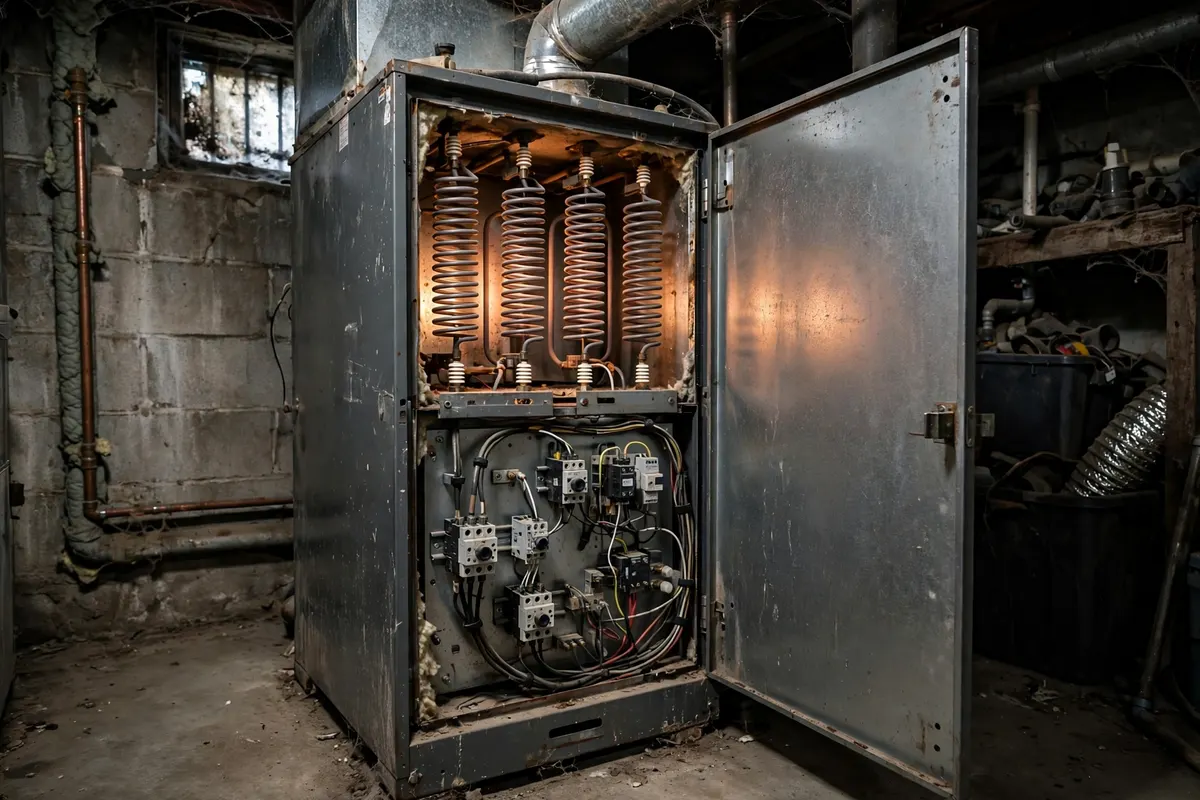
Electric Furnace Services
Heating elements, sequencers, and relays for homes that heat with electricity rather than gas or propane.
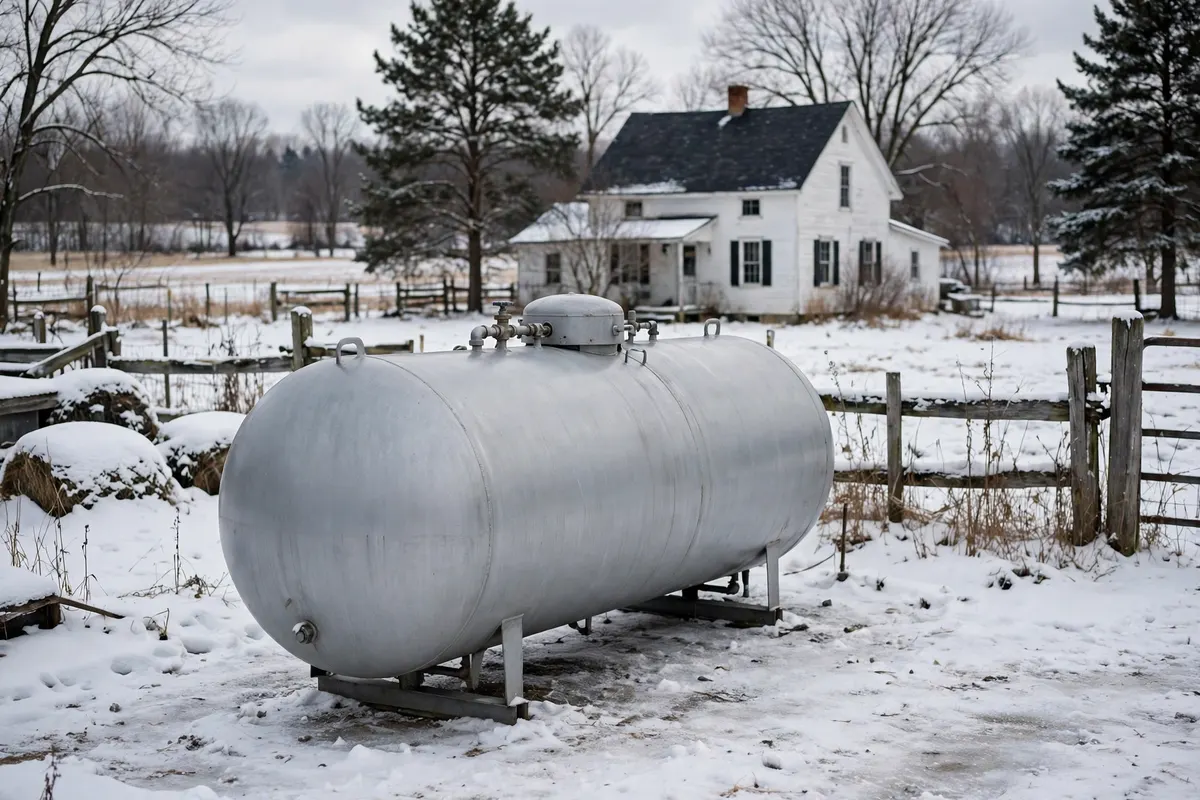
Propane Furnace Services
Propane furnaces for homes past the gas mains, with tank level and cold-weather running in mind.
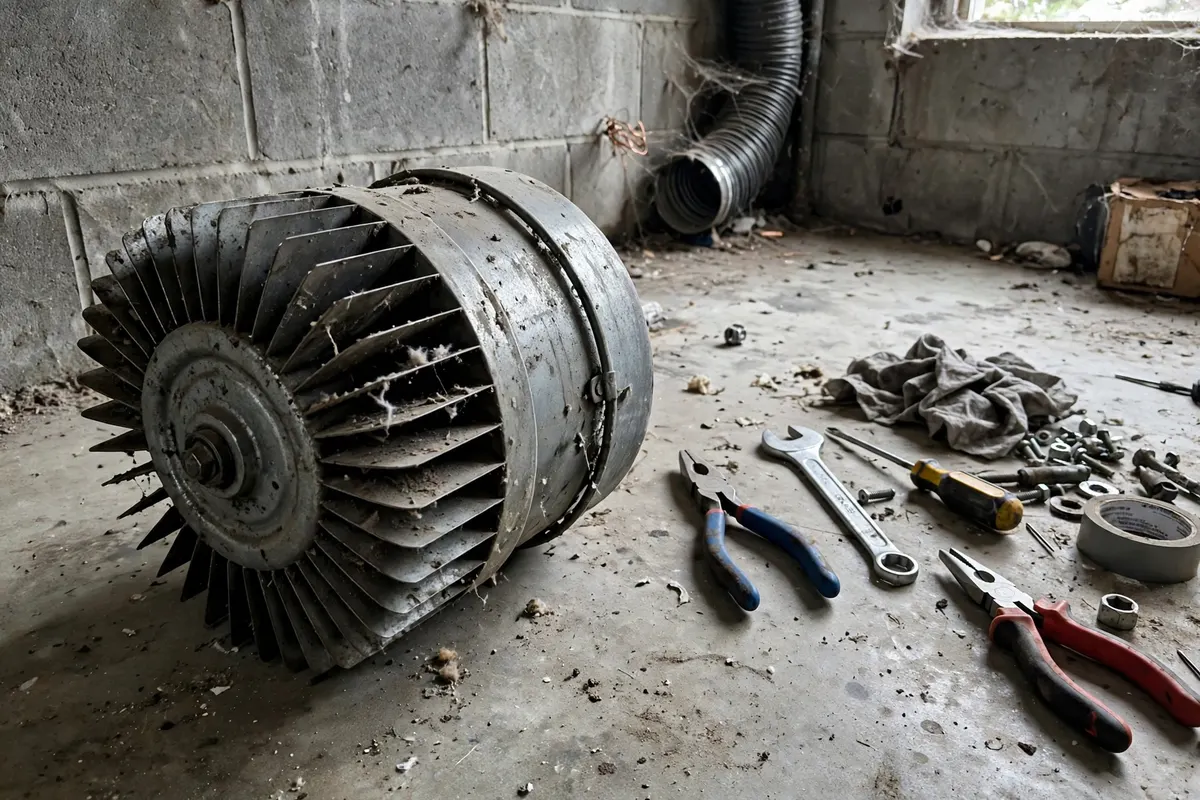
Blower Motor Repair
The fan that moves warm air through the house, and the noises and weak airflow that say it is wearing out.
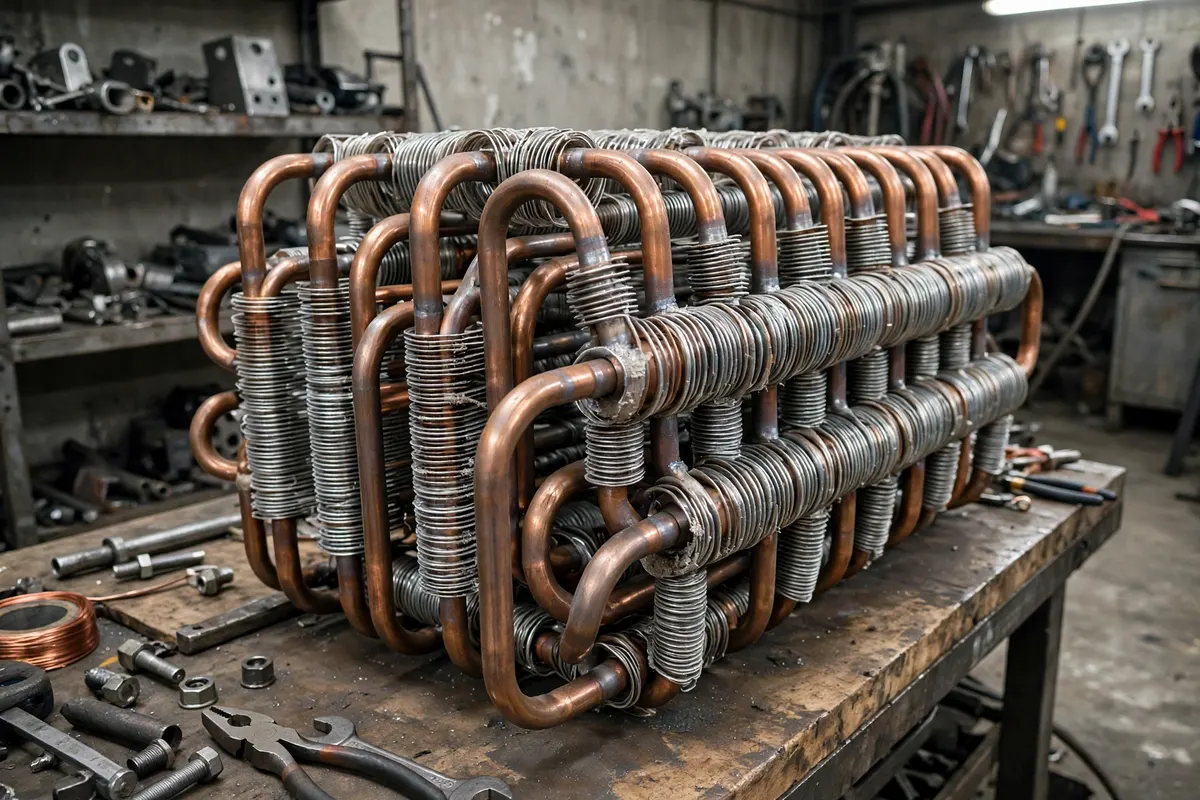
Heat Exchanger Services
The part that carries heat from flame to air, and the safety checks that matter when it cracks or corrodes.
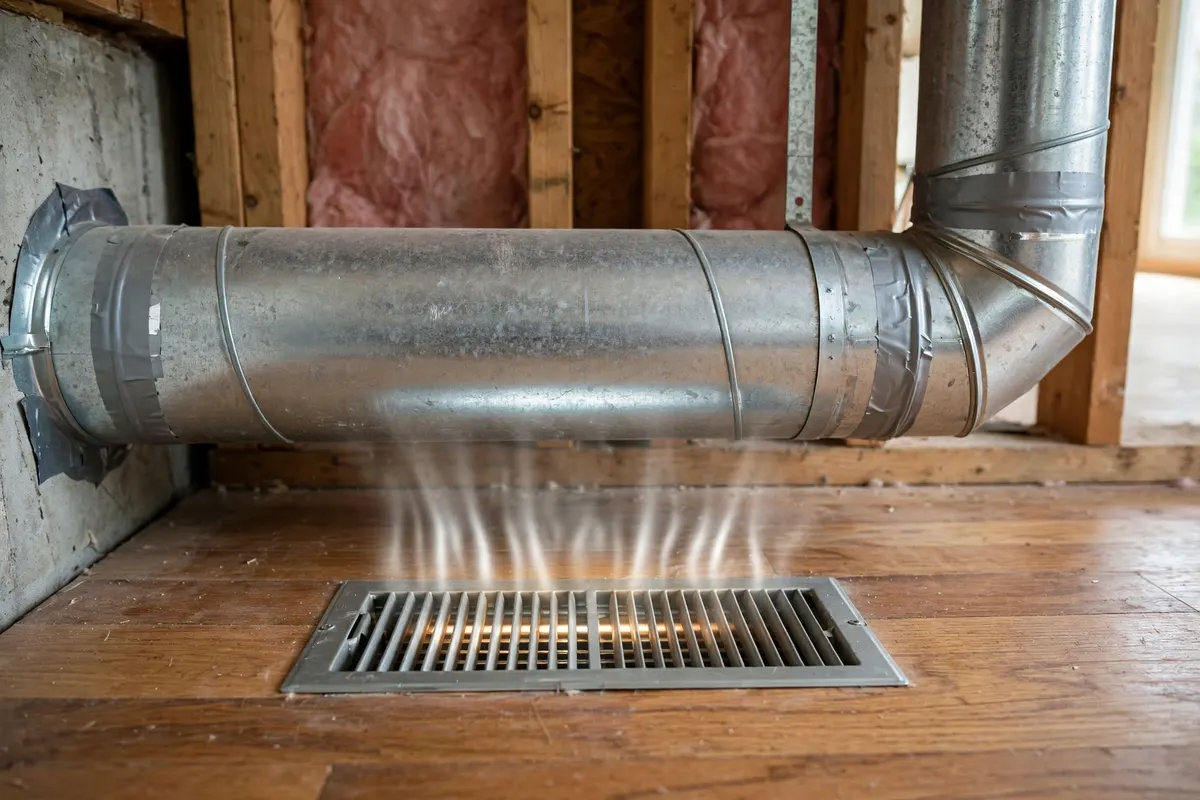
Ductwork & Airflow Services
Duct runs, registers, and airflow balance for rooms that stay cold while the rest of the house feels fine.
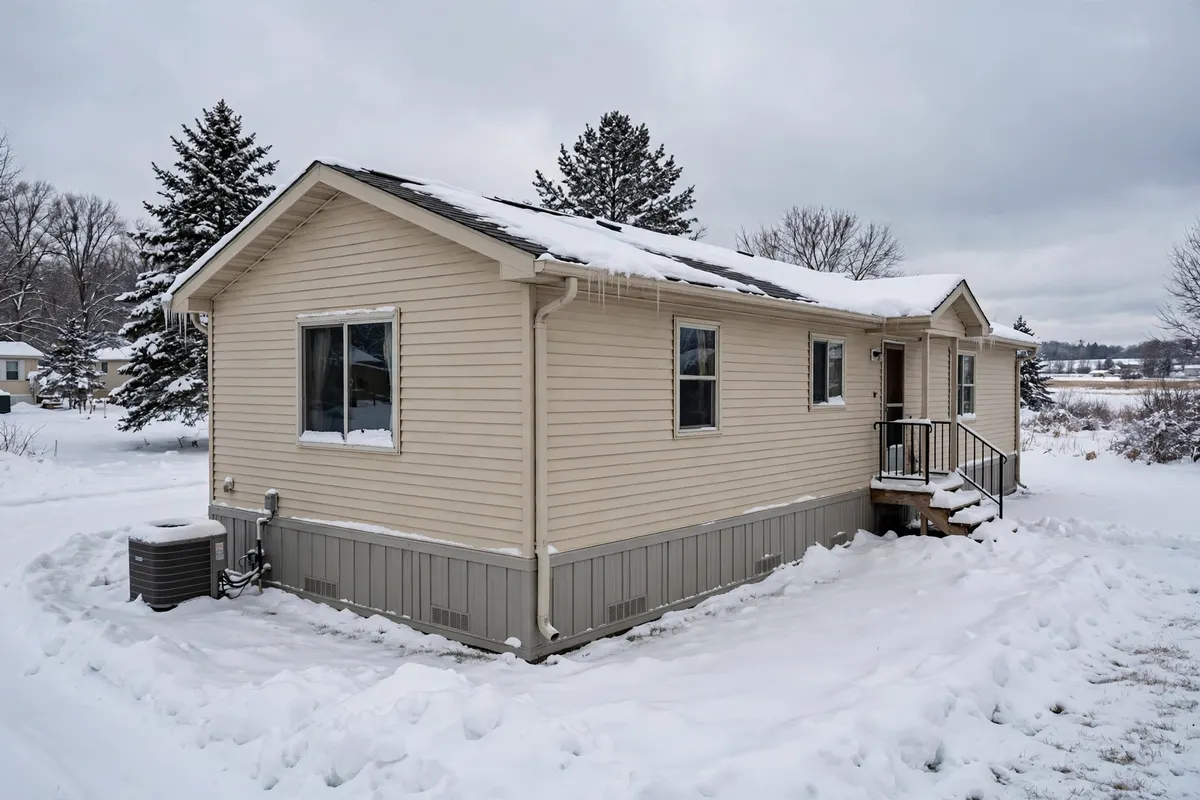
Manufactured Home Furnace Services
Furnaces in manufactured homes, where smaller duct runs and tighter spaces change how a visit runs.
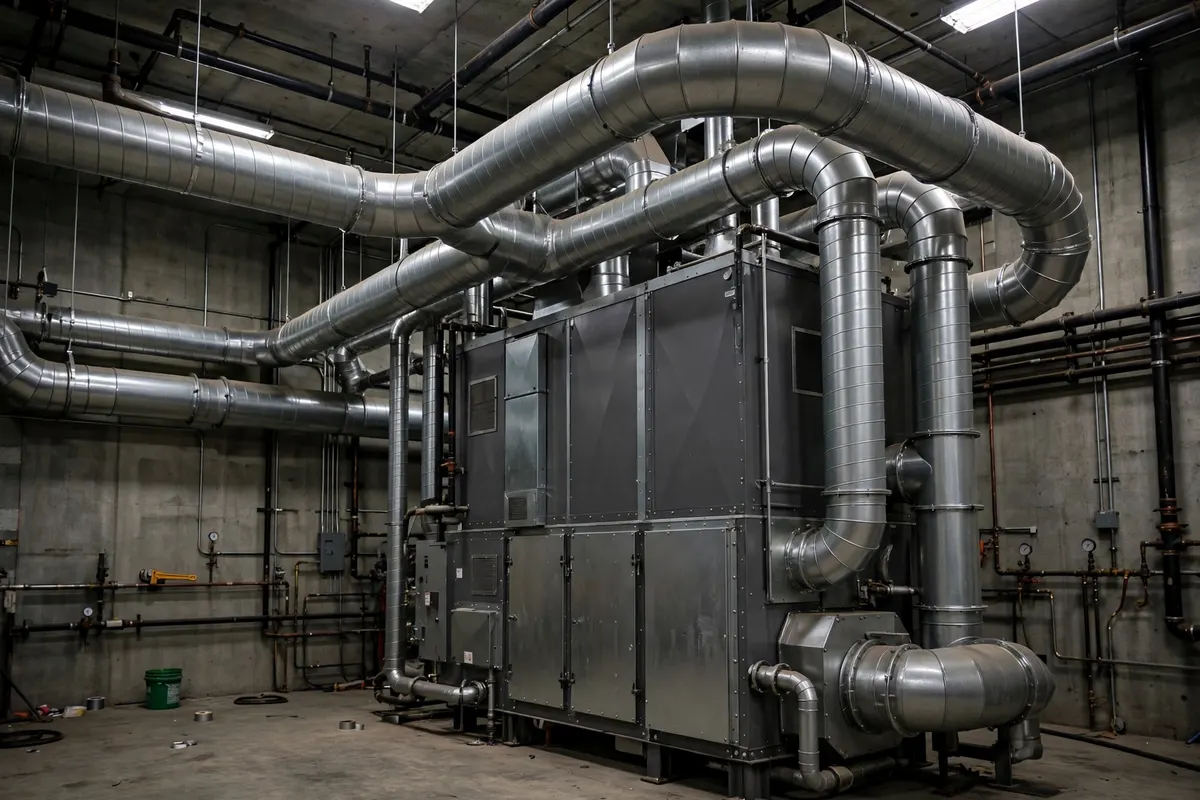
Commercial Furnace Services
Furnace work for small shops, offices, and other commercial spaces around Appleton and the Fox Cities.
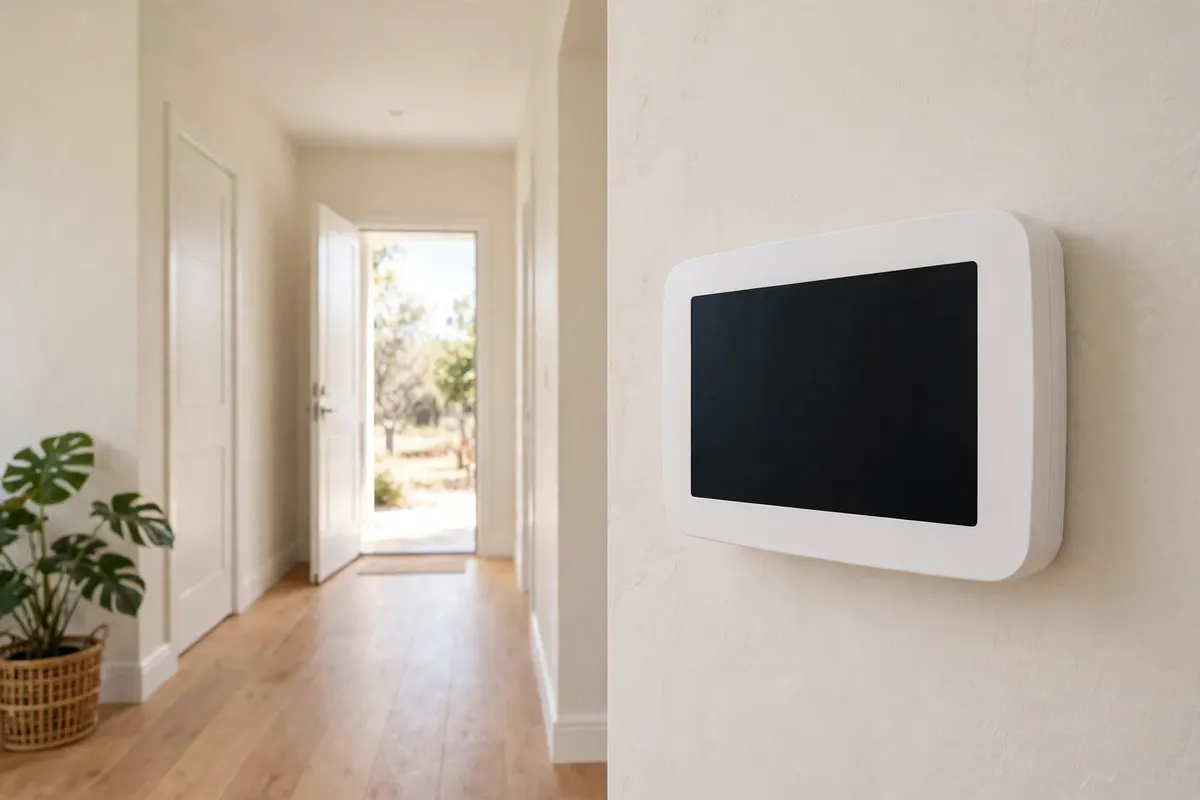
Thermostat, Controls & Zone Heating
Thermostats, controls, and zone setups that keep different parts of a home at different temperatures.
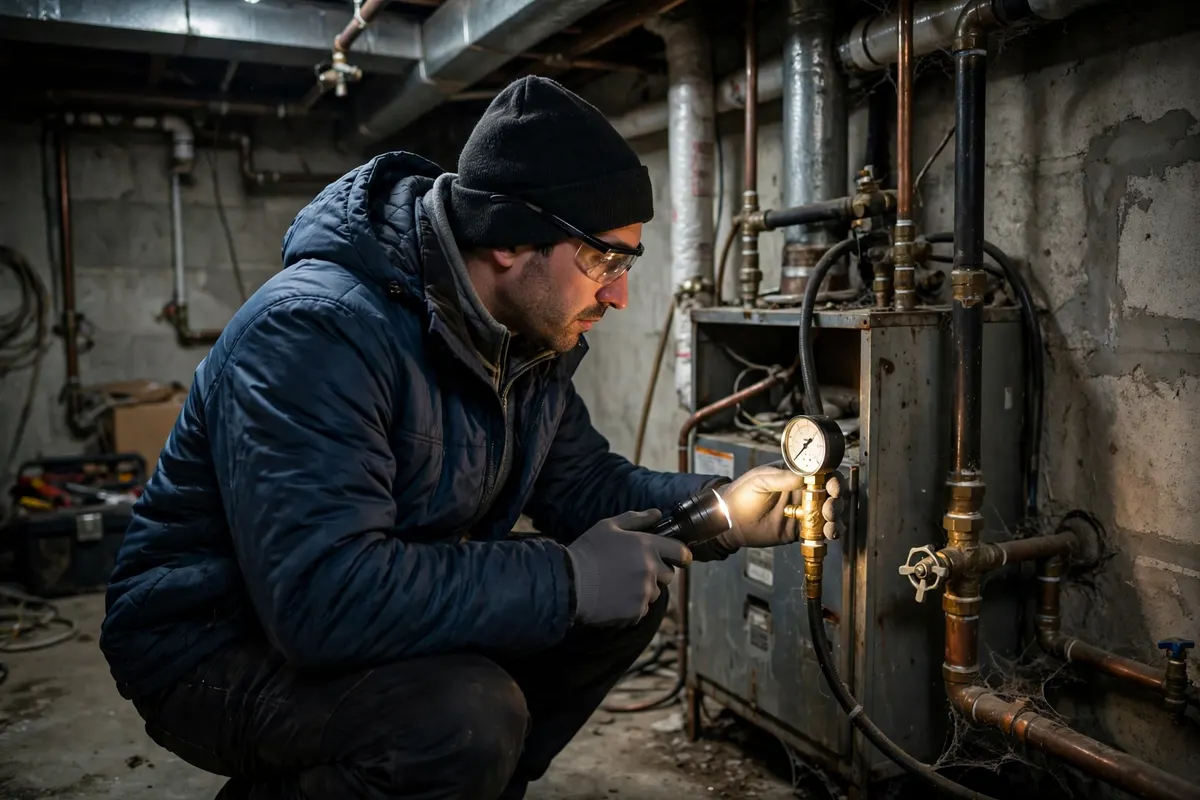
Furnace Maintenance, Tune-Up & Safety Inspection
A yearly check of ignition, burners, airflow, filters, and safety controls before the heating season bites.
Still deciding?
Call us and describe the symptom. We will point you to the right service page, or book the visit directly.
How to match a symptom to a service
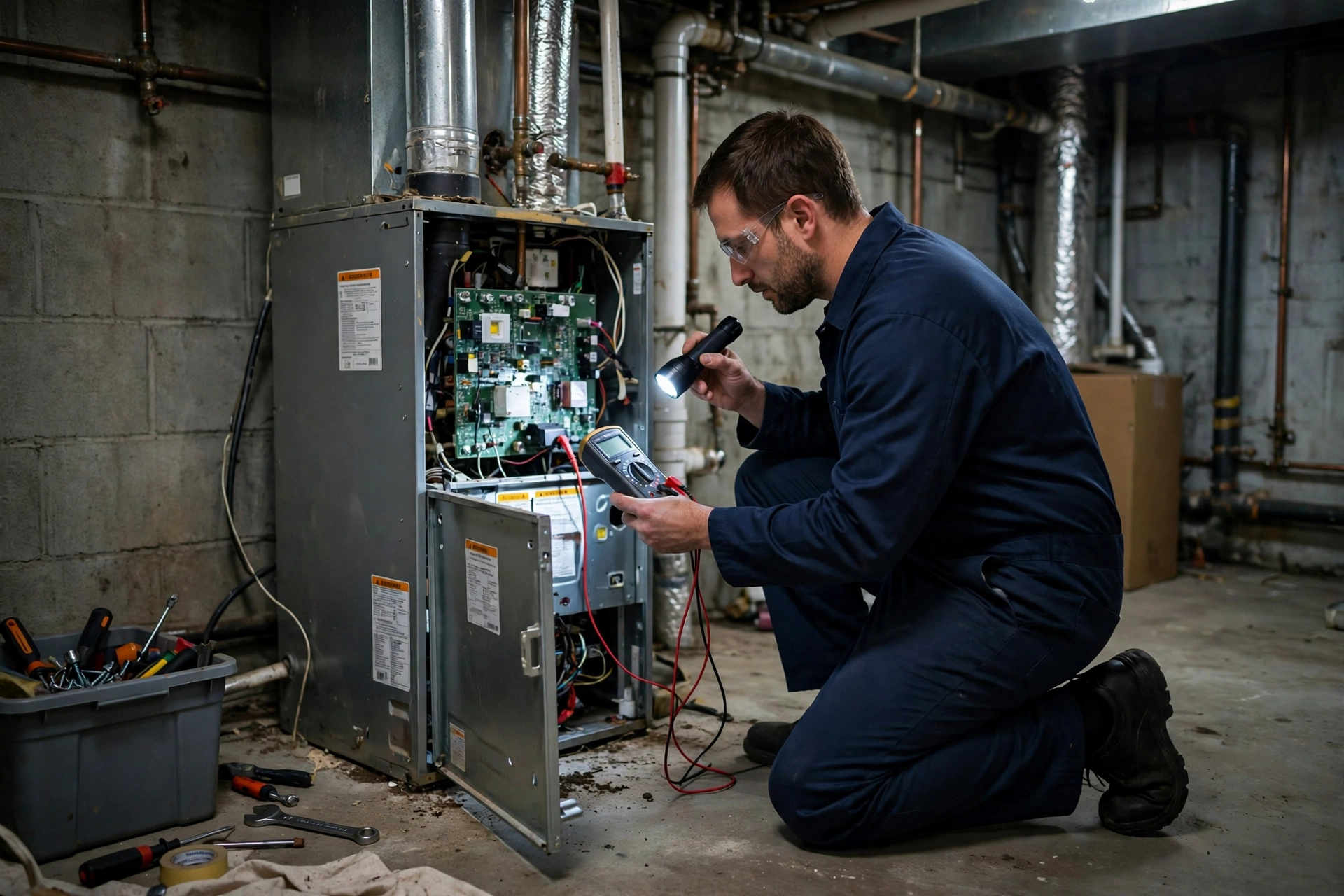
Start with what the furnace is doing, not with a service name. A unit that clicks without lighting points to ignition, and the parts in that story are the ignitor, the flame sensor, and the control board that reads them. A blower that hums without starting points to a motor or a capacitor, while rooms that lag behind the rest of the house point to ducts, dampers, and registers. The method is the same in each case: test in order, from thermostat call to ignition to airflow to safety controls, and let the readings choose the service. That order is why a maintenance and safety visit often comes first, even when the symptom sounds like a single part.
Fuel changes the order too. A gas furnace adds burners, a gas valve, and venting to the list, and a blocked intake or exhaust can lock the unit out after a storm. An electric furnace has no combustion venting, but its heating elements, sequencers, and relays wear in their own way, and a propane furnace adds a tank gauge, a regulator, and a copper supply line to check. The maker's instructions and local code set the safe order for each fuel, so a visit that follows them finds the fault instead of swapping parts. If the symptom is heat that never reaches a room, ductwork and airflow service is usually the honest next step.
What a visit actually works with: parts and materials
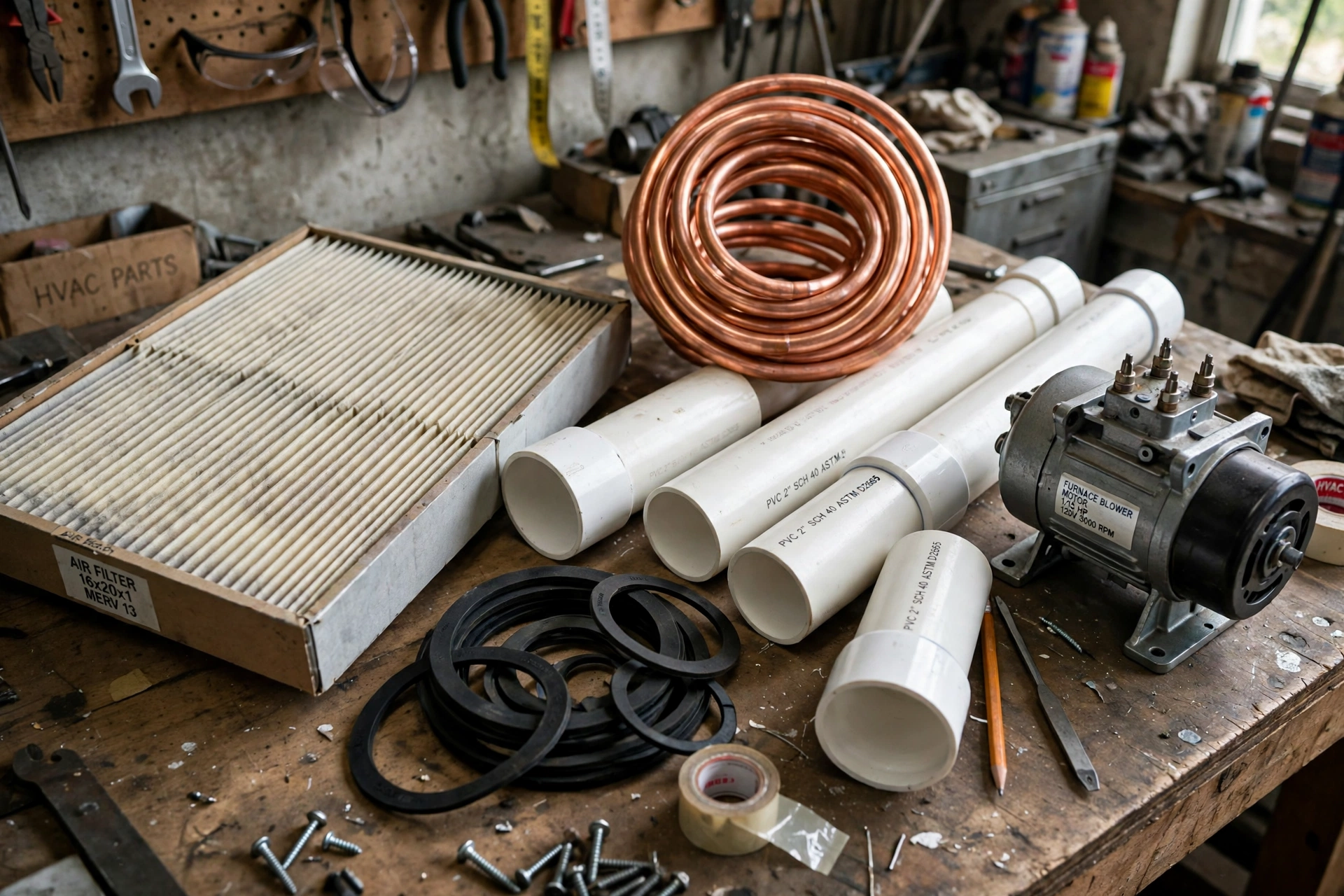
Behind every service page is a short shelf of parts and materials. Pleated filters of fibreglass media, galvanised sheet metal for ducts, copper gas line, PVC vent pipe and condensate hose, steel heat exchanger surfaces, and rubber gaskets that crumble with age all appear across the eleven services, in different combinations. The tools that judge them are a multimeter for electrical parts, a manometer for gas and duct pressure, a combustion analyser for flame quality, and an infrared thermometer for cold rooms and cold walls. A technician who can name the part, the material, and the reading is a technician who can explain the repair in plain words.
That shelf is also why some services belong together. A blower motor repair often reveals a dirty blower wheel that belongs to airflow work, and a heat exchanger check often reveals venting trouble that belongs to gas service. Reading the service pages as a set, rather than one by one, shows how a furnace is one system with many wear points, and why a visit that checks the whole system costs less over a winter than a visit that fixes one symptom.
Gas, electric, and propane homes need different visits
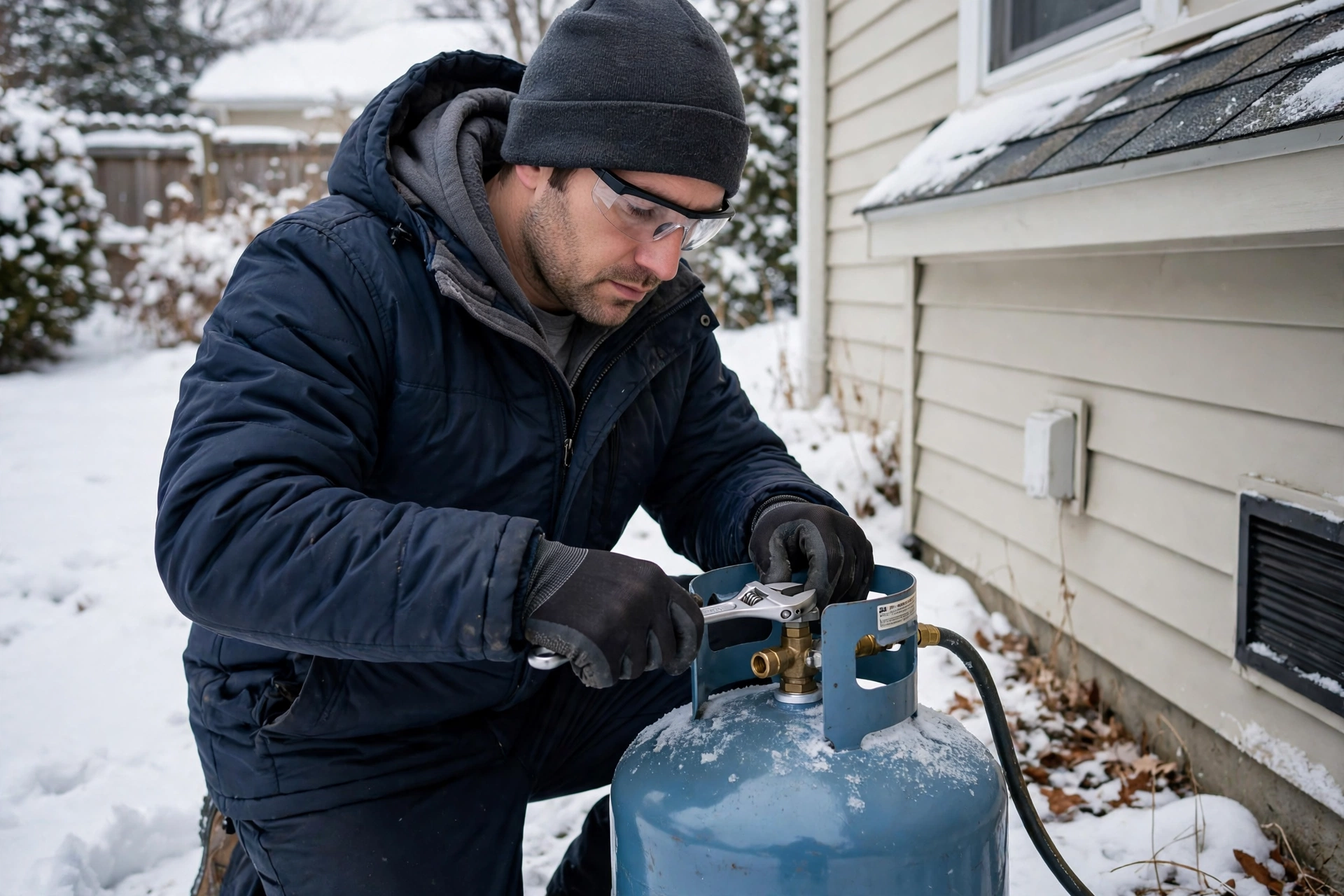
Appleton homes on the gas mains, homes past the mains on propane, and smaller homes on electric heat do not share a visit checklist. Gas visits spend their time on flame, venting, and condensate, and the safety controls that guard them. Electric visits spend theirs on elements, sequencers, and airflow, since there is no flame to inspect and no vent to ice over. Propane visits add tank level, regulator condition, and storm access to the list, because a furnace cannot run on a tank a truck cannot reach. Each fuel has its own wear pattern, and each pattern has its own page: gas furnace services, electric furnace services, and propane furnace services.
Housing changes the visit again. A manufactured home has a compact furnace and tight duct runs, a commercial space has a larger unit and longer run times, and an older Fox Cities home has ducts added over decades. The pages for manufactured homes and commercial furnace work cover those differences, and thermostat and zone heating covers the controls that tie rooms together. Start with the fuel, then the house, and the right page follows.
Not sure which service fits?
Describe the symptom on the call and we will point you to the right page, or book the visit directly.
Call (920) 523-4330 Contact usWhen a repair stops making sense
A furnace that needs a third major part in two winters usually costs more to keep than to replace, and a cracked heat exchanger ends the argument outright. The visit that finds that is still worth it, because it names the fault honestly instead of letting a homeowner pay for one more season of breakdowns. Our maintenance and safety inspection is often where that call gets made, with readings and photos to back it up.
The replacement conversation starts from the house, not from a catalogue. Size comes from the rooms and the ductwork, fuel from what is already piped or tanked, and controls from how the family actually uses rooms through the day. That is the ground our installation and replacement page walks through, including what to settle before an installer arrives and what a first winter on a new unit should feel like.
The visit itself: what happens in the first half hour
A furnace visit starts the same way whether the call was a no-heat emergency or a planned tune-up. The technician walks the house first, listening to how the homeowner describes the problem, then checks the thermostat, the filter, and the breaker before opening the furnace cabinet. That order matters: the cheapest causes get ruled out before any part is blamed, and a surprising number of winter calls end at the thermostat setting or a filter that has not been changed since fall.
Only after those checks does the cabinet come open. Burner, ignition, flame sensor, blower, and venting get examined in the order the fault points, and the homeowner hears what was found before any work is approved. A visit that skips the walk-through and goes straight to parts is guessing, and guessing is how a good igniter gets replaced while a blocked vent keeps tripping the furnace.
Why Fox Cities furnaces fail in the same handful of ways
After enough winters in the Fox Valley, the failure pattern gets familiar. Ignitors crack from heat cycling, flame sensors coat over with oxidation, blower motors wear their bearings out on long January runs, and pressure switches trip when vents frost over in a storm. Those four faults account for a large share of midwinter calls, which is why a technician carries them on the truck and checks them early.
Knowing the pattern does not mean assuming it. Each of those faults has a lookalike: a coated sensor mimics a dead igniter, and a frosted vent mimics a failed pressure switch. The visit earns its keep by telling the pattern apart from the lookalike, with readings rather than hunches, before a part is swapped.
After the visit: what to watch in the first week
The first week after a repair is the real test. Rooms that were cold should warm evenly, the furnace should start cleanly without repeated retries, and no new smell or sound should appear. If the house still loses ground on the coldest night, or the furnace starts short-cycling a few days later, that is information, not bad luck, and it is worth a return call while the visit is still fresh in everyone's mind.
A tune-up visit leaves a different kind of homework: the filter date to remember, the vent pipe to keep clear of snow, and the thermostat battery or setting to check before the next cold snap. Small habits like those are what keep a repaired furnace from becoming a repeat call in February.
How long each kind of visit usually takes
Homeowners often ask how much of the day a visit will take, and the honest answer is that it depends on what the visit finds. A straightforward repair, such as an igniter or a flame sensor, is usually done within the visit itself, including the checks before and after the part goes in. A tune-up takes longer than a single repair because it covers the whole furnace: burner, ignition, blower, venting, and safety controls, each in turn, rather than one fault.
Replacement and installation visits are a different shape of day. Sizing, removal of the old unit, fitting the new one, venting, and the first test run all need their turn, and rushing any of them shows up in the first winter. A visit that finds a cracked heat exchanger can also change shape mid-visit, because that finding moves the conversation from repair to replacement, with the options and the reasoning laid out before anything is decided. None of these visits should feel hurried, and none should leave the homeowner unsure what was done or why.
Frequently asked questions
Start with the problem you can describe. A stopped furnace points to repair, a noisy blower points to the blower page, and a unit near the end of its life points to installation and replacement. Each service page explains its own signs, so you can match what you see at home to the right page.
Yes, furnace work is the whole business. That focus covers gas, electric, and propane furnaces, plus the parts that keep them running: burners, ignitors, flame sensors, blower motors, heat exchangers, thermostats, and ductwork. If a job falls outside furnace work, we say so plainly.
The unit's age, the failed part, and how often it has needed attention all feed into that call. A single failed ignitor on a mid-life unit usually points to repair. A cracked heat exchanger or a unit that breaks down every winter points the other way. We lay out both sides before you decide.
We check ignition, burners, airflow, filters, safety controls, and venting, and we note anything worn before it fails. The visit ends with the furnace running and a short summary of what we found, so you know what to watch through the season.
Yes. Uneven rooms often come from ductwork, airflow, or thermostat placement rather than the furnace itself. The ductwork and airflow page and the thermostat and zone heating page both cover parts of that puzzle, and a visit traces the cold rooms back to the cause.
The locations page lists every town we serve, and each town page carries its own local detail. Appleton is our home base, and the towns around the Fox Cities each link from that page to the service that fits the problem.
Start with the service that matches the problem
Browse the pages above, then call with the symptom in mind. A short conversation usually settles which visit your furnace needs.
Call (920) 523-4330 Send an emailLast updated: October 31, 2026