Downtown Menasha
Older river homes with basement furnaces and ductwork added over many years.
Furnace Repair · Appleton, Wisconsin
Call (920) 523-4330Menasha calls itself the Island City, and that geography is real: parts of town sit on Doty Island, shared with Neenah, while the rest stretches along the Fox River and Lake Winnebago. Homes here range from downtown houses near the river to family neighborhoods around Jefferson Park, and each setting gives a furnace a slightly different job.
Call (920) 523-4330 See our services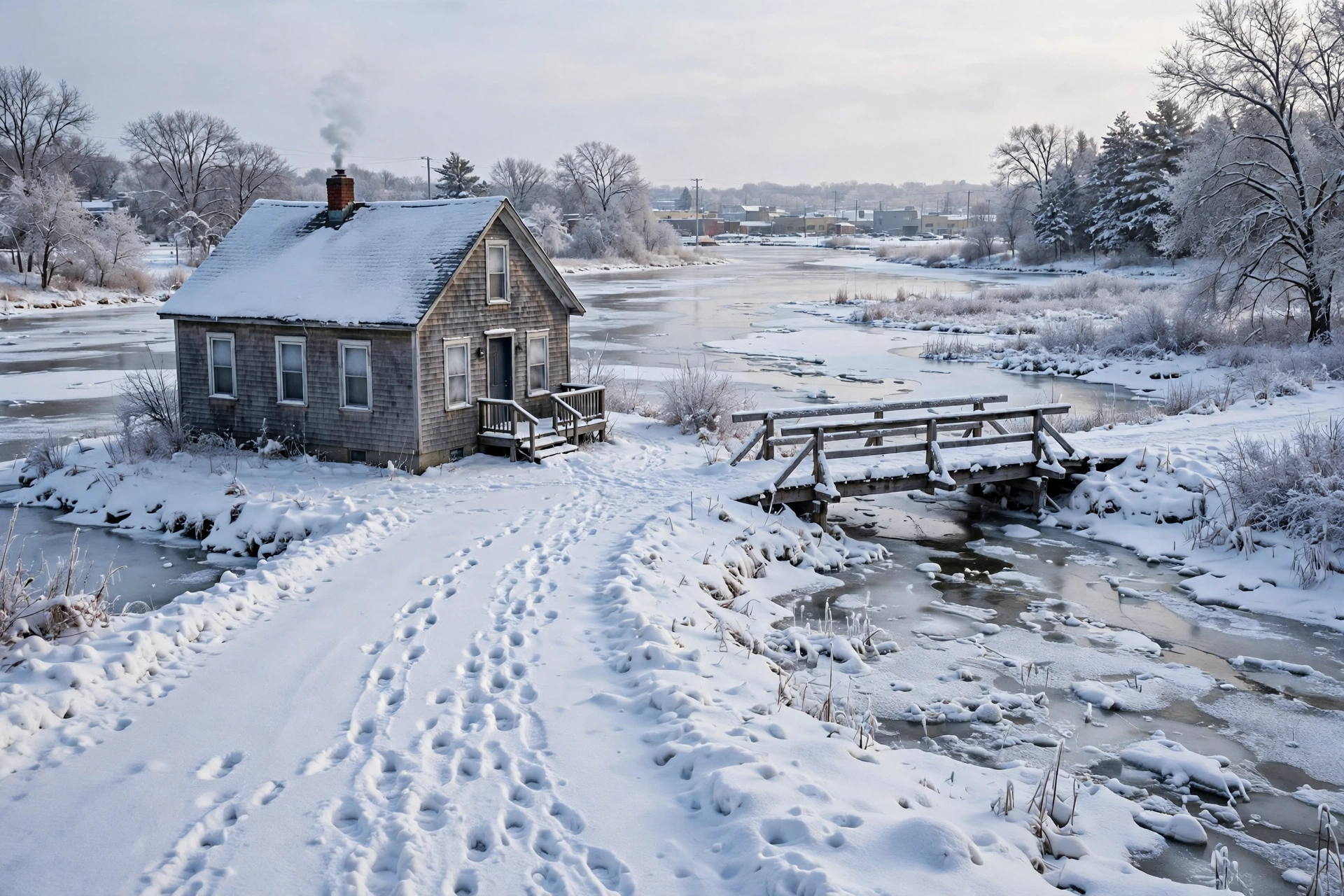
We repair furnaces throughout Menasha, and we look closely at the setting before we touch a tool. A downtown home with a basement furnace and old ductwork needs a different first check than a newer home near the park with a high efficiency unit and outdoor venting. Tell us your neighborhood and your symptom, and we will start from there.
A visit starts with your description: when the problem started, which rooms feel it, and what the furnace sounds like. We then test in the order your symptom suggests, checking thermostat signals, ignition, flame sensing, airflow, and venting. You hear the finding in plain words before any repair, and we show you the failed part or the airflow reading when that helps the decision.
That order matters in Menasha because the housing mix is so varied. A downtown basement furnace, an island home with wind exposure, and a Jefferson Park home with standard ducts can share the same complaint and need three different fixes. Starting from the house, not from a script, keeps the repair honest and the bill focused on the real fault.
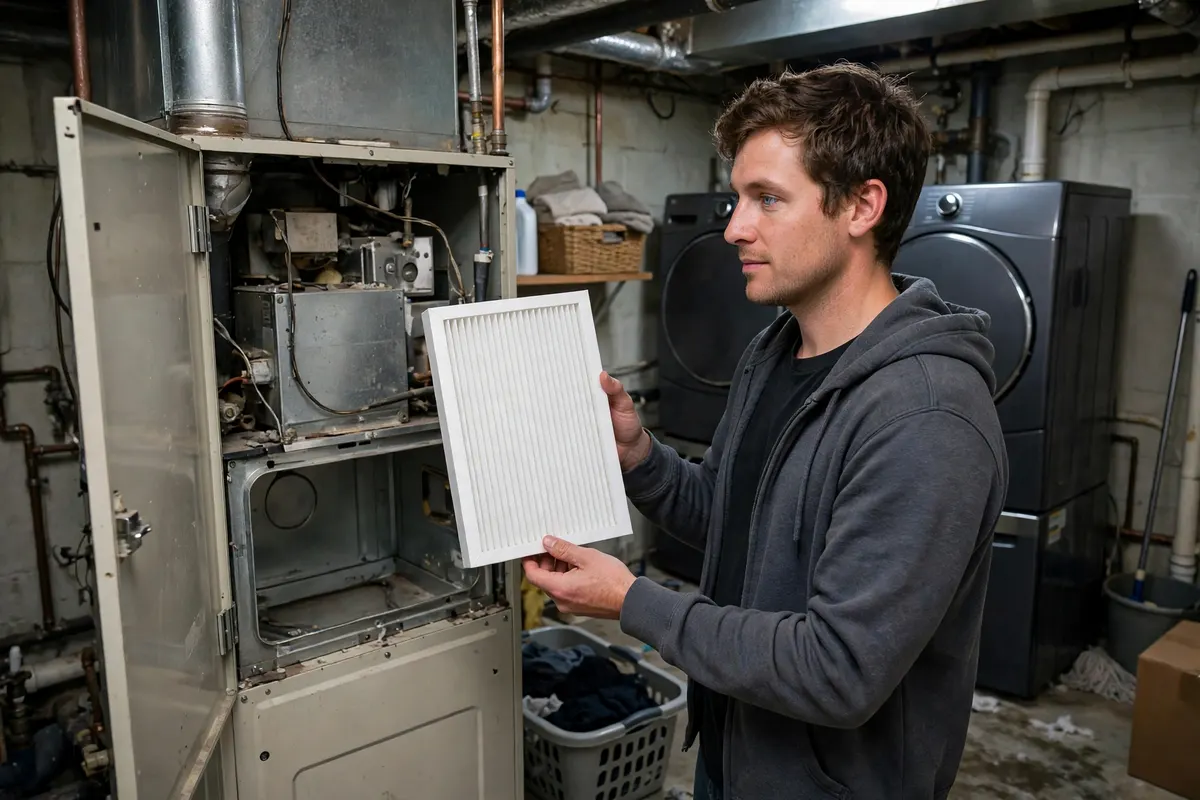
One habit helps across all three settings: a clean, correctly sized filter. A clogged filter starves airflow, overheats the heat exchanger, and trips safety switches. Checking it takes a minute and prevents a surprising share of no-heat calls.
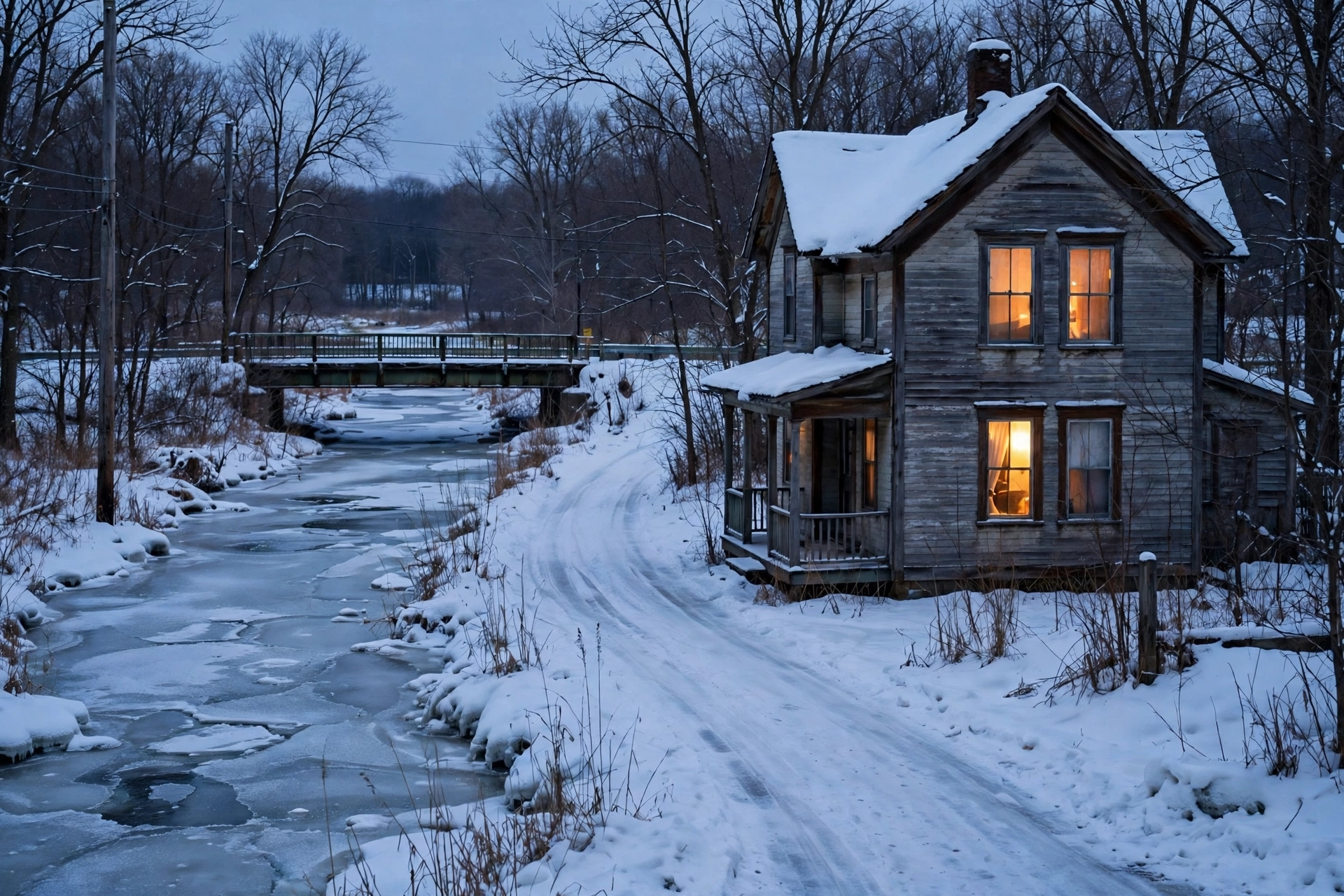
Doty Island homes face lake wind on more sides than a mainland house, and a thermostat in a sheltered hallway cannot sense a cold river-facing bedroom. Our thermostat and zone heating service puts a sensor where the cold actually is.
Menasha winters combine lake wind, river dampness, and long cold stretches. Wind off Lake Winnebago and the Fox River pushes into older downtown and island homes through gaps around doors, windows, and rim joists. A furnace then cycles more often to hold temperature, and every extra cycle wears igniters and motors a little more.
Damp air adds a comfort problem on top of the cold. A tightly closed winter home traps moisture, which condenses on cold window glass and can leave rooms feeling clammy even when the thermostat reads warm. Steady furnace cycles with clean airflow help even out both temperature and that damp feeling, while short cycling leaves cold corners and stale air behind.
| Menasha winter pattern | What homeowners notice | What helps most |
|---|---|---|
| Lake wind on island homes | Cold far rooms, drafts near doors | Draft sealing, duct balance, sensor placement |
| Long cold stretches | Furnace runs constantly, then quits | Fall inspection of igniter, sensor, and venting |
| Damp, sealed-home air | Condensation on windows, clammy rooms | Steadier cycles, clean filter, working blower |
Downtown Menasha holds older homes close to the river, many with basements and forced-air systems added over decades. Doty Island homes, shared with Neenah, sit between river channels where wind reaches more sides of the house. Jefferson Park anchors a family neighborhood with a mix of mid-century and newer homes, many with full basements and standard ductwork.
That mix means no single furnace story fits Menasha. Downtown homes often show uneven heat from ductwork that was extended room by room. Island homes show drafts and cold far rooms from wind exposure. Jefferson Park homes more often show straightforward wear: a blower motor getting noisy, an igniter failing on cold mornings, or a filter that went unchanged too long.
Older river homes with basement furnaces and ductwork added over many years.
Island homes between river channels, shared with Neenah, exposed to wind from several sides.
Family neighborhood with mid-century and newer homes, many with full basements.
Menasha ZIP code is 54952. Harrison shares that ZIP code, so give us the town name with the ZIP when you call and we will send help to the right place.
Sealed winter homes hold moisture and combustion products longer, which is why detector placement matters as much as detector ownership. Our sealed winter home safety guide explains placement room by room, and Neenah shares Doty Island with Menasha. Questions about a visit start at our contact page.
Three complaints lead Menasha calls: a furnace that will not start on a cold morning, a home that heats unevenly, and a furnace that runs loudly or cycles too often. Each complaint points to a different set of parts, and the service pages below explain how we work through each one.
A fall tune-up checks the igniter, flame sensor, and venting that January cold exposes first.
Uneven rooms in downtown and island homes often trace to duct balance, not furnace size.
Noisy or weak blowers show up as weak airflow, hot and cold rooms, and rising run times.
Menasha furnace acting up? Call Paper City Heating and describe the sound or symptom.
Call (920) 523-4330Downtown Menasha's mixed-use buildings, shops below and homes above, create heating puzzles that single-family homes never face. Heat rises from the shop into the apartment above, so an upstairs home may overheat while a ground-floor shop stays cool, and a single thermostat cannot serve both spaces well. Zone controls or separate thermostats solve that split more reliably than a larger furnace.
Jefferson Park homes face a seasonal rhythm instead. Summer brings park activity and open windows, fall brings the first furnace startup after months idle, and winter brings steady running. That first fall startup is when weak igniters and coated sensors reveal themselves, which is why an October check matters more than a midwinter emergency visit.
Island homes add a third rhythm: wind exposure that changes with lake ice. Open water in early winter brings damp wind, while frozen lake ice later in winter brings dry, biting wind. Both push drafts into island homes, and both make draft sealing a winter comfort measure, not just an energy idea.
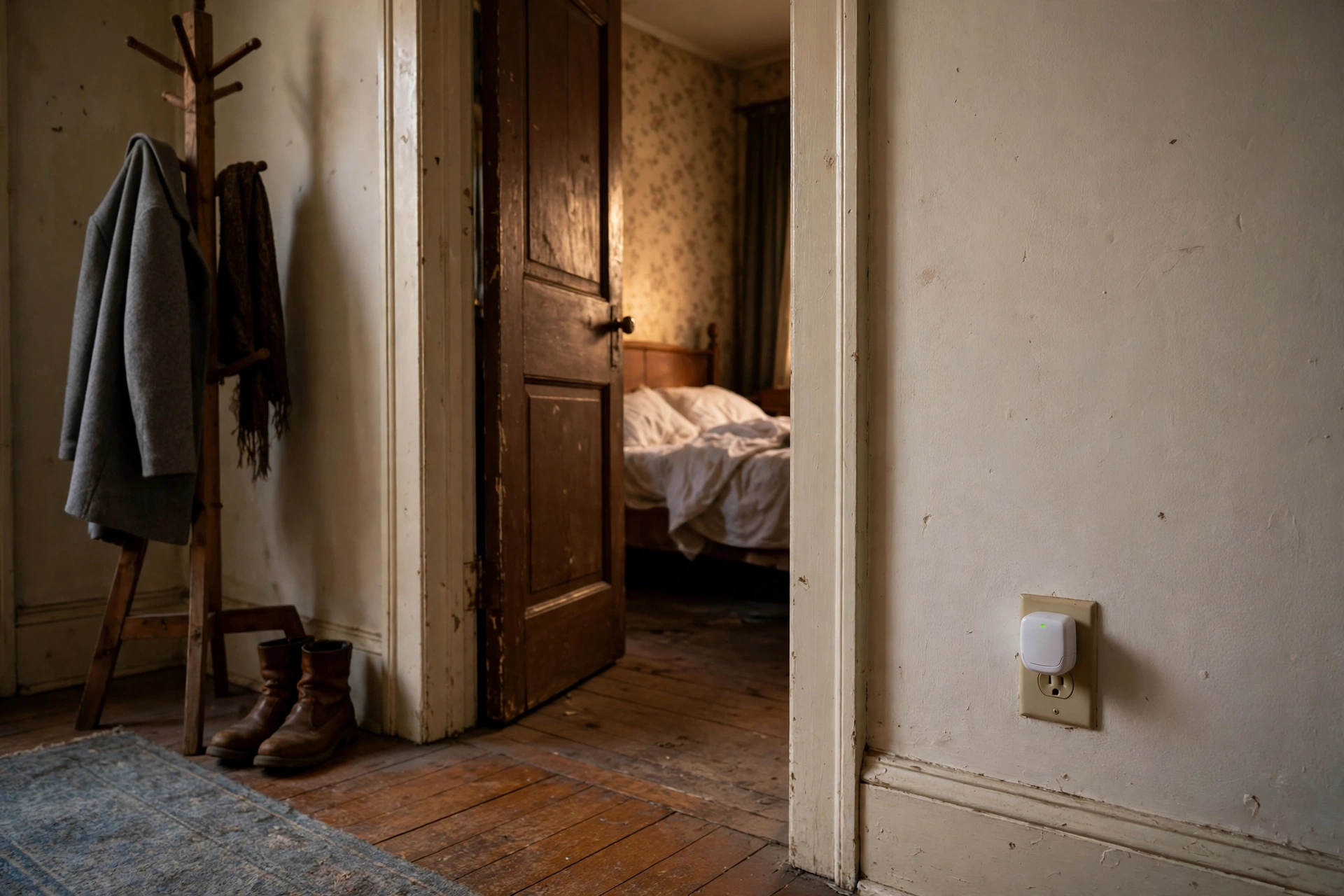
A plug-in carbon monoxide detector near sleeping rooms is the last line of defence when a heat exchanger or vent fails. Testing it monthly and checking its age is part of every maintenance and safety inspection we make in gas-heated homes.
Jefferson Park is Menasha's best-known park, with a swimming area and trails that draw families all summer and walkers all winter. The Menasha Public Library and the downtown riverfront give the city its center, and Doty Park on the island side offers river views close to home. For hospital directions, ThedaCare Regional Medical Center in Neenah sits just across the channel, minutes from most Menasha addresses.
Menasha's history as a paper and manufacturing town also shaped its housing. Smaller worker homes near downtown and the river were built compact, with rooms that heat unevenly when a duct run is undersized or a register is blocked. A room-by-room airflow check in those homes usually finds the problem faster than debating furnace size.
Menasha's main park, with trails and a swimming area that anchor the surrounding neighborhood.
The Fox River frontage that gives Menasha its center and its Island City character.
A downtown landmark close to many of the older homes we service in town.
Island and downtown work mixes galvanized steel ducts, flexible duct branches, copper gas lines, and PVC venting, tested with a combustion analyzer for flue gases and a manometer for pressure. Gas, venting, and alarm placement follow the furnace manufacturer's instructions and local building code, including Wisconsin's carbon monoxide alarm requirements for dwellings.
Menasha sits on the Fox River and the Lake Winnebago shore, with Doty Island in its middle, and the map below shows the city we serve.
Yes, in emphasis. Island homes face wind from more sides, so we check drafts, thermostat placement, and duct balance closely, along with the usual ignition and venting checks. Wind exposure makes cold far rooms more likely, and those rooms need airflow answers, not just a hotter thermostat setting.
The furnace may be fine while the air delivery is not. Duct joints that loosened over years, a closed damper, or a blocked return vent can starve one room while others warm up. We measure airflow at each register to find the weak run.
Jefferson Park homes mix mid-century and newer construction, many with full basements and standard ductwork. Problems there are more often straightforward wear on igniters, blower motors, and sensors, which a fall tune-up catches early.
In a hard cold stretch, long run times are normal as the furnace works to hold temperature. Short cycling, where it starts and stops every few minutes, is not normal and points to airflow, thermostat, or sensor trouble worth checking.
Yes. Restricted airflow overheats the heat exchanger and trips a high-limit safety switch, shutting the furnace down or making it cycle. A fresh filter of the right size usually restores normal operation, unless overheating has already damaged another part.
Yes. Downtown apartments above shops and older multi-unit homes get the same checks as single-family homes. Tell us if you are the owner or tenant when you call, so we know who can approve the work.
Call us and tell us which rooms feel worst. We will start from your home, not a script.
Call (920) 523-4330From downtown to Doty Island to Jefferson Park, Menasha furnaces face river wind and long winters. Call Paper City Heating for help matched to your neighborhood.
Call (920) 523-4330 Contact usLast updated: October 31, 2026