Bergstrom-Mahler Museum of Glass
A lakefront museum and a landmark Neenah residents point to when describing the city.
Furnace Repair · Appleton, Wisconsin
Call (920) 523-4330Neenah grew up along the Fox River and Lake Winnebago, and its housing stock shows that history in every block. Downtown streets hold older homes with basements, radiators replaced long ago by forced air, and ductwork added in stages. Doty Island homes sit close to the water, where damp air and wind off the lake make a cold house feel colder.
Call (920) 523-4330 See our services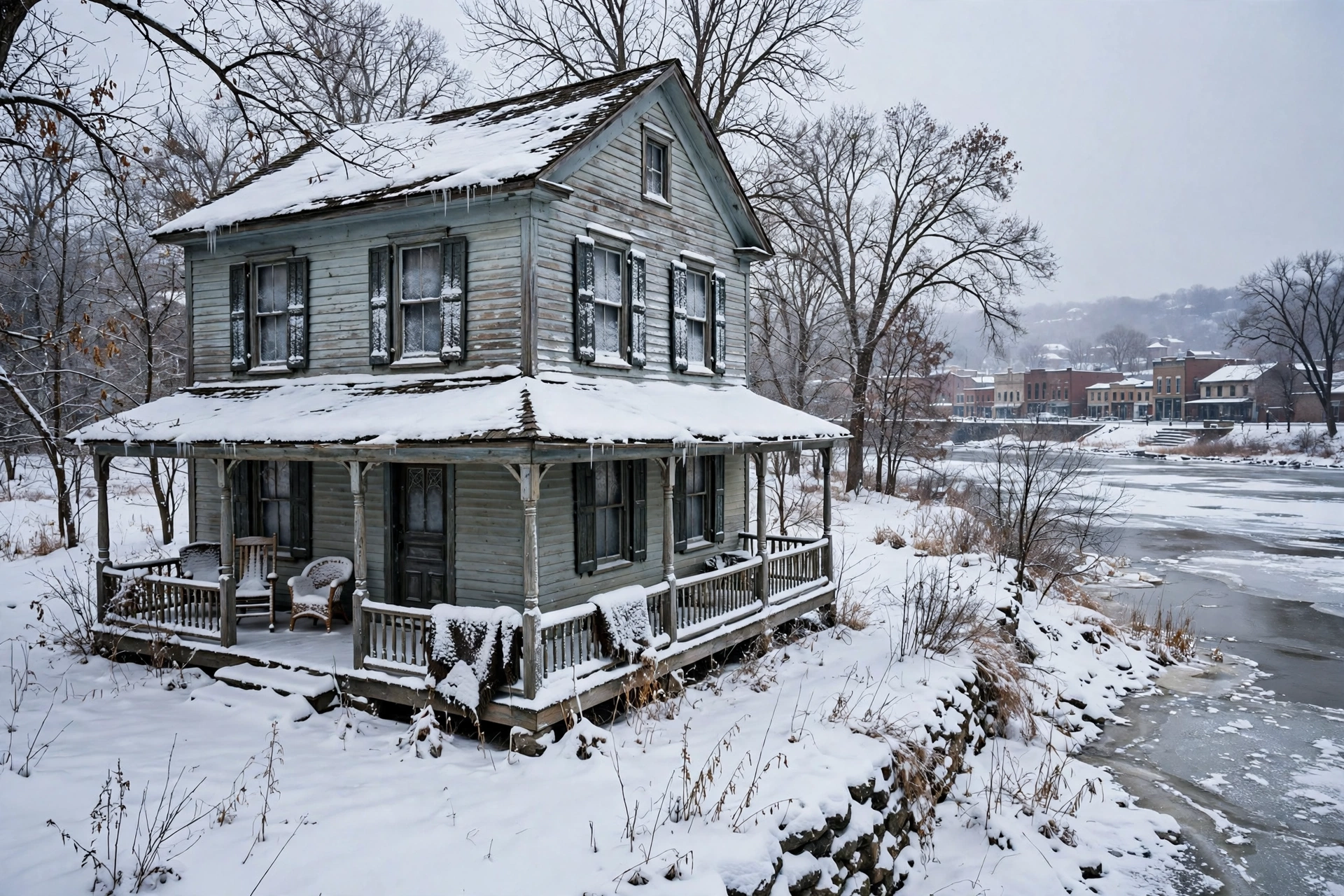
We repair furnaces in Neenah homes of every era, and the age of the house changes the job. An older home may hide a furnace in a low basement with tight access, while a newer home near the lake may run a high efficiency unit with outdoor venting that frosts in a windstorm. Either way, we start with the symptom you notice, then trace it to the part or airflow problem behind it.
Downtown Neenah and the Main Street area hold many homes built when coal and then oil heat were the norm, later converted to gas forced air. Those conversions left their mark: ductwork that takes odd turns through old framing, registers placed where a radiator once stood, and furnaces squeezed into basements with low ceilings. A furnace in that setting can run fine for years and then start short cycling when a duct joint loosens or a return vent gets blocked by furniture.
We look closely at heat exchanger condition in older Neenah furnaces, since age and past overheating from restricted airflow wear that part first. A cracked heat exchanger is a safety matter, not a comfort matter, because combustion gases must stay out of the air your family breathes. We test with a combustion analyzer and a visual inspection, and we explain what we find in plain words before any decision about repair or replacement.
Doty Island brings a different wrinkle. Homes there sit between two channels of the Fox River, and lake wind finds every gap in an older shell. A thermostat near a drafty window can shut the furnace off early, leaving far bedrooms cold. Sealing the worst drafts and checking thermostat placement often improves comfort more than a larger furnace would, and we say so plainly when that is the case.
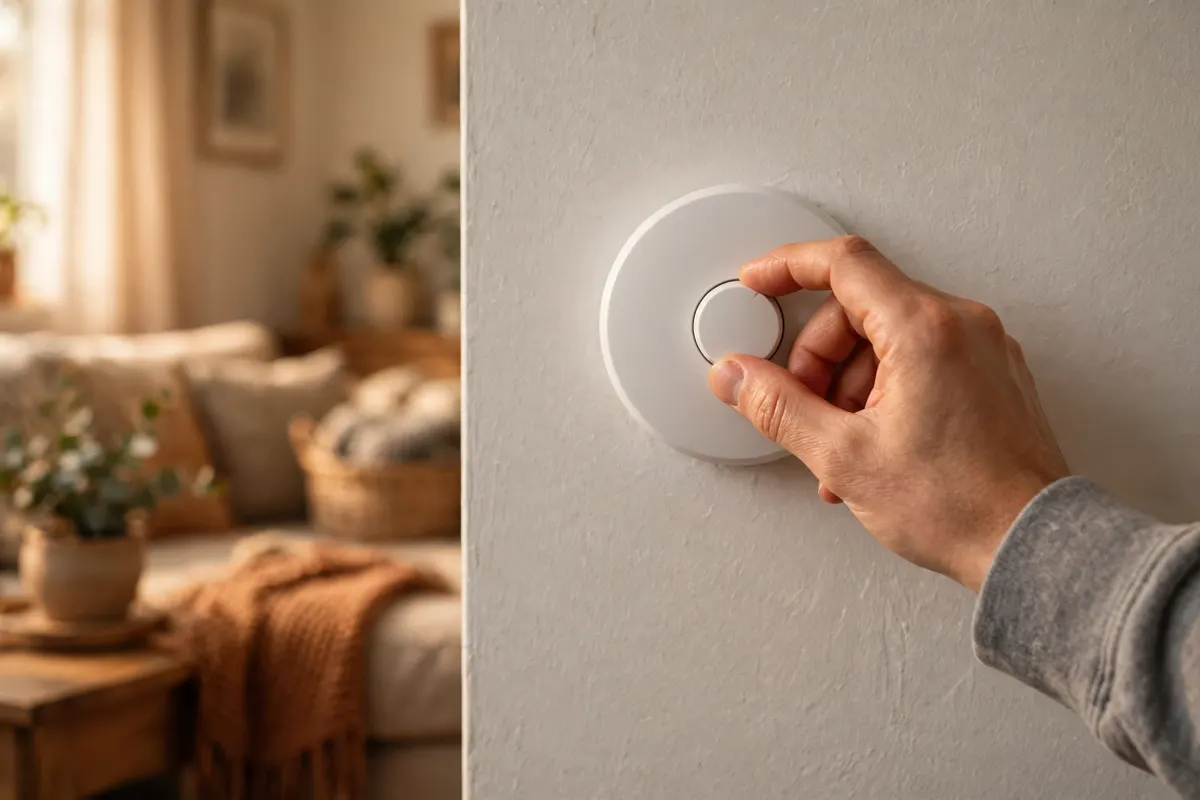
Thermostat controls matter more in older homes than most owners expect. A single thermostat cannot know that the river-facing bedroom runs five degrees colder than the hallway where it hangs. Zone controls or a second sensor can even out that gap, and a modern thermostat with remote sensors is one practical way to get there without opening walls.
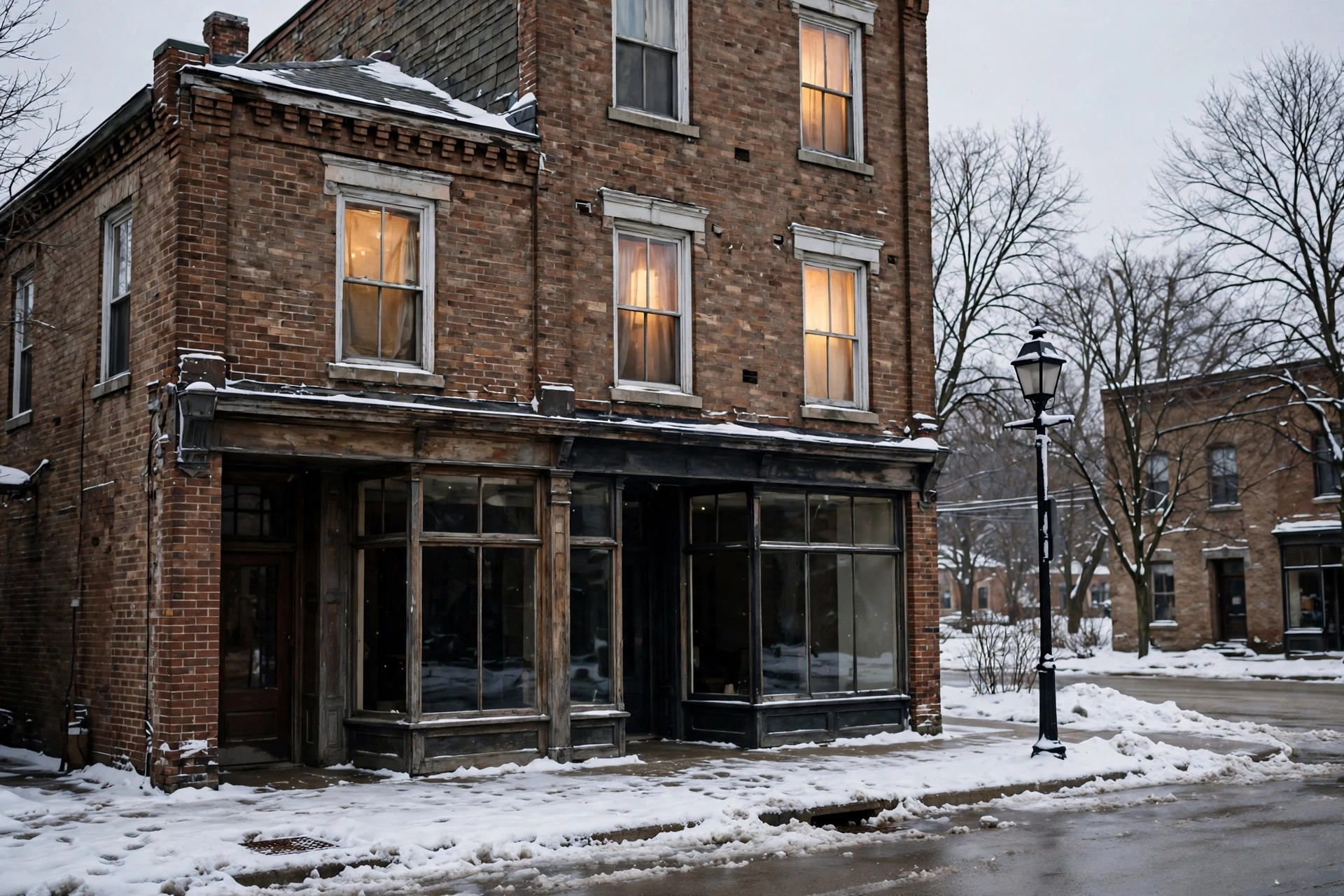
Downtown Neenah apartments above shops share walls and ductwork with the business below, and a thermostat far from the rooms that need heat most. Our thermostat and zone heating service checks register airflow and sensor placement before anything else in those spaces.
The Bergstrom-Mahler Museum of Glass on the lakefront is one of Neenah's best-known landmarks, and the Neenah Public Library anchors downtown. Doty Park on Doty Island gives residents a riverfront gathering place in every season. For hospital directions, ThedaCare Regional Medical Center in Neenah serves the city itself, a useful detail when a heating problem hits a household with medical needs.
Neenah's paper industry past also shaped its housing. Mill-era homes near downtown were built for workers and their families, with compact rooms and basements that later held furnaces. Those compact rooms heat unevenly when ductwork is undersized, and a room-by-room airflow check usually finds the culprit faster than any guess about furnace size.
A lakefront museum and a landmark Neenah residents point to when describing the city.
Downtown anchor on the main street, close to many of the older homes we service.
A riverfront park on Doty Island, popular with island families in every season.
Paper-era basements hold furnaces in tight, damp rooms, where galvanized steel ducts, copper lines, and cast-iron-era framing meet modern PVC venting. We test with a combustion analyzer, a manometer, and a mirror for exchanger inspection, and all work follows the furnace manufacturer's instructions and local building code.
Neenah home gone cold? Call Paper City Heating and tell us which rooms feel it worst.
Call (920) 523-4330Neenah work centers on two areas residents name most: Downtown and Main Street, and Doty Island, the island neighborhood shared with Menasha. Both areas hold a mix of older homes, apartments above shops downtown, and lake-influenced houses near the water.
Older homes and apartments above shops, many with converted forced-air systems and basement furnaces.
Island homes between river channels, where lake wind and damp air make drafts and cold rooms common.
Homes near the water with wide exposure to wind, where vent frost and drafts show up first.
Neenah ZIP code is 54956. Fox Crossing shares that same ZIP code, so tell us the town name when you call, not just the ZIP, and we will route the visit to the right side of the river.
The mill-era housing story behind Neenah's older homes is told in our paper-mill-era home guide, and Menasha across the river shares the island and downtown patterns. Every town we serve is listed on our locations page.
Neenah calls often involve one of three situations: an older furnace with a safety concern, a newer furnace with a venting or drain problem, or a home that heats unevenly because of its ducts. The pages below explain each kind of job in more detail.
Older Neenah furnaces get a close heat exchanger check, since age and restricted airflow wear that part first.
Remote sensors and zone controls even out river-facing bedrooms that run colder than the thermostat hallway.
Gas furnace diagnosis for ignition failures, flame sensor trouble, and venting lockouts in cold weather.
Neenah winters run long and damp. Lake Winnebago stays open into early winter and then freezes, and the wind off the water pushes cold air into older homes through gaps that summer never reveals. January lows in the Fox Valley commonly sit in the teens, and a furnace that limps through November will usually give out during a January cold snap, often at night.
Damp air also matters for indoor comfort. A sealed winter home holds moisture from cooking, showers, and breathing, and that moisture condenses on cold windows and can feed mold on cold surfaces. A furnace that runs in short bursts never circulates air long enough to even out humidity or temperature. Longer, steadier heating cycles, with a clean filter and working blower, keep rooms more even and the air less stale.
Cold rooms, new noises, or a furnace that stops all point to different faults, so start with what you notice.
We test ignition, airflow, venting, and controls in the order your symptom suggests, not at random.
We explain the failed part or airflow problem in plain words before any repair begins.
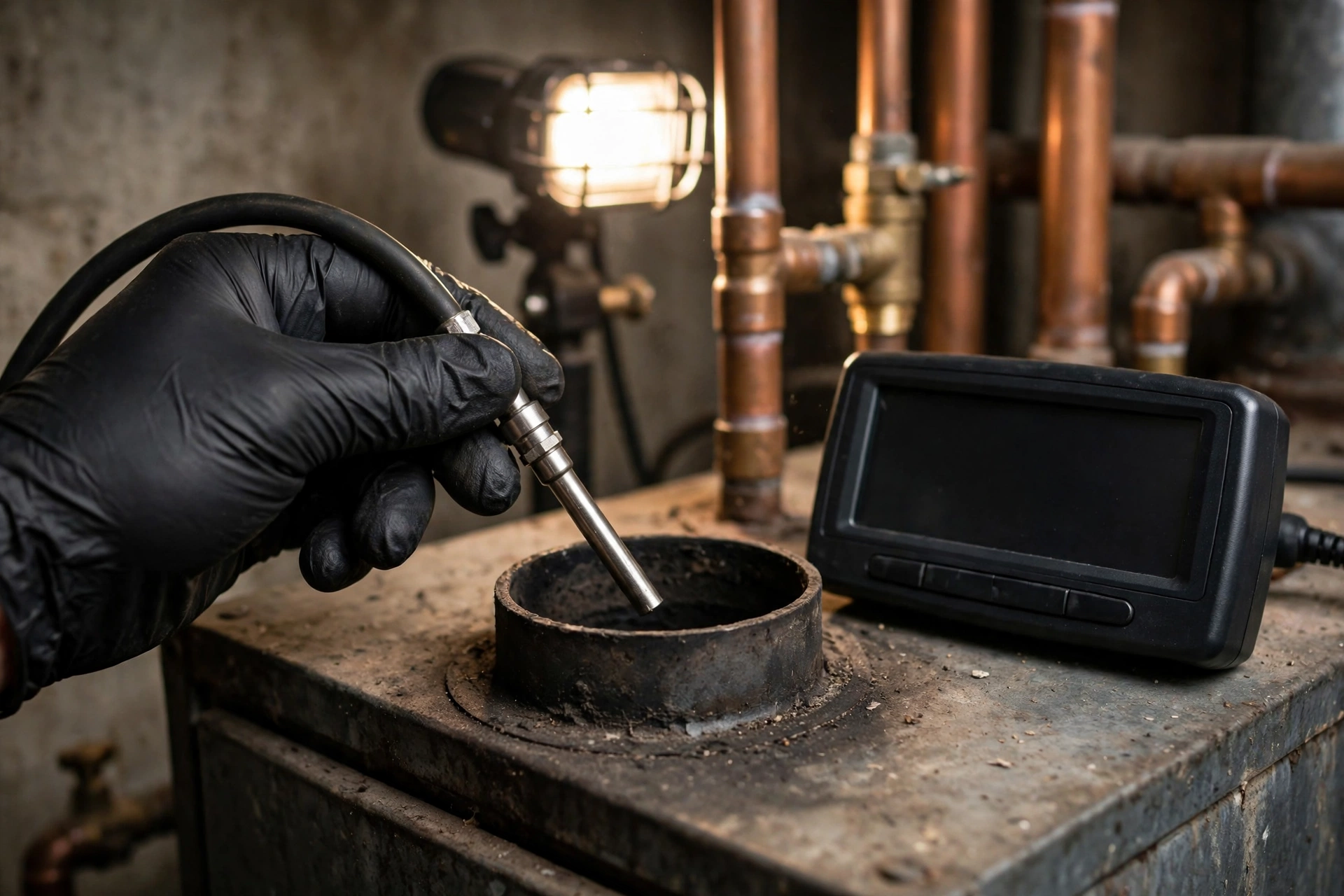
For an older furnace, the combustion reading settles the safety question. A probe at the flue, a steady-state reading, and a visual exchanger check together show whether the unit is burning clean, and that test anchors our heat exchanger service.
Neenah's paper industry past left a housing legacy that still shapes furnace work: basements built for coal storage and later converted to furnace rooms, with low ceilings, tight access, and walls that stay damp near the river. A furnace in that setting needs room to breathe and a dry condensate route, and a technician who has worked in those basements knows to check both before blaming a part.
Lakefront insulation is the other Neenah story. Older homes near the water often have less wall insulation than a modern build, so the furnace works against steady heat loss through walls and windows. Adding insulation is a homeowner decision, not a furnace repair, but knowing the cause keeps expectations honest: a perfectly repaired furnace cannot make a poorly insulated lakefront room feel like a new build.
That honesty is part of the visit. When the real fix is insulation, duct sealing, or a draft repair rather than a furnace part, we say so, because a repair that does not match the cause will disappoint no matter how well it is done.
Neenah sits where the Fox River leaves Lake Winnebago, south of Appleton, and the map below shows the city we serve.
Island homes face lake wind on more sides, and a thermostat in a sheltered hallway cannot sense a cold river-facing bedroom. Draft sealing, duct balance, and a remote sensor near the cold rooms usually even things out without replacing the furnace.
Age matters most for the heat exchanger, which can crack after years of overheating from restricted airflow. We inspect and test it with a combustion analyzer and explain the result plainly, so you can decide with facts rather than worry.
Damp air does not damage a furnace directly, but it makes a cold, drafty house feel worse and condenses on cold surfaces. Steady heating cycles, a clean filter, and working airflow help keep rooms even and reduce that clammy feeling.
Those spaces often share walls and ductwork with the shop below, and a thermostat may sit far from the rooms that need heat most. We check register airflow and thermostat placement first, since both are common causes of uneven heat in mixed-use buildings.
Mild weather hides weak parts. An igniter near the end of its life, a marginal pressure switch, or a partly blocked vent can cope at 35 degrees and quit at 10 degrees. A fall inspection catches those weak parts before January exposes them.
A dusty smell on the first fall startup is common as dust burns off the heat exchanger. A sharp, persistent, or gas-like smell is different and should be checked right away, with the furnace off and windows open if you suspect gas.
Call us, name the rooms that feel worst, and we will trace the cause from there.
Call (920) 523-4330Neenah homes have character, and their furnaces need care matched to their age and setting. Call Paper City Heating for furnace help that starts with your home, not a generic checklist.
Call (920) 523-4330 Contact usLast updated: October 31, 2026