High Cliff State Park
Limestone cliffs above Lake Winnebago, with trails and a marina near Sherwood.
Furnace Repair · Appleton, Wisconsin
Call (920) 523-4330Sherwood sits on the northeast shore of Lake Winnebago, close to High Cliff State Park, and its homes range from village houses to lakeshore and wooded-lot properties with wide exposure to lake wind. That exposure is the defining heating fact in Sherwood: wind off a large frozen lake finds gaps in a home that a sheltered inland house never notices.
Call (920) 523-4330 See our services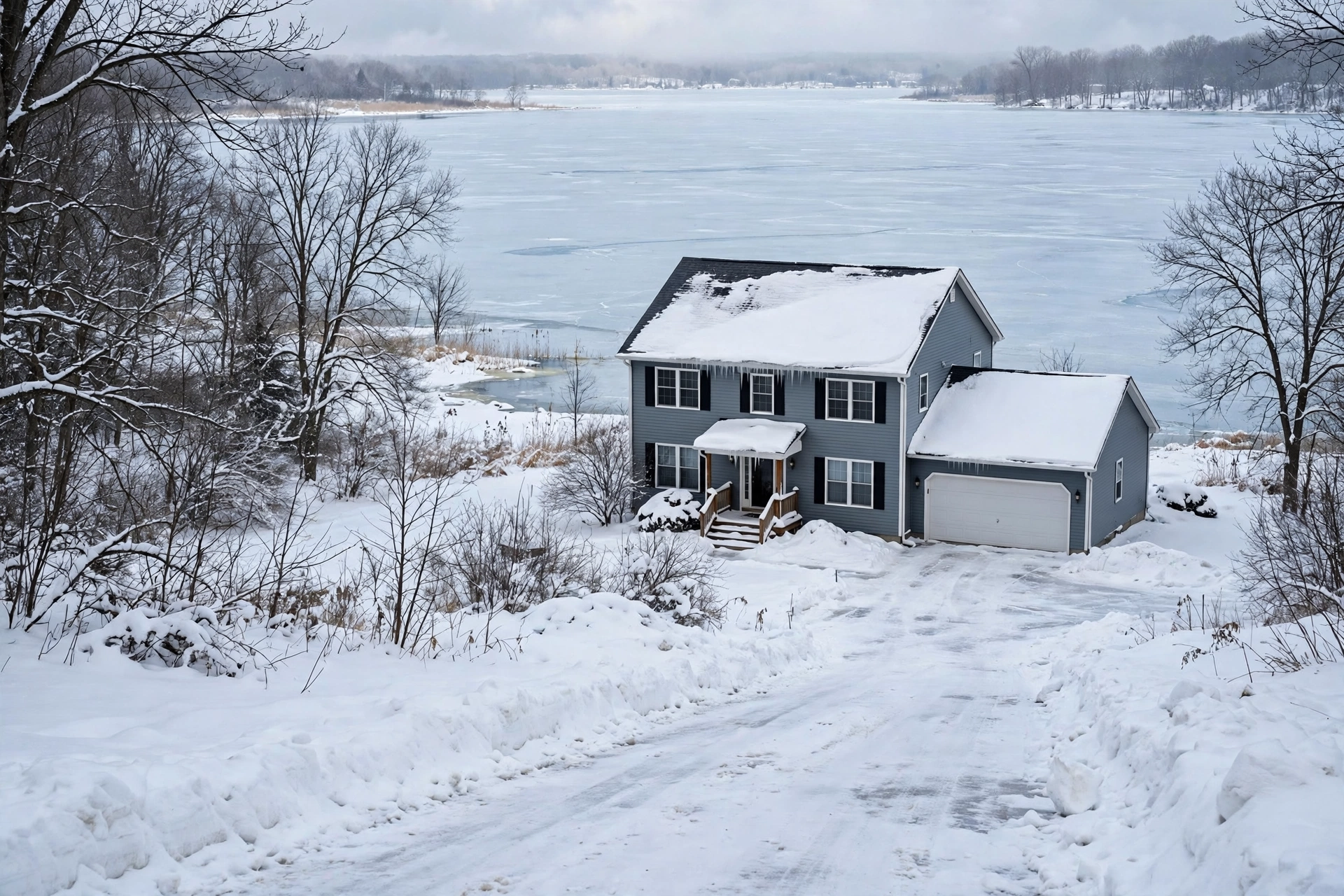
We repair furnaces throughout Sherwood. A village home with a standard gas furnace, a lakeshore home with wind on two sides, and a wooded-lot home with a longer driveway and a propane unit can share a complaint and need different first checks. Tell us your setting when you call and we will start from the right place.
Lake Winnebago is one of Wisconsin's largest inland lakes, and its wind shapes Sherwood winters. When the lake freezes, wind moves across open ice and into shoreline homes with little to stop it. A furnace then cycles more often, wearing igniters and motors, while far rooms stay cold despite a warm thermostat reading.
Safety deserves emphasis in Sherwood's sealed winter homes. A furnace with a cracked heat exchanger or a blocked vent can allow combustion gases indoors, and a working carbon monoxide detector is the household safeguard that catches trouble early. We check heat exchanger condition and venting on older furnaces, and we urge every homeowner to test detectors monthly through heating season.
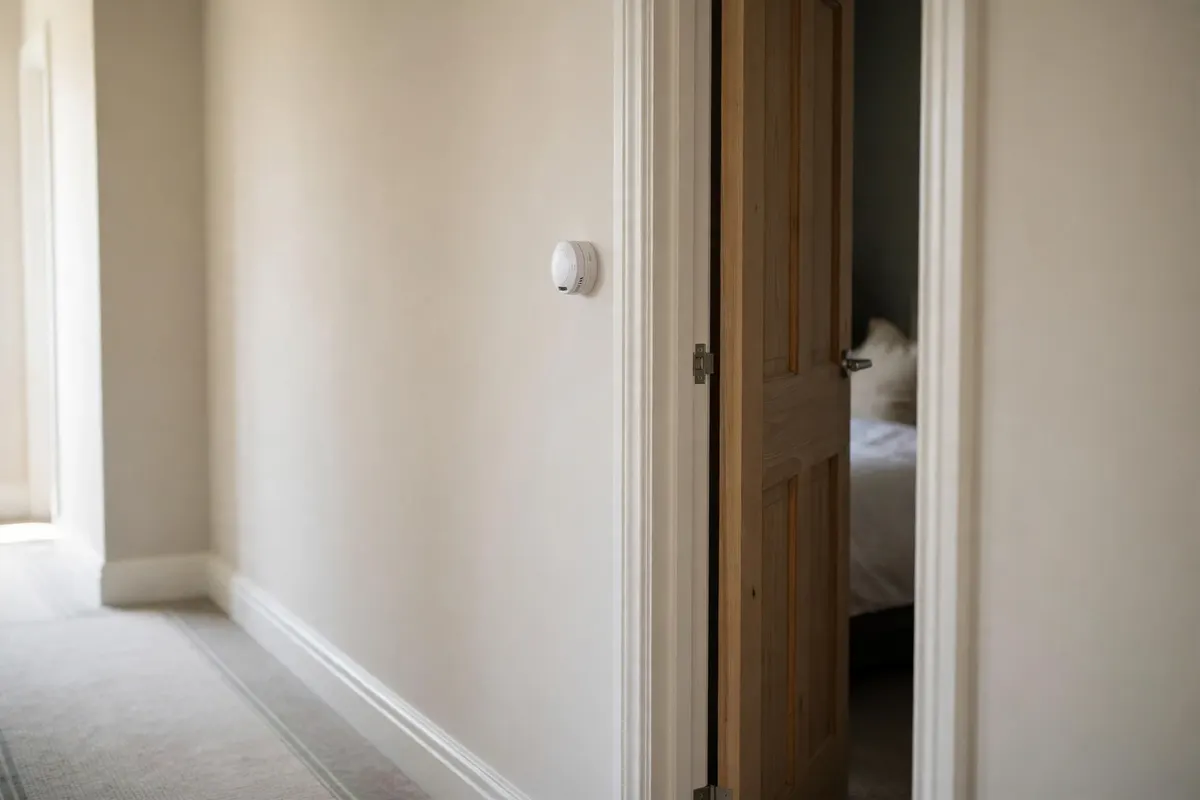
Detector placement matters: one on each level, near sleeping areas, and away from the furnace room itself, where a brief puff on startup could cause nuisance alarms. A detector that alarms should be treated seriously, with the home ventilated and the furnace checked before it runs again.
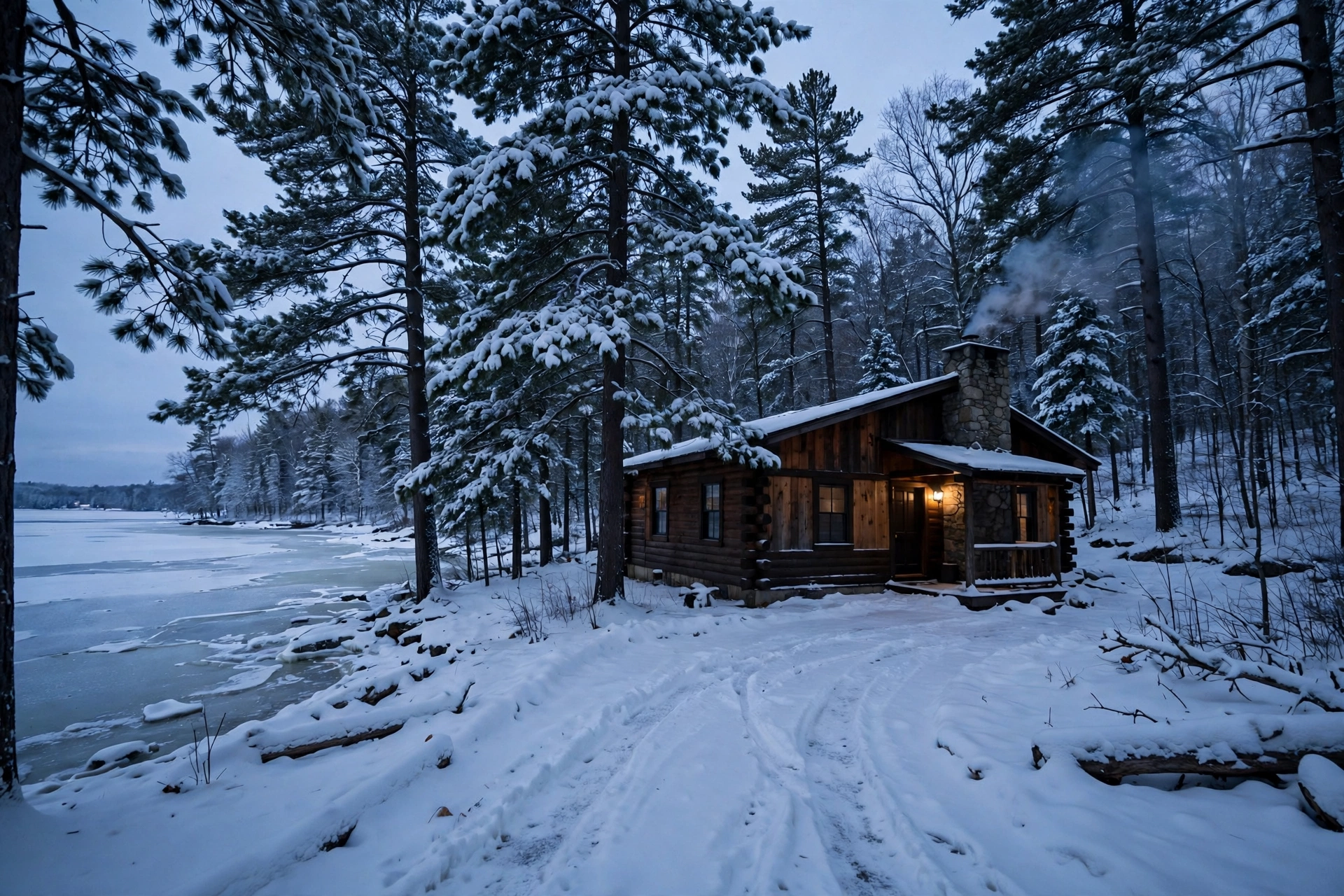
Wooded-lot and shoreline homes in Sherwood heat against lake wind and tree shade that keeps snow on the roof long after a thaw. Our maintenance and safety inspection checks vents, drains, and detectors with that exposure in mind, especially for seasonal homes reopened for winter.
High Cliff State Park, just south of Sherwood, is the area's best-known landmark, with limestone cliffs above Lake Winnebago, trails, and a marina that draws visitors all year. The park's cliffs and shoreline shape both recreation and the wind patterns that Sherwood homes feel in winter.
For hospital directions, ThedaCare facilities in Appleton and Neenah serve Sherwood families, both a drive west along the lake corridor. Harrison sits just north of Sherwood along the lakeshore, another orientation point for visitors.
Limestone cliffs above Lake Winnebago, with trails and a marina near Sherwood.
The lake edge that shapes Sherwood recreation, wind, and winter heating.
Village streets and shops at the center of town life.
Sealed winter homes and lake dampness make detector placement a safety decision, not an afterthought. Our sealed winter home safety guide covers it room by room, and Hortonville lake homes face the same shoreline winter. Questions about a visit start at our contact page.
Sherwood sits on the east shore of Lake Winnebago in Calumet County, and the map below shows the village we serve.
Fall is the season for Sherwood furnace care, before lake wind and January cold arrive. A tune-up in October checks the igniter, flame sensor, heat exchanger, and venting, the parts winter exposes first. Winter itself is the season for clearing vents after snowstorms and testing carbon monoxide detectors monthly.
Spring brings a quieter check: filters, blower wheels, and duct joints after months of steady running, plus a look at lake-facing drafts before the next winter. That spring routine keeps a Sherwood home from starting the next heating season with a worn part nobody noticed.
| Season | Sherwood check | Why it matters |
|---|---|---|
| Fall | Tune-up plus heat exchanger test | Winter exposes weak igniters and exchanger trouble |
| Winter | Clear vents, test detectors monthly | Lake wind buries vents; sealed homes need detectors |
| Spring | Filter, blower, draft check | Winter wear shows up once running eases |
High Cliff State Park brings visitors to the Sherwood area in every season, and some shoreline homes serve as seasonal retreats as well as year-round residences. A seasonal home's furnace needs the same reliability as a year-round home's, with the added risk that a failure during an empty stretch goes unnoticed until pipes or interiors suffer.
Shoreline winters add wind and ice to that risk. When Lake Winnebago freezes, wind moves across open ice into shoreline homes, and a furnace in an empty home must hold temperature against that wind without anyone there to notice a failure. A fall check before the empty season, plus a neighbor or caretaker who can report a problem, protects a seasonal home far better than any single repair.
Year-round Sherwood homes face the steadier version of the same wind: daily drafts, frequent cycling, and far rooms that stay cold. Draft sealing and duct balance help both kinds of homes, seasonal and year-round, because both face the same lake.
Sherwood home cold or detector alarming? Call Paper City Heating and tell us your setting. A clean filter keeps airflow steady through the coldest weeks, so checking it once a month in winter is a habit worth keeping.
Call (920) 523-4330Sherwood village homes sit on compact streets with a mix of older and newer construction, many with basement gas furnaces. Lakeshore homes near Lake Winnebago face wind off the water, which drives drafts and makes far rooms colder than the thermostat hallway. Wooded-lot homes on the village edges combine wind exposure with longer driveways and, in some cases, propane heat.
That mix means Sherwood furnace work starts with setting, not with a script. A lakeshore home with cold far rooms usually needs draft sealing and duct balance before any equipment talk. A village home with a furnace that quits on a cold morning usually needs ignition and sensor checks first. A propane home needs fuel supply confirmed before parts are tested.
Homes on village streets, mixing older and newer construction with basement furnaces.
Homes along the lake edge, where wind off the water makes far rooms colder in winter.
Homes on wooded lots around the village, some heated by propane.
Sherwood ZIP code is 54169. Tell us Sherwood by name when you call, since lakeshore addresses can list neighboring towns in mailing details.
Shoreline systems use PVC venting that frosts, copper and black iron fuel lines, galvanized steel ducts, and fiberglass insulation that damp air can compress. We test draft, flame, and controls with a manometer, a combustion analyzer, and a multimeter, and all gas and venting work follows the furnace manufacturer's instructions and local building code.
Sherwood calls usually involve a furnace that will not start, a lakeshore home that heats unevenly, or a safety question about an older furnace. The pages below explain each kind of job.
Heat exchanger inspection for older furnaces, where a crack is a safety matter, not just a comfort matter.
Gas furnace diagnosis for ignition, flame sensing, and venting lockouts in cold weather.
Remote sensors and zone controls that even out lakeshore bedrooms colder than the thermostat hallway.
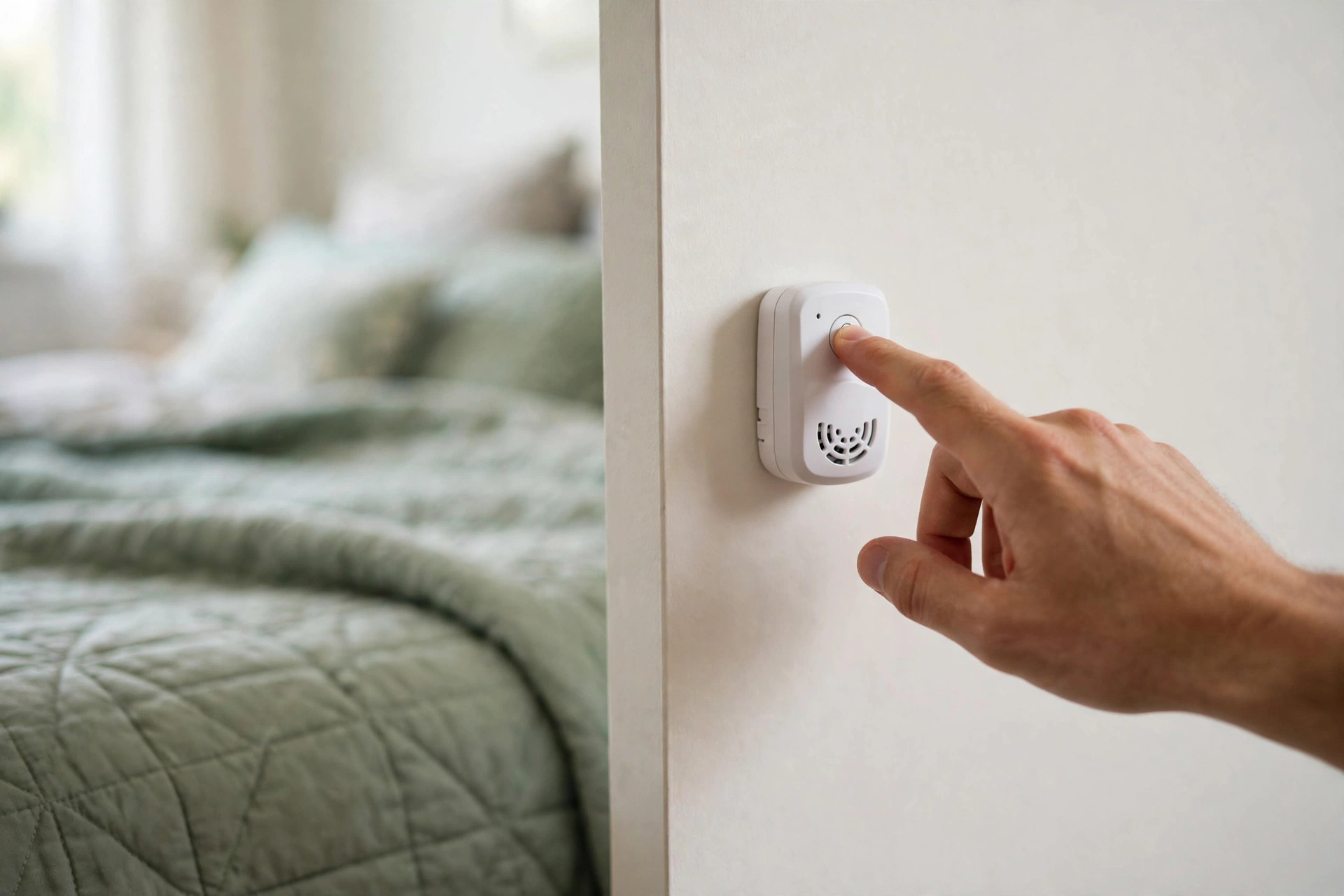
Pressing the test button is a monthly habit worth keeping, but a detector past its working life will not protect anyone however often it is pressed. Checking the manufacture date and placement is part of every gas furnace visit in homes with sleeping rooms above or beside the furnace.
Lake wind reaches lakeshore homes from more sides, and a thermostat in a sheltered hallway cannot sense a cold lake-facing bedroom. Draft sealing, duct balance, and a remote sensor near the cold rooms usually even things out.
High Cliff State Park is a state park just south of Sherwood, known for limestone cliffs above Lake Winnebago, trails, and a marina. It is the landmark most visitors name first when describing the Sherwood area.
Yes, test it monthly through heating season, and replace batteries as the maker directs. A detector near sleeping areas is the safeguard that catches furnace venting or heat exchanger trouble early.
Wind does not damage the furnace itself, but it makes the furnace cycle more often to hold temperature, which wears igniters and motors faster. Draft sealing reduces cycling and keeps rooms warmer.
Yes. Some wooded-lot and lakeshore-edge homes heat with propane, and we check fuel supply, regulator condition, and burner adjustment alongside the usual ignition checks.
A dusty smell on the first fall startup is common as dust burns off. A sharp, persistent, or gas-like smell is different and should be checked right away, with the furnace off if you suspect gas.
Call us, name your setting, and tell us the symptom. We will start from there.
Call (920) 523-4330Sherwood furnaces face lake wind and long winters, from the village to the shoreline. Call Paper City Heating for help matched to your home.
Call (920) 523-4330 Contact usLast updated: October 31, 2026