Combined Locks on the Fox River
The village's namesake locks, a working piece of Fox River history.
Furnace Repair · Appleton, Wisconsin
Call (920) 523-4330Combined Locks is a small Fox River village named for the combined locks that once moved boats past the river's rapids, and its paper mill heritage still shapes the town. Village homes range from compact mill-era houses near the river to newer homes on the village edges, and their furnaces range just as widely.
Call (920) 523-4330 See our services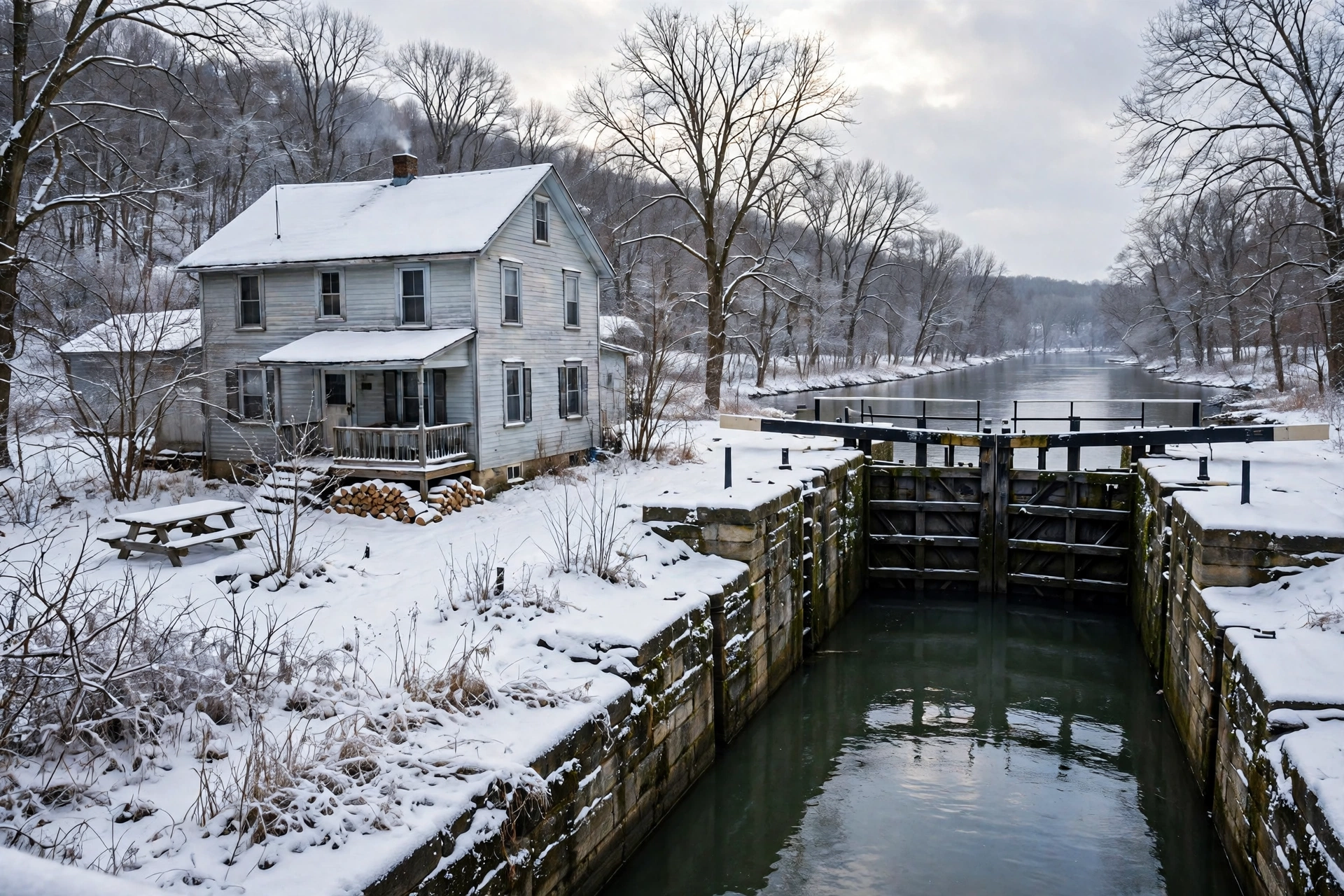
We repair furnaces throughout Combined Locks. Mill-era homes with basement furnaces and staged ductwork need a different first check than newer homes with condensing units, so we start with your home's age and furnace type, then work toward the fault behind your symptom.
River dampness is the quiet factor in Combined Locks heating. Damp air makes a cold house feel colder, condenses on cold windows in a sealed winter home, and corrodes furnace parts in damp basements over years. A furnace that runs in steady cycles with clean airflow evens out temperature and humidity better than one that short cycles.
Winter cold adds the usual Fox Valley strain: January lows in the teens, wind off the river, and snow that drifts against low vent pipes. A condensing furnace with a buried vent locks out for safety, and an older furnace with a weak igniter quits on the coldest morning. Both patterns are preventable with a fall tune-up and a vent check after storms.
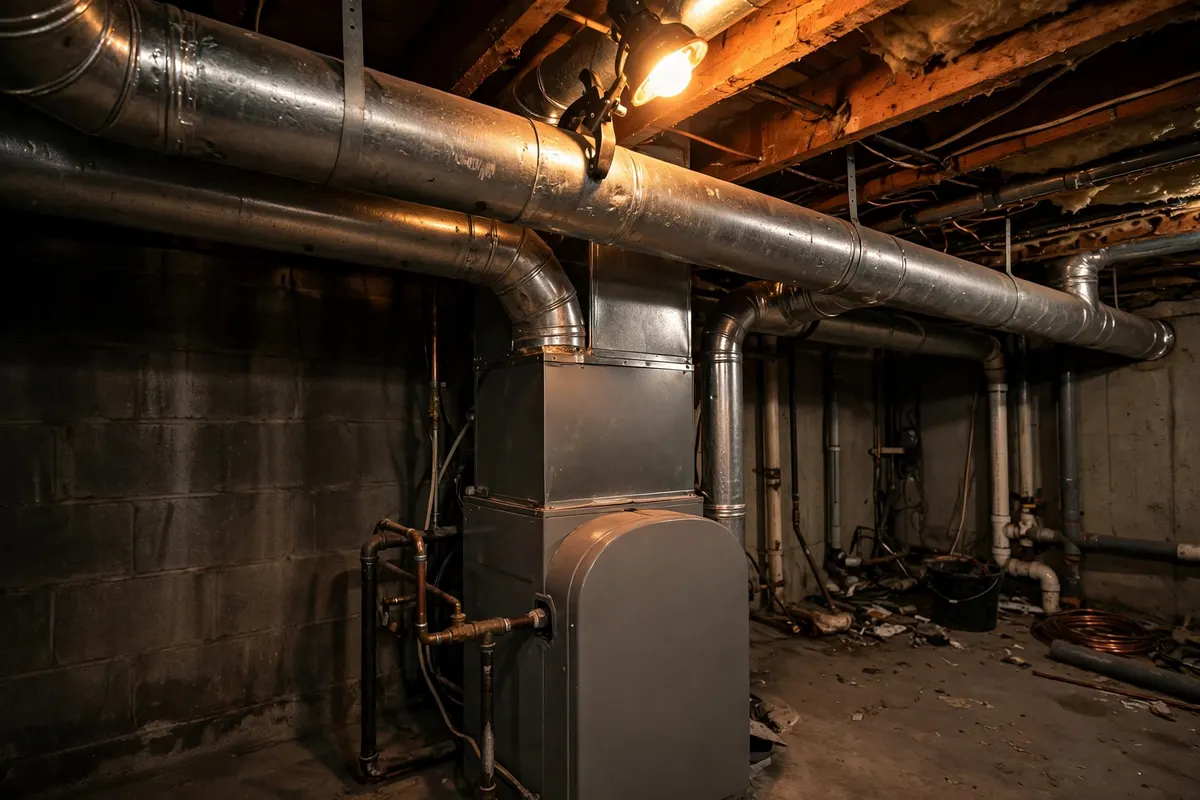
Ductwork in mill-era homes deserves special attention. Ducts added room by room over decades leak air into basements and wall cavities, so far rooms stay cold while the furnace runs longer. Sealing and balancing those runs often improves comfort more than any equipment change.
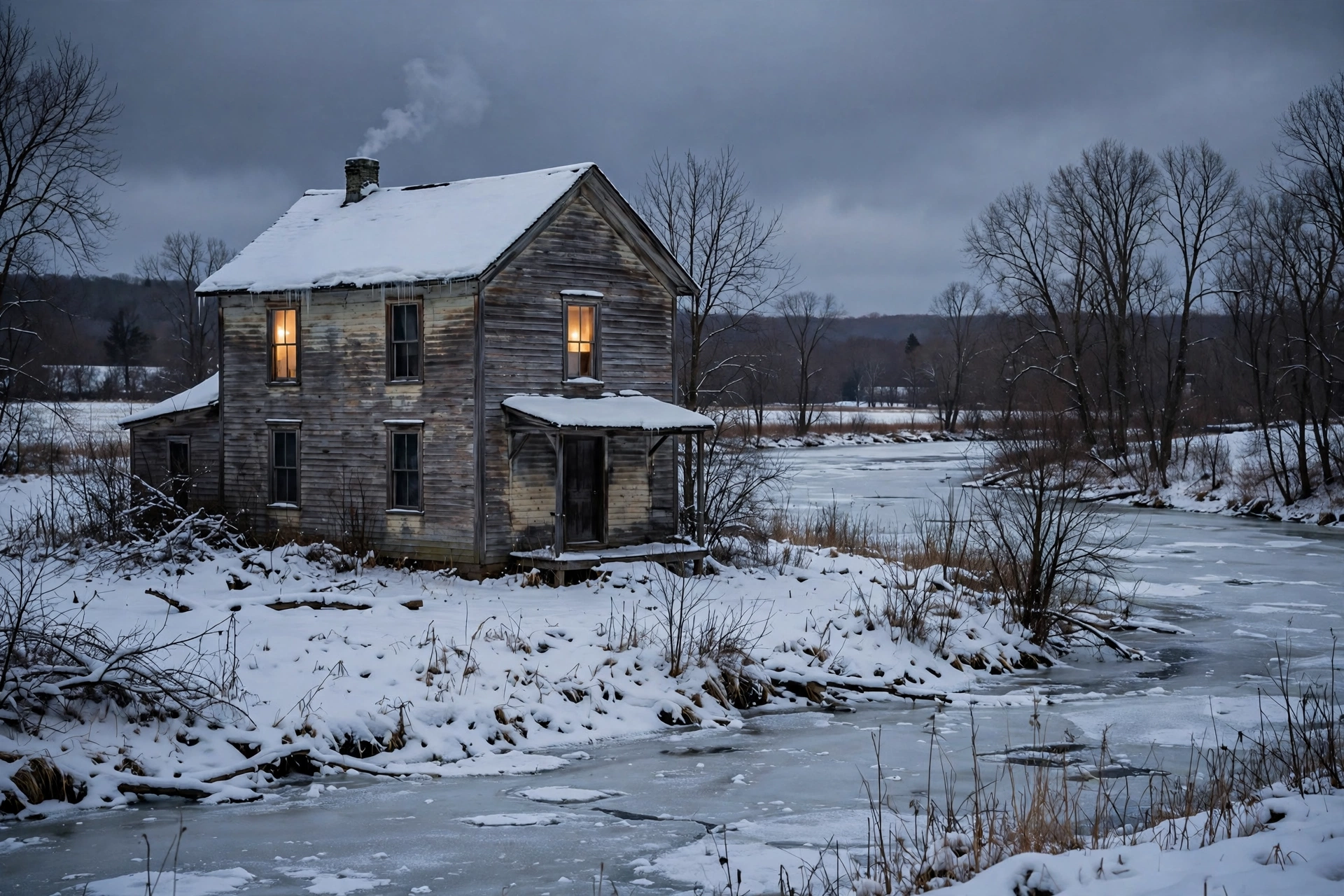
River village homes carry their mill-era bones into every heating season: low basements, ductwork added in stages, and rooms that heat unevenly. That history is why our ductwork and airflow service checks register by register instead of guessing at furnace size.
The combined locks on the Fox River are the village's namesake landmark, a piece of river history that residents still point to when describing the town. The paper mill along the river shaped village life for generations, and the Fox River itself runs through daily life here, from recreation to winter wind patterns.
For hospital directions, ThedaCare facilities in Appleton serve Combined Locks families, a short drive west along the river corridor. Kaukauna sits just downstream, and its locks and river parks sit minutes away for village residents.
The village's namesake locks, a working piece of Fox River history.
The mill site that shaped village housing and daily life for generations.
The river edge that shapes recreation, dampness, and winter wind in the village.
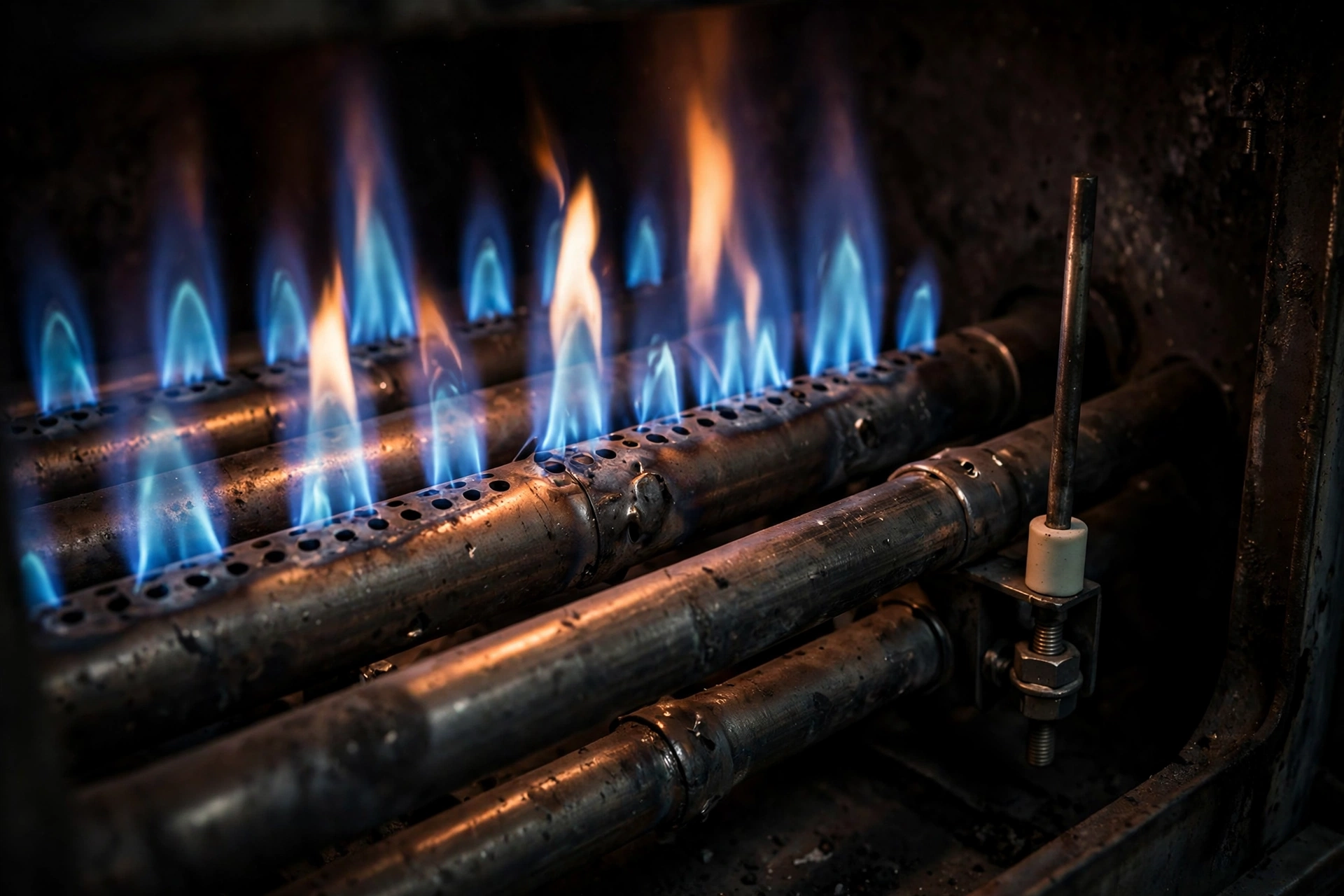
A steady blue flame tells its own story. Yellow tipping, lifting, or a flame that drops out points to a dirty burner, a coated flame sensor, or a venting fault, and the gas furnace diagnosis reads flame, pressure, and draft together rather than swapping parts at random.
Combined Locks mill-era homes sit close to the river, built compact for mill families, with basements that later held furnaces. Those basements can run damp, and damp basements corrode furnace parts over time while condensate drains need a clear, dry route. We check drain routes and control condition closely on visits to older village homes. The meter case comes out early on those visits: a combustion analyzer reading and a manometer check on vent pressure tell us whether the damp basement air has been masking a venting problem.
Newer homes on the village edges bring condensing furnaces with outdoor venting, where winter weak points are frosted intake pipes and frozen condensate drains. The village's small size helps on no-heat nights: most addresses sit within a short drive, and neighbors often share the same furnace setups, so a pattern on one street can point to the fault on another.
Compact mill-era homes near the Fox River, many with basement furnaces.
Older homes shaped by the village's paper industry past.
Newer houses with condensing furnaces and modern ductwork.
Combined Locks ZIP code is 54113. Tell us Combined Locks by name when you call, since nearby villages share similar river street names.
Combined Locks furnace down or rooms uneven? Call Paper City Heating and tell us your home's age.
Call (920) 523-4330A simple winter routine covers most Combined Locks furnace trouble: a fall tune-up in October, a vent check after every snowstorm, and a monthly filter check through heating season. Those three habits catch weak igniters, buried vents, and clogged filters before they become no-heat nights.
Basement dampness deserves a fourth habit in older village homes: a quick look at the furnace area for water, rust, or a blocked condensate drain. Catching a drain problem early keeps a small fix small, instead of letting moisture damage controls over a winter.
Igniter, flame sensor, venting, and drain checked before hard cold.
Outdoor vents cleared of drifts so a condensing furnace can breathe.
Filter changed when loaded, so airflow stays strong all winter.
Mill-era ductwork is usually galvanized steel joined with screws and sealed — or not sealed — with foil tape and mastic, and a smoke pencil and an anemometer help find the leaks that starve far rooms. Repairs follow the furnace manufacturer's instructions and local building code, and where a heat exchanger shows age we test it rather than reassure you about it.
Combined Locks is small enough that most residents know their neighbors, and that scale helps furnace work: a service visit rarely involves a long search, and a pattern on one street, such as vent frost after a storm, often explains a neighbor's identical complaint the same week.
Riverfront living adds dampness to the village's heating story. Homes near the Fox River feel damp air more than inland homes, and damp basements corrode furnace parts over years. A dry furnace area, a clear condensate route, and a fall check of controls keep that slow corrosion from becoming a winter failure.
The village's mill heritage also means many homes were built for mill families on compact lots, with rooms that heat unevenly when duct runs are short and shared. A room-by-room airflow check in those compact homes usually finds the weak run faster than any guess about furnace size.
Compact lots also mean furnaces often sit close to property lines, so outdoor vent pipes and condensate drains deserve a check after storms and during deep cold. A vent blocked by snow or a drain frozen in a cold corner can shut down an otherwise healthy furnace, and both are quick fixes once found.
Village homes often need more than one kind of help: a burner fault today, duct balance next season. The heat exchanger service explains that safety check in plain words, and homes across the river in Kaukauna share the same locks-era housing patterns. The paper-mill housing story behind these homes is told in our paper-mill-era home guide.
Combined Locks calls usually involve an older furnace with wear or safety concerns, a newer furnace with venting trouble, or a home with uneven rooms from duct leaks. The pages below explain each kind of job.
Heat exchanger checks for older village furnaces, where age and airflow trouble wear that part first.
Duct sealing and balancing for mill-era homes where staged ducts leak air.
Gas furnace diagnosis for ignition, flame sensing, and venting lockouts.
Combined Locks takes its name from the river locks on the Fox, east of Appleton, and the map below shows the village we serve.
River village basements often run damp, and damp air corrodes furnace parts over years while condensate drains need a clear route. We check drain routes and control condition on visits to older homes and suggest practical steps to keep the furnace area drier.
The combined locks are a set of locks on the Fox River that once moved boats past rapids, and they gave the village its name. They sit along the river that shapes village life and winter wind patterns.
Usually the ducts are the problem, not the furnace. Staged ductwork leaks air and starves far rooms. Measuring airflow at each register finds the weak run, and sealing or balancing it often fixes the complaint.
Yes. Newer Combined Locks homes with condensing furnaces get vent, drain, and ignition checks, since those are the parts winter exposes first in modern units.
Check the thermostat setting, the furnace switch, and the filter. Note any blinking light and any sound the unit makes, then call us with those details so we can narrow the fault.
Yes. Restricted airflow overheats the heat exchanger and trips a safety switch, shutting the furnace down or making it short cycle. A fresh filter of the right size usually restores normal heat.
Call us, tell us your home's age, and describe the symptom. We will start from there.
Call (920) 523-4330Combined Locks furnaces face river dampness and long winters. Call Paper City Heating for repair work matched to your village home.
Call (920) 523-4330 Contact usLast updated: October 31, 2026